Boat Club

While we were at the chili cook-off a couple of weeks ago, one of the chefs was advertising his business as well as his chili.  He owns a boat club franchise, an unknown concept to David and me. 

When we first moved to Marble Falls we assumed we’d buy a boat.  There are four big lakes half an hour’s drive from our house.  But then we learned that we are not allowed to store a boat on our property; it’s against HOA rules, which is understandable because only hillbillies have trailers and recreational equipment scattered around their yards. 

So that would mean not only the price of the boat, but the price of its storage; then the hassle of driving a distance to hook it up and haul it out, and the added required time of bringing it home to be cleaned and stocked for an outing.  And, as we had a family boat when I was a child, I’m aware that half the time the boat’s out of commission for one reason or another.  A lot of things go wrong with a boat.  Having fun on the water every once in a while simply wasn’t enough to overcome the bother and cost.  

But we do like to bump around on the waves.  We’ve rented a time or two, which costs four hundred for a half-day.  And we’re curious how this boat club works.  So David makes an appointment with the chili/boat club guy and we set off to a marina on Lake Travis. 

“I hope this guy doesn’t do the hard sell,” I say.  Once, in Bali, an obsequious Indonesian approached David and me on the street and told us that he got paid thirty dollars for every potential customer he was able to bring in for a timeshare presentation, adding that he was trying to support a family and he badly needed the money.  My compassion, which is usually comfortably dormant, kicked in; and we accepted the bribe of a free stay in one of their resorts in return for ninety minutes of our time, which ended up being an agonizing three hours of being intensely badgered by a salesman who told us that if he couldn’t convince us to buy a timeshare he was going to get fired; and if that happened his wife was going to leave him.  When finally we were allowed our freedom we were drained and angry. 

“He seemed okay,” David tells me.  “He made good chili.”

We’re to meet him at a private yacht club, which turns out to be a grand edifice on a cliff overlooking Lake Travis.  Valet service is complimentary.  It’s a clear day, hot for March, and the view over the water is spectacular.  In order to get to the marina below, we must descend in a metal box, which squeaks, rattles, and looks rickety.

“Those are awfully small cables,” David says.  I assess the cables.  He’s right.  They’re much too puny to be trusted with our combined weight.  We watch as a few people get on down below and are slowly carried upward.  

“This is making me anxious,” I say.  The car arrives, the passengers disembark, and I bravely step on, closing my eyes so I won’t have to watch as we die. 

Bill meets us as we step from the lift.  He’s forty-ish, light brown hair, blue eyes.  I can tell by his relaxed posture that he’s not going to try to guilt us into buying what he’s selling.  A boat transfers the three of us to one of the docks.  It’s a large marina—eight extended docks, each accommodating at least forty boats.  The surface beneath our feet is unsteady as Bill leads us through the bobbing maze, pointing out the boats that belong to his fleet.  He stops at one of the pontoon boats and invites us aboard.  No office then, just a man on a boat with an iPad.

He explains the three packages: 

Most expensive—one-time joiner fee of four thousand, four hundred a month, unlimited use locally and at the other hundred and twenty locations nationwide.    

Mid-range—three thousand to join, three hundred a month, access to other locations, unlimited number of times a month, but weekdays only.   

Least expensive—he calls this one “Toe in the Water.”  Two thousand down, two hundred a month, not accepted at other locations, use limited to twice a month, and one of those times can be a weekend. 

We ask questions—what are we responsible for?  Gas.  How about insurance?  He carries the insurance.  Availability?  Always, but book two weeks ahead during holidays.  How long is the contract?  Renewable in a year.  The appeal is that we show up, we know the boat works, we get on it, and we go.  No maintenance, no storage fee, no trouble at all. 

We tell him we’ll think about it and he doesn’t apply any manipulative sales techniques like trying to hold us here, or throwing out better deals, or telling us that his wife’s going to leave him if we don’t buy into his club.  He accompanies us back to the central dock and says good-bye.  On our way to the lift, David and I take a detour through the little floating shop.  I glance at the flip-flops on display in the main aisle. 

“Those flip-flops cost a hundred and ten dollars,” I tell David. 

“Nobody wants to go on the water in the winter months.  So that’s four or five months a year we’d be paying for it when we wouldn’t be using it.”

“An ordinary pair of flip-flops, nothing special about them.” 

“But surely we could find two days a month.”

“And look.  These beach towels are seventy-five dollars a piece.”  They’re nice towels, but not seventy-five dollars worth of nice.

“When you need a towel, you need a towel.”

“We could take a boat out in the winter.  We could bundle up and we'd be the only ones on the lake.”

“This is so much cheaper than buying or renting.  And so much more convenient.”

We end up going with Toe in the Water.  Anyone want to tool around on Lake Travis with us?
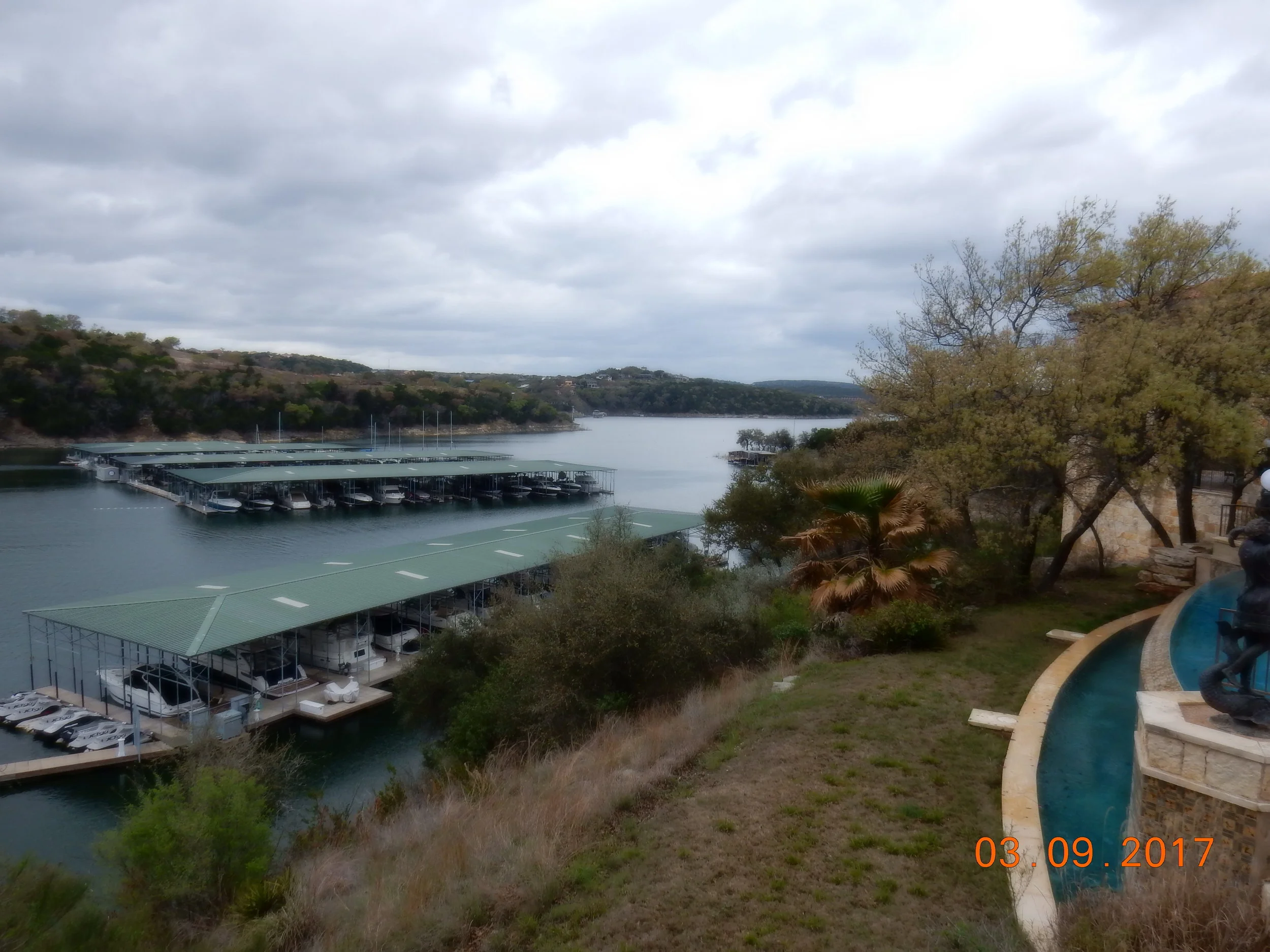
The marina from the yacht club.

The marina from the yacht club.

A tiny car carries people down from the yacht club and up from the marina.  The lower building  houses a small and ridiculously expensive shop.  
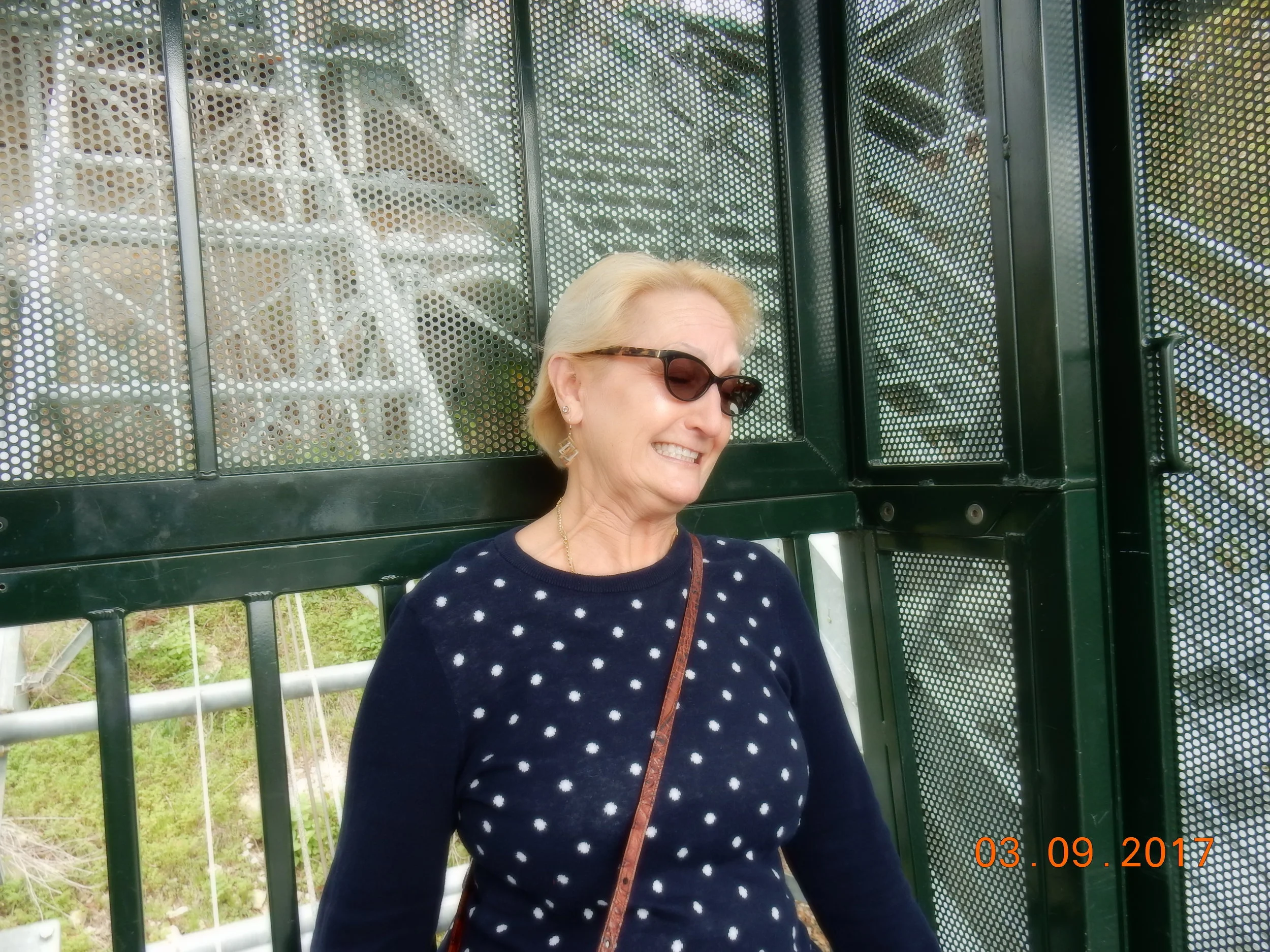
A tiny car carries people down from the yacht club and up from the marina.  The lower building  houses a small and ridiculously expensive shop.  

This is me, terrified with eyes closed as we descend.  The sweater makes me look fatter than I am--won't be wearing that again!  
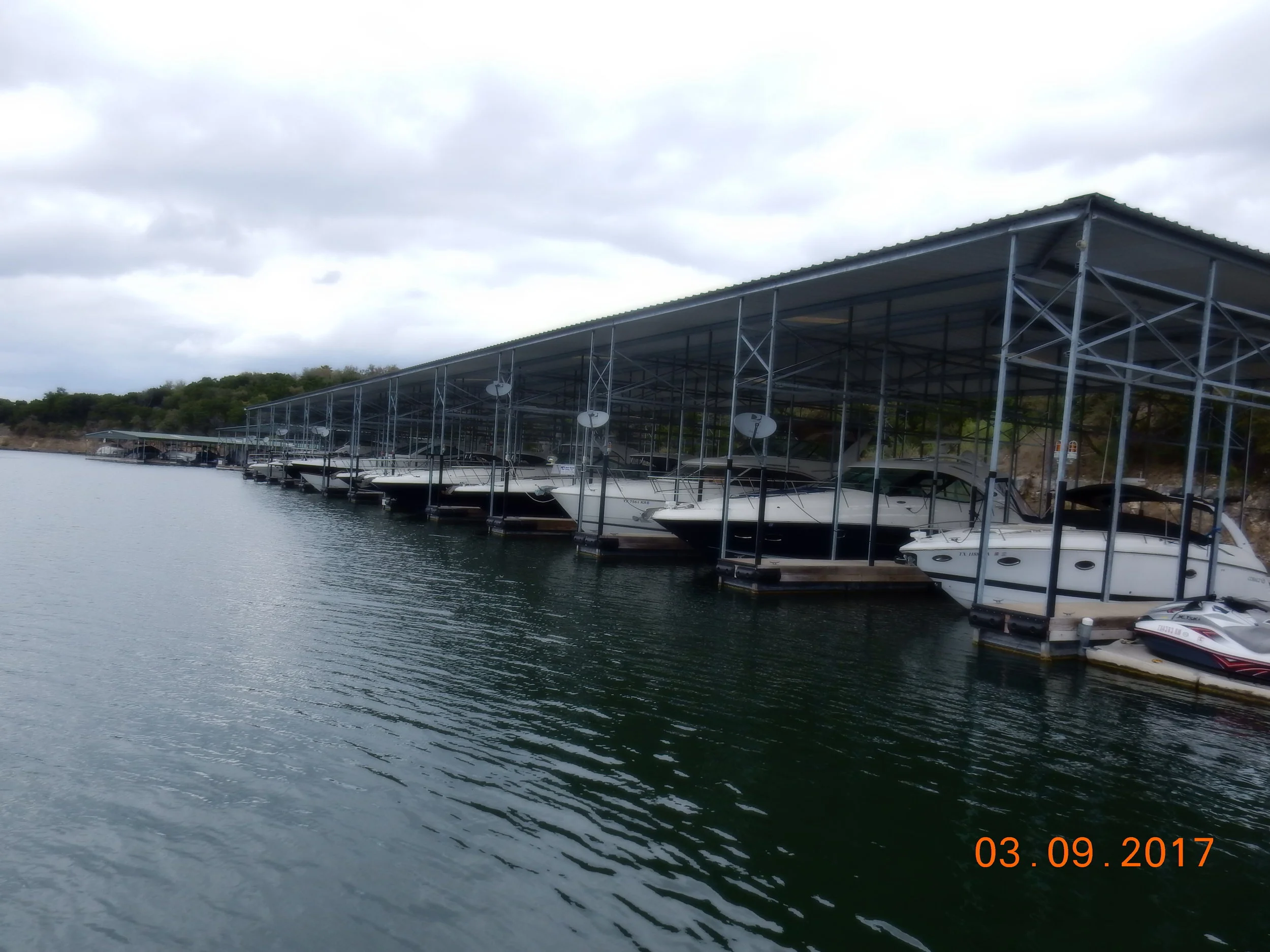
This is me, terrified with eyes closed as we descend.  The sweater makes me look fatter than I am--won't be wearing that again!  

Boats, boats, boats!
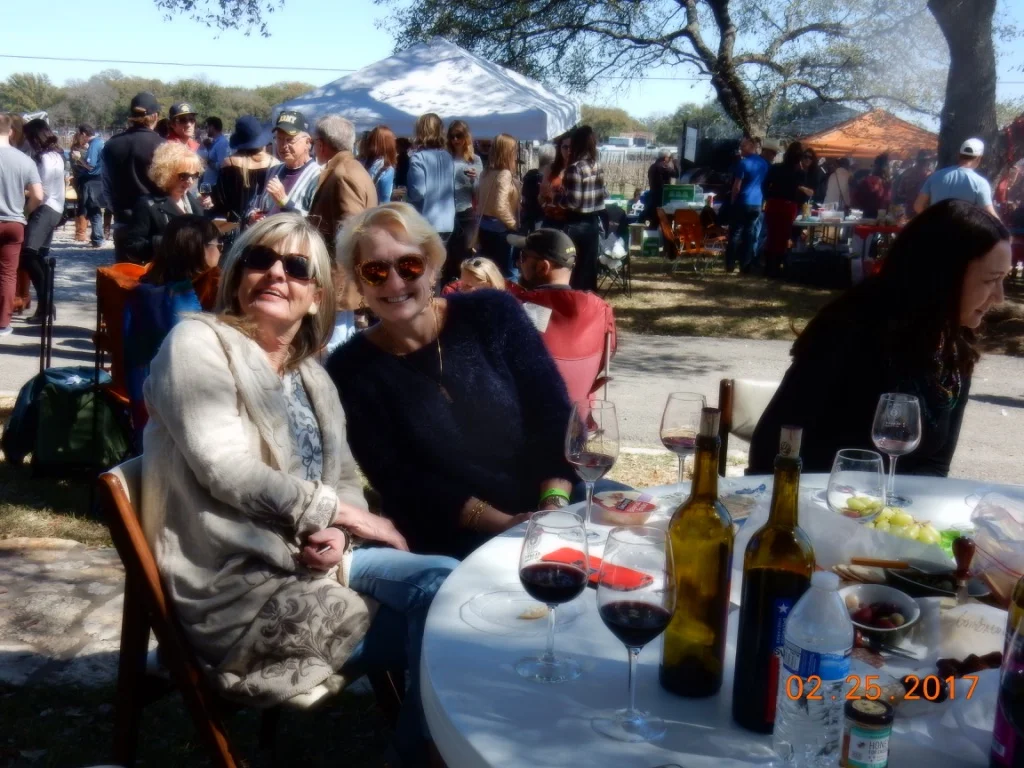
Boats, boats, boats!

Chili Cook Off

“I loved your book.”  This is from the woman who sits across from me at the chili cook-off.  I will never get used to people I don’t know knowing who I am.  I’m surprised every time someone I didn’t have to bully into it tells me they read Old Buildings in North Texas, which, by the way, is not about dilapidated structures in the panhandle, but a humorous novel combining drug rehab and urbexing.  If you haven’t read it yet, you’ll love it!

“I’m thrilled you read it,” I tell her.  “Thank you.”  I have decided this is the way I will answer compliments about my work; and I’m pleased to say I’m giving this response more and more often.  I recently did a reading for a book group of eighteen women, and all of them had read it and were enthusiastic.  Thanks, Janice, for inviting me. 

The chili competition is taking place at Spicewood Vineyards, a winery near us.  It’s an annual event drawing a huge crowd, many of which, considering the number of sleek millennials, drove out from Austin.  Our friends, Bill and Carolyn from up the street (the neighbors who still talk to David and me) came early and saved places for us at their table.  Thanks Carolyn.  And thanks, too, for reading OBiNT and recommending it to your friend. 

The area where the cook-off is being held is no more than two acres of lawn and patio.  Leaving our table, David, Diana, and I wend our way through the crowd, crossing to a square composed of awnings and tables where chili is offered in small cups.  Each cook explains what makes his or her particular chili unique and wonderful.

“Made from venison, buffalo, and bloody Mary mix,” one of them says.  I take a small bite; it’s okay.

“Made with pork, brisket, chipotle, and chocolate,” says the woman at the next table.

Some of the more outlandish ingredients are raisins, pumpkins, oysters, Triscuits.  Can such nontraditional concoctions actually be categorized as chili?  Each attendee is to vote for their favorite.  These chili chefs with their slow-cookers take the voting process much more seriously than those of us who are sampling.

“My mouth is on fire,” I tell Diana.  We’ve tasted a dozen out of twenty-two. 

“Yeah, I’ve had enough,” she says.  “I’m going to vote for that young couple in the corner.  They seem nice and their chili is normal.” 

We return to the table, where Carolyn and her friends have set out a generous spread of cheeses, grapes, crackers, and dips.  There are six bottles of wine on the table.  Several hundred chili buffs mingle in front of us, a gift for people-watchers.  The wine goes around the table.  Glasses fill up and are emptied.  David goes off and returns with more. 

“It’s unusual that, in a group this size, I don’t see one obese person,” I tell David.

He scans the crowd, anxious to find an overweight person to contradict my observation.  He can be contrary.  But everyone circulating before us is trim, lustrous, and inexplicably taller than average.  We are surrounded by stunning people.  They’re decked out in fringes, feathers, man buns, high-heeled boots, broad-brimmed hats, unexpected zipper placements.  More like costumes than clothes. 

The band is high quality, and when we hear the opening notes of the Star-Spangled Banner, we all stand.  The vocalist does an excellent job—the national anthem can be tricky; and just as the last note is dying away, three WWII fighter planes buzz overhead.  Impressive timing. 

“That gave me chills,” the woman behind me says. 

It’s at this point I notice that in this group of over five hundred people, not only is everyone exaggeratedly fit and gorgeous, they’re also exaggeratedly white.  Have we inadvertently stumbled into a Klan party?  Much has been said lately about the partitions between cultures and I wonder how a partition was erected here, today.  The publicity regarding this event reached everyone in all the nearby towns; also, obviously, Austin.  Was there some sort of coded message telling brown people to stay away?

This lack of diversity makes me grumpy.  If this massive party had taken place in Houston, every race, religion, and orientation would’ve been represented. 

“Ready to go?” David asks.  Diana and I gather our purses and wraps. 

We make it home around five, my favorite time to pour Zin and watch TV. 


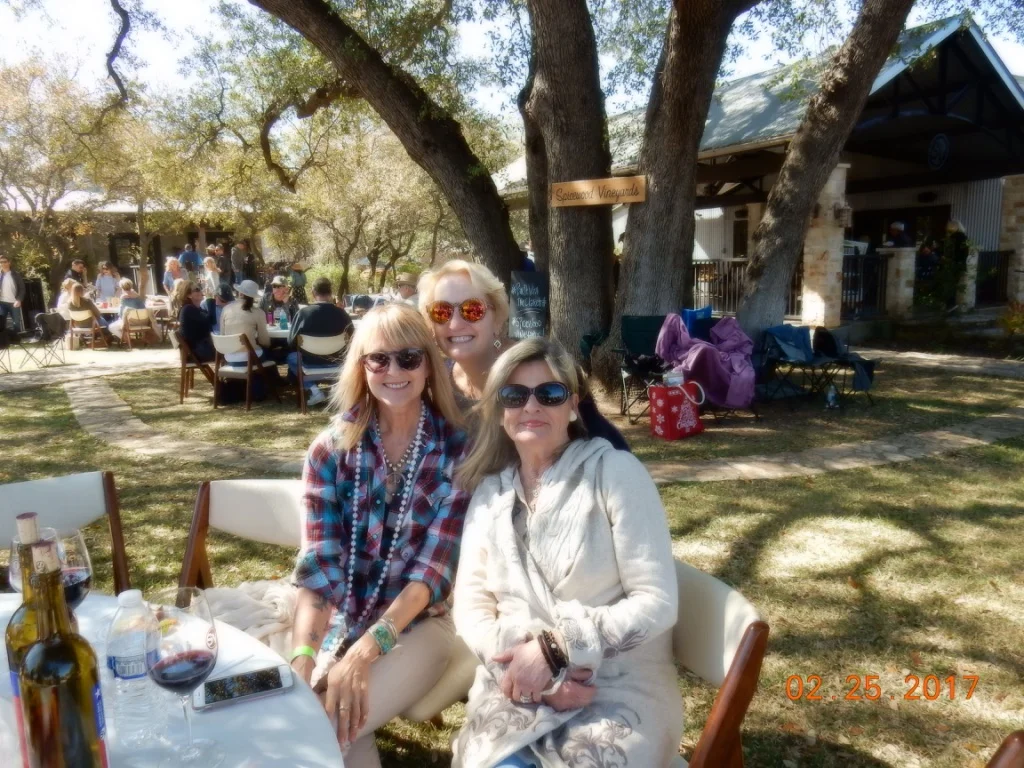
Carolyn and me.  Diana, on my other side, has been talking for a long time to a woman she just met.  She gets along well with everyone.  My sunglasses were given to me by my son, Sam, whose company, Mantra, manufactures and sells them…

Carolyn and me.  Diana, on my other side, has been talking for a long time to a woman she just met.  She gets along well with everyone.  My sunglasses were given to me by my son, Sam, whose company, Mantra, manufactures and sells them in Beijing.  For each pair sold, a portion goes to help a poor rural Chinese child get eye exams and eye care.  

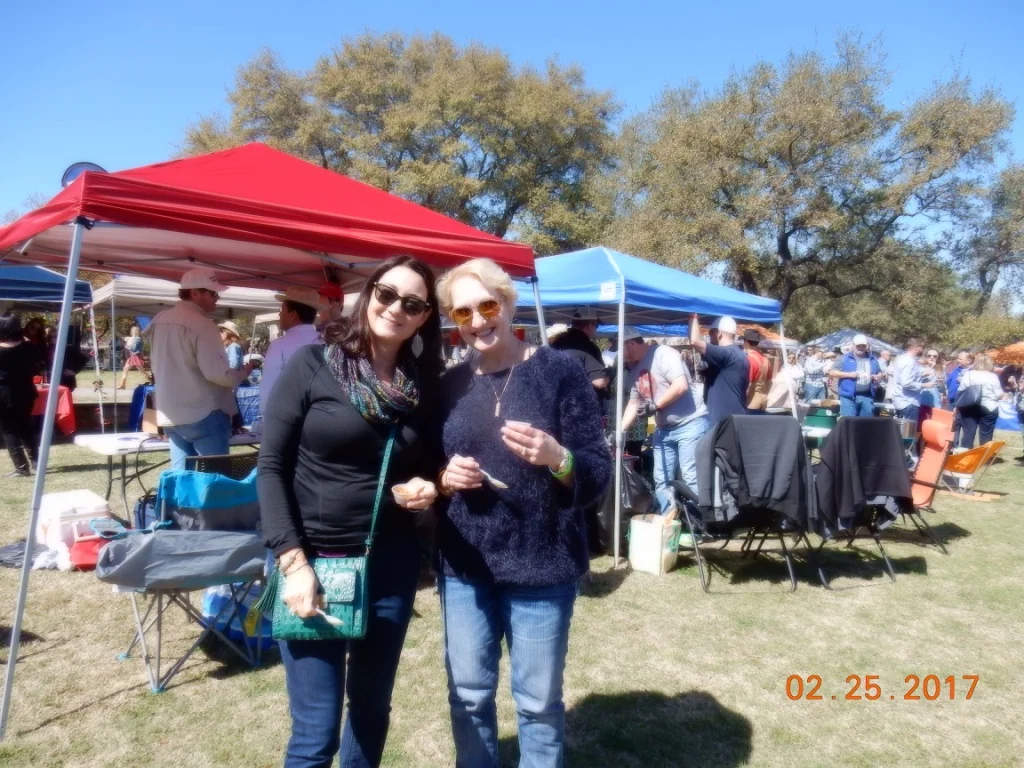
Me, with two people who liked Old Buildings in North Texas.  I have two fans!  Yay!

Me, with two people who liked Old Buildings in North Texas.  I have two fans!  Yay!

Diana and me.  We've been friends since high school.  

Diana and me.  We've been friends since high school.  


Elusive Inspiration

I’m in Houston visiting my sister.  Last year was hard on her, in that both our mother and her boyfriend died.  While her depression isn’t mine, it does set the tone.  Her house is dark and her cats are old and her days hold no adventure. 

So, to lift my spirits, I set out on the walking path, planning thirty-five minutes in each direction.  Usually, on these walks, I have plots to ponder or imaginary conversations to keep me mentally occupied.  But today I’m flat, worn down by my baby sister’s pain.  Also, the novel I’m working on is becoming more and more unruly by the day; and I really miss the writers’ group in Singapore, where we read each other’s work and offered suggestions. 

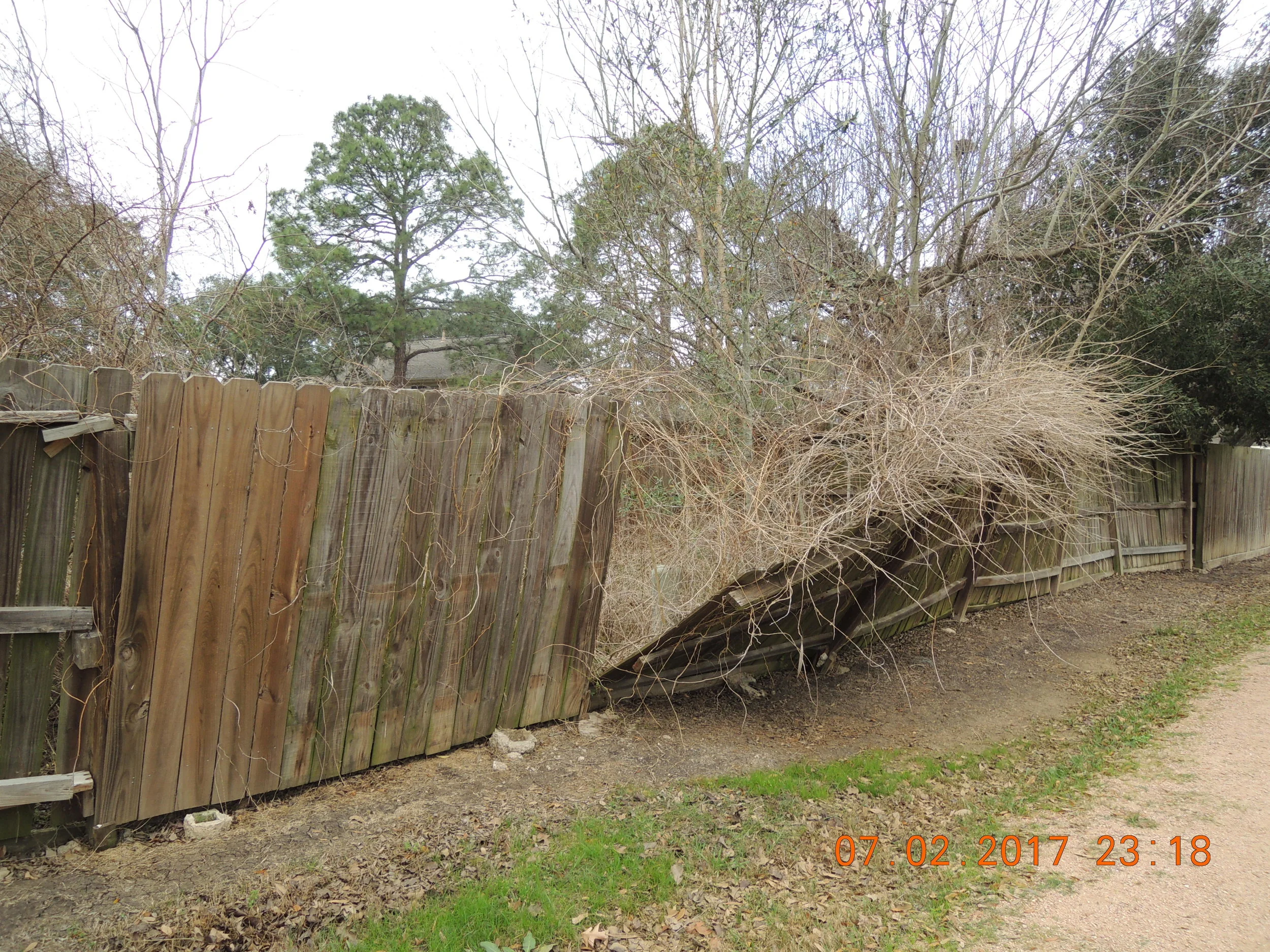
Because of my dull mindset, all I notice is what is wrong in front of me.  For instance, this is usually a lovely walkway, but somehow it has become littered with white plastic bags and bits of tissue.  Furthermore, the fences that border the trail are in horrendous disrepair.  Come on, people, this is a nice part of town.  Maintain!  And why is it eighty degrees and muggy in February? 

My current authorial project is an experiment, a spinoff from the Fran Furlow novels.  That the theme (control, or lack thereof) is obvious doesn’t disturb me; what’s bothering me is that I’m not having fun with it—and that I cannot blame on my hapless sibling’s state of mind.  The absence of humor is all on me.  Or maybe I’m too close to it.  It’s hard to see the sparkle in something you’ve read a thousand times. 

Stampede Day is about Karen Parsons, a compulsive shoplifter, who is assigned community service in place of jail time.  The service she is to perform is to organize the city’s annual reenactment of a cattle mishap that happened eighty years before.  But because I found this event, the focal point of the book, not terribly interesting, I started throwing random snags at Karen:  her grandmother dies, leaving half the family business to a schizophrenic uncle; her mother has become agoraphobic; her best friend gets the whole town riled about how nepotism played a part in her receiving a light sentence when anyone else would have gone to prison; and her boyfriend, concerned about her lack of impulse control, gives her a service dog that howls like it’s dying every time she steals something. 

An elderly couple walks toward me.  The man, overweight and slumped, moves slowly and relies on a cane.  His white-haired wife is tiny, and the timid way she places her feet tells me that she hurts with every step she takes.  But they’re getting it done, they’re out in the world, living.  I want to drag them back to my sister.  I would present them to her and say, “See, even these almost dead people get out of their house now and then.”

The issue with Stampede Day is that, at this point, it’s seventy-one thousand words, and that’s a lot of words, especially considering that very few of them work to move the plot along.  My novel that will soon be published, Why Stuff Matters, is a tight and trim fifty-nine thousand, five.  My fear is that Stampede Day will go on and on, forever unending, with my ill-fated main character eternally striving, but never achieving. 

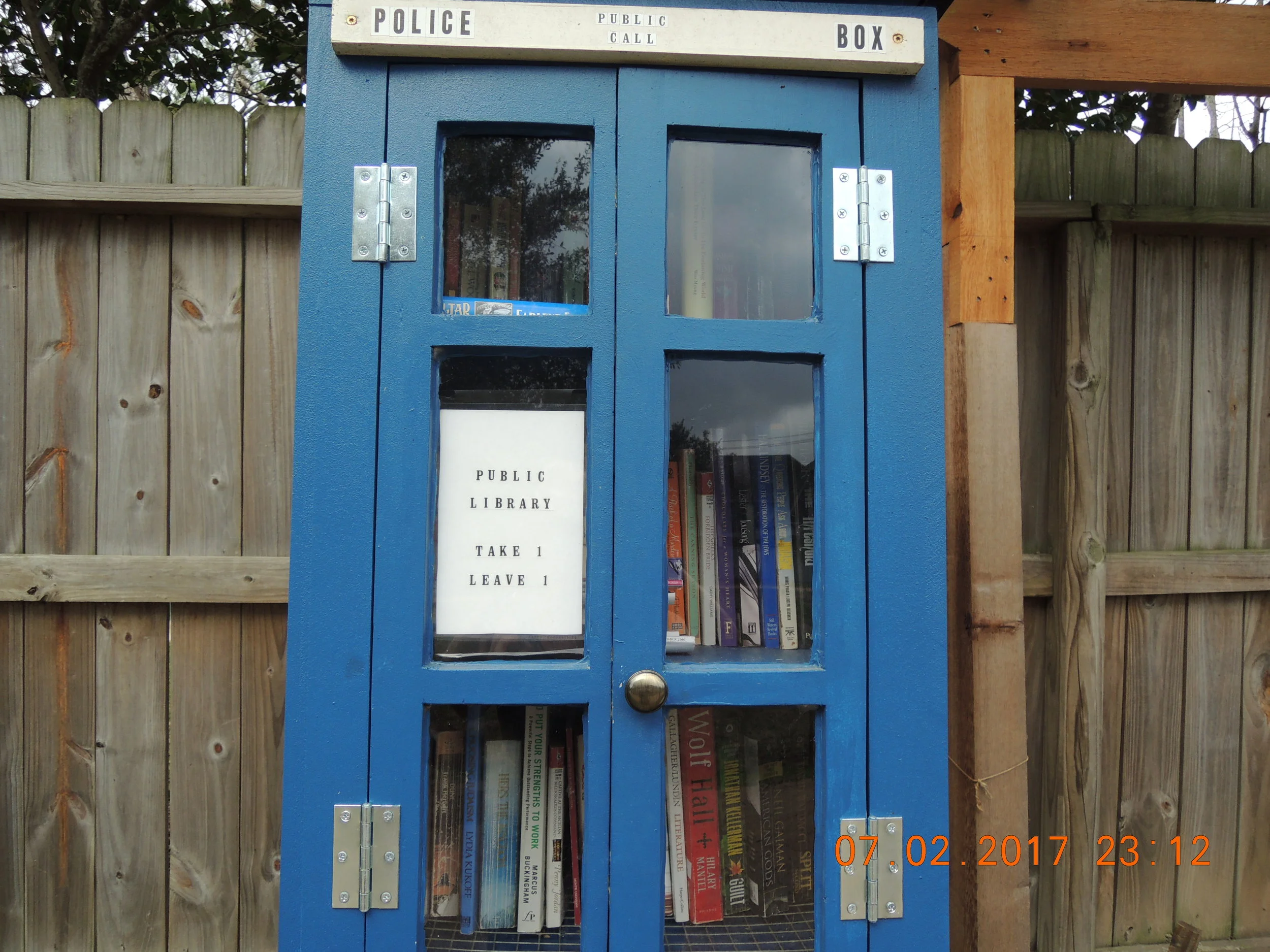
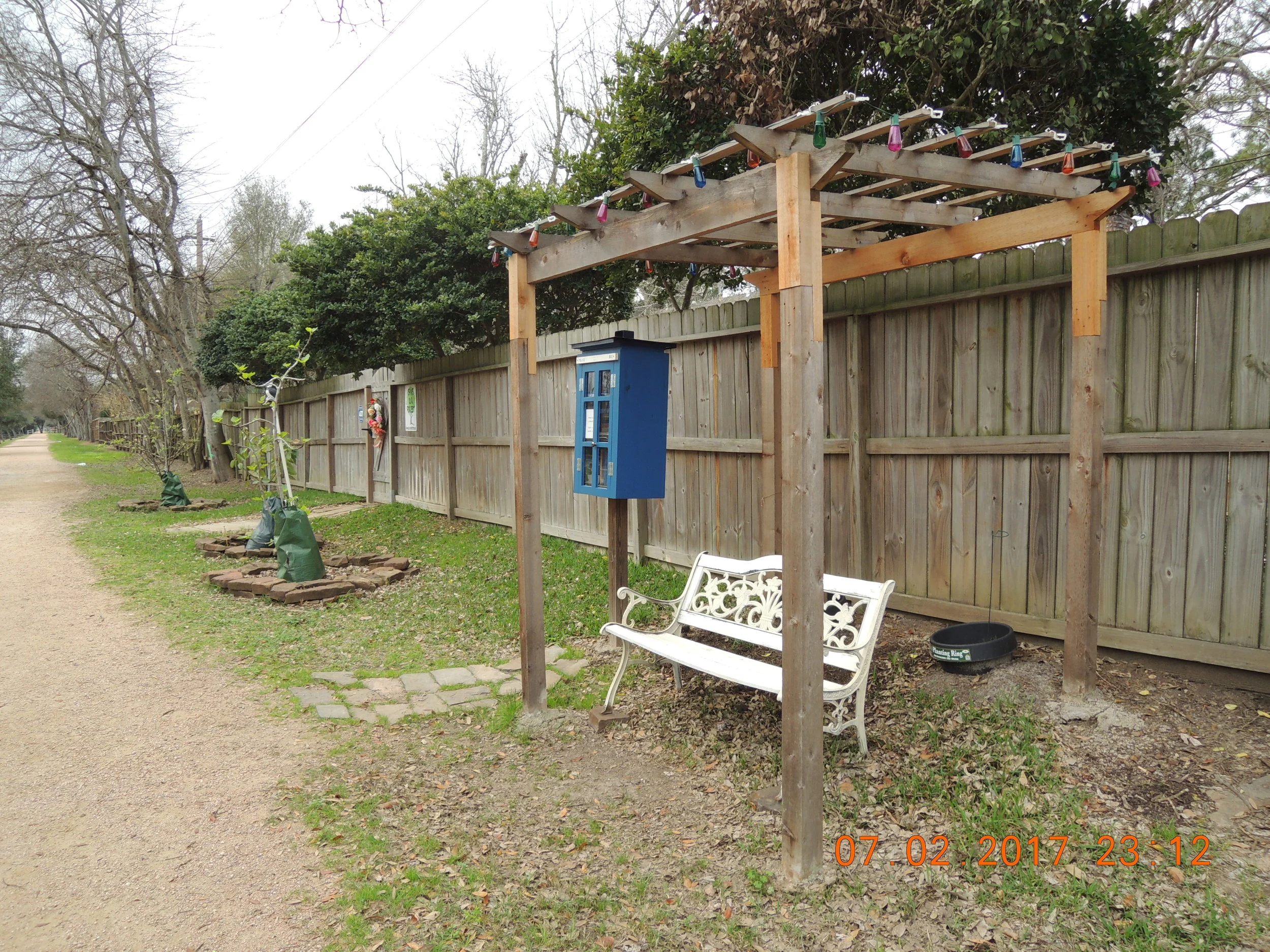
Oh, I’ve come upon something unusual.  Most people whose homes back up to the hiking trail don’t fix up the area beyond their fence, but these people have set up an inviting bench beneath a trellis.  Construction was involved.  A blue glass-fronted cupboard next to the bench draws my attention, so I step close to have a look—hey, this is a wonderful notion!  It’s a library.  How civic-minded.  The unexpected appearance of books causes me to consider all the books I’ve read, and how every one of them has influenced me in some way, even the predictable romances and the poorly written thrillers (one of which I’m reading now; too many details, too many extraneous words; the author badly needs my guidance in editing).  Behind the glass Wolf Hall catches my eye.  It’s one of my favorite books—Thomas Cromwell was one shrewd and spidery badass.  I’m always surprised when I come across someone who hasn’t read it—I think, how could you not have read this?  It’s mind-blowing! 

A man and his small dog come toward me.  I miss my dog, but I’m not ready to get another one.  For one thing, it’s nice to be able to travel without the guilt associated with putting a beloved animal in a kennel.  The kennel I used for Trip charged an extra five dollars per day if I wanted someone to give him individual attention for ten minutes daily; five more if I wanted him to have social time with other dogs; five more if he needed regular medication.  What a rip.

I’m heading back.  Though this was meant to be a time of contemplation, I’ve come to no decisions about Stampede Day.  A chapter awaits and I have no idea where to take it.  Finished or not, someday soon I’m going to put it on a raft and kick it away. 

What a lovely idea!

What a lovely idea!

They went to a lot of trouble to make their back area attractive.  

They went to a lot of trouble to make their back area attractive.  

These people, on the other hand, need to get after it.  

These people, on the other hand, need to get after it.  

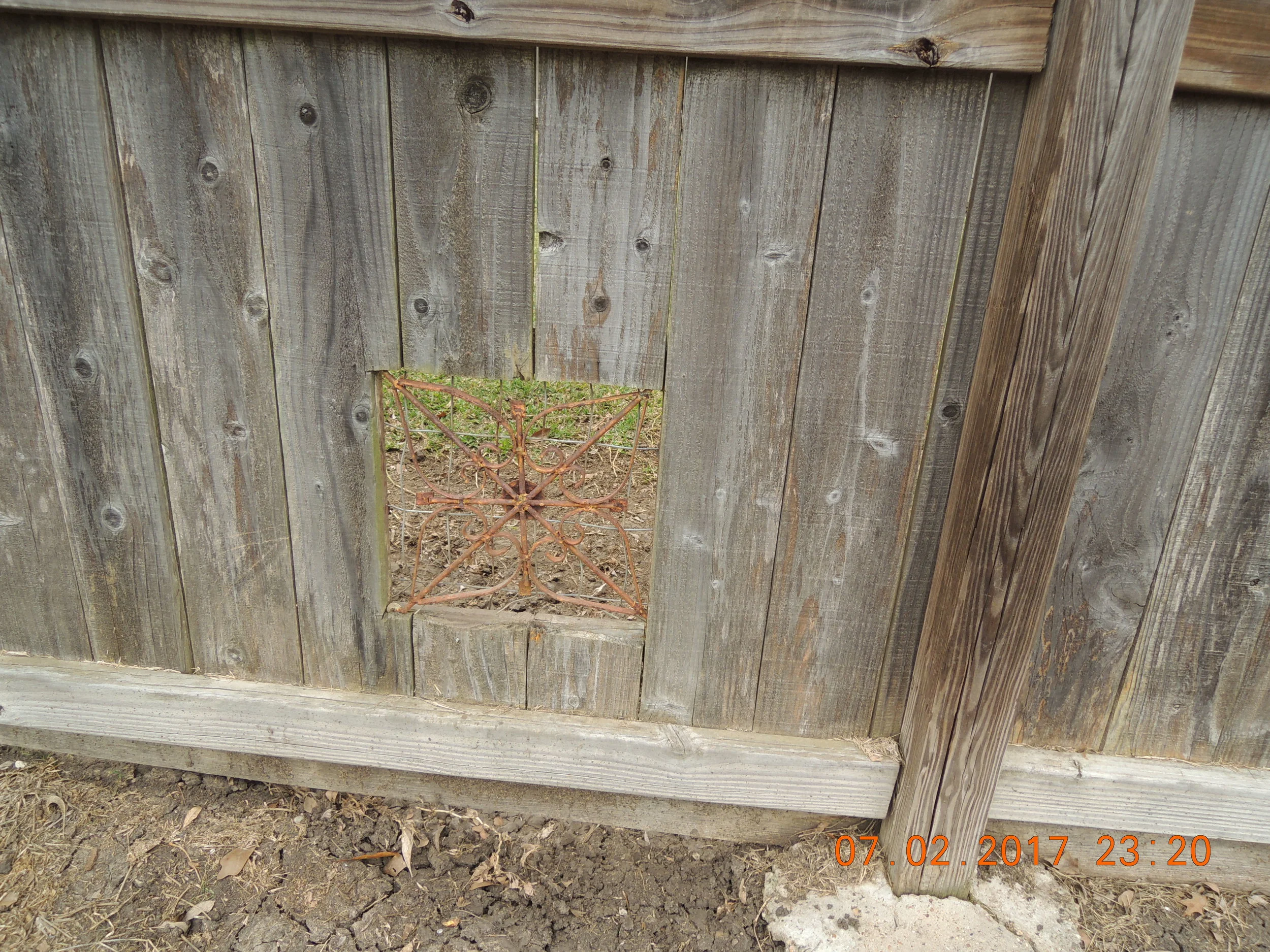
It's kind of dog owners to have these screens built into their fences.  Dogs need to be entertained.  

It's kind of dog owners to have these screens built into their fences.  Dogs need to be entertained.  

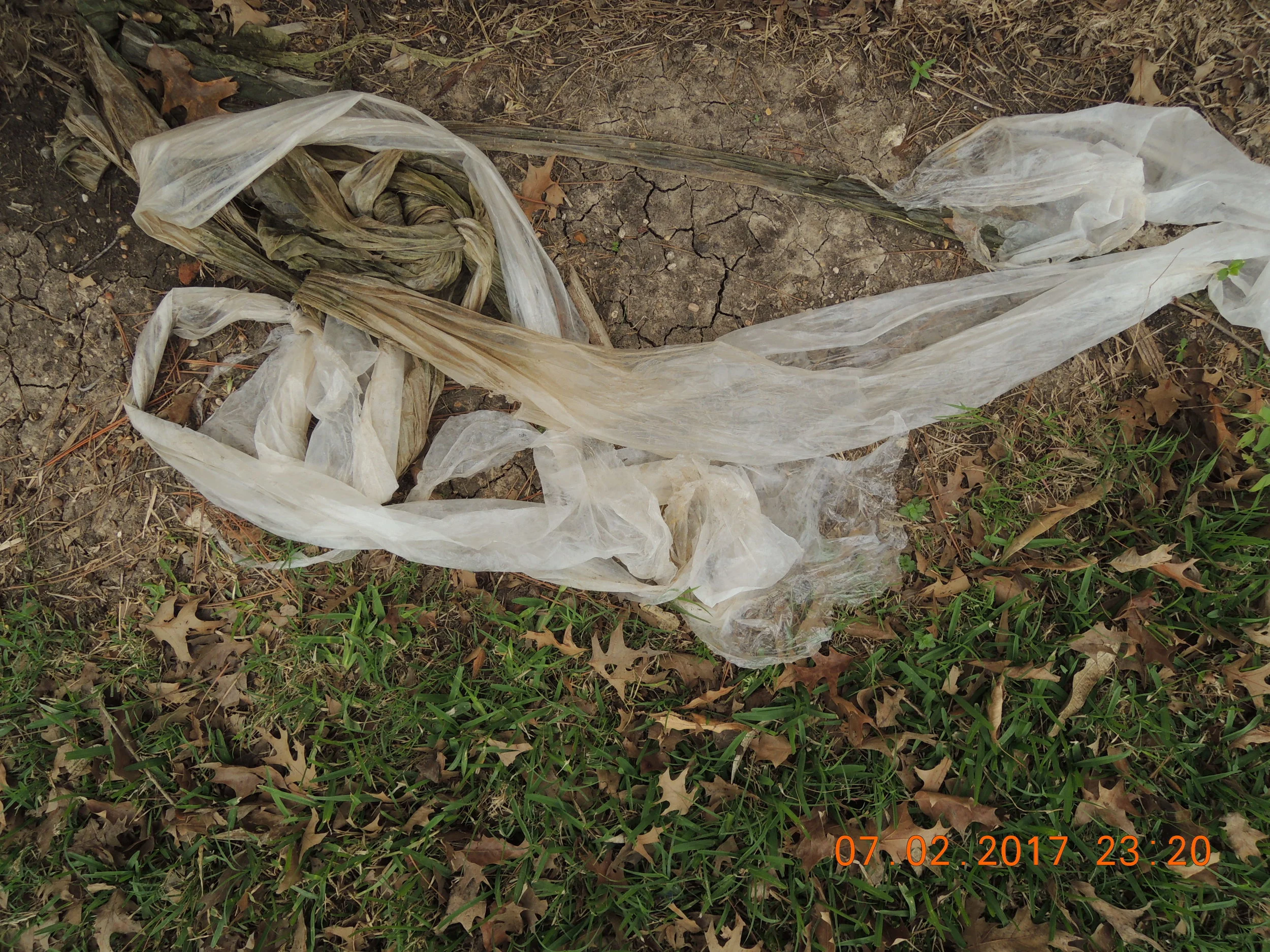
This kind of trash is all over the place.  Houston, where's your pride?  

This kind of trash is all over the place.  Houston, where's your pride?  

Blind-sided in the Cul-de-sac

When I was in seventh grade two girls phoned me within a space of fifteen minutes and tried to get me to say nasty things about one to the other.  As neither had ever been particularly friendly toward me, I caught on right away.  I imagined them in one of their bedrooms, eyes glittering with malice, as they clumsily tried to trick me.  I avoided the mean-girls trap, but it didn’t make any difference.  When I got to school the next day they’d passed it around that I’d said awful things about them. 

Why, to any of this?  I was a quiet girl, inoffensive, standing out in no way.  This is only one of many instances I can recall from a lifetime of being blind-sided by the way people treat each other. 

And the reason why it’s come to mind recently is that a neighbor couple is giving us the silent treatment.

Having lived with a father who would get mad and cold-shoulder a person, even his young daughter, for weeks at a time, I am fully aware of and impervious to this form of manipulation.  I began to suspect the disintegration of the relationship with our neighbors back in November when the wife’s responses to my texts became terse.  A message that used to contain emojis and exclamation points now only contained a brief word.  A couple of invitations to come over for a wine and snack evening were turned down with no excuse.  The husband no longer wanted to play golf with David. 

Having learned how to handle my anger from my father, when David and I first began living together I used the silent tactic on him when he didn’t do what I wanted.  During one of my icy pouts, he spoke to me as though I were an adult, though I was acting like a child, telling me that in our relationship we would talk about our issues, not stew over them.  I will be grateful forever to him for teaching me that there are better ways to deal with bad feelings.  Think how unhappy our marriage would have been if I had persisted in nurturing anger instead of talking things out. 

“You know why I think they’re mad?” David asks.

“Why?”  We’re at the local winery, picking up the three bottles of wine that our membership entitles us to.  Joining a winery is an iffy concept.  The wine isn’t good and it costs too much, but the surroundings are lovely and the ambience is convivial.  Our sulking neighbors are here, too, carefully not looking toward us, not acknowledging us in any way.  They’re laughing in the middle of a group of friends (be aware, friends; they’ll cut you off, too), and I think about how nice David and I are, and how much energy it must take to dislike us. 

“Because you had Trip put down.”

This gives me pause.  It’s true, they love dogs.  They volunteer at the no-kill shelter, they have several rescue dogs, and they drive all over Texas delivering needy dogs to new homes.   

“You think?”

“Look at the timing.  They quit talking to us right after that.”

Trip had an eye infection that wasn’t responding to treatment.  The vet said it was an inevitability that the infection would go to his brain, and that the only way to save his life was to take out his eyes.  I considered it.  It was a heart-crushing decision.  He was deaf and blind.  He was scared and lost all the time.  And then to maim him in that way.  I had him put down.  That was two months ago, and I’m still lonely for my little dog. 

“It hurts that someone would judge me for that,” I say, truly shattered.  “And now, when I see them on the street, or driving past, it’ll make me relive losing Trip all over again; and I’ll think how, not only do I not have my dog, but I’ve lost friends over it.”

“Friends are people who talk to you, not people who don’t talk to you.  Anyway, you have other friends—and every one of them thought you did the right thing.”

“Should we ask one of the neighbors to intercede?  If they understood the situation, maybe they’d get over it.”

“Why release any more negativity into the cul-de-sac?  Let’s just chalk it up to a lesson learned.  We shouldn’t have gotten close in the first place.”

This is a truism most Americans would know, but because we’ve lived overseas for most of our adult years, we don’t understand the nuances.  That’s not to say other places are different, because they’re not.  Singapore, Holland, Scotland, Kuwait, London—in all the places we’ve lived neighbors sensibly maintain a distance.  Here, in Marble Falls, we haven’t been sensible.  For some reason we thought that, once we settled into a home in the US, we’d actually get to know our neighbors instead of exchanging impersonal nods in the elevator or waves from the driveway.  Ex-pats have a tendency to romanticize home, to forget that we’re not all of the same mind, and that every person who’s friendly isn’t our friend.  We’ve been naïve. 

“I simply can’t be bothered to care anymore,” I say on a sigh.

“Life’s too short,” David agrees.

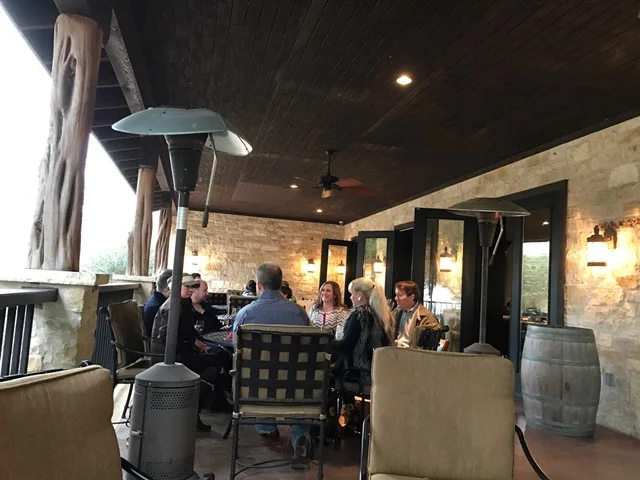
David's enjoying a Saturday afternoon at the winery.

David's enjoying a Saturday afternoon at the winery.

It's a nice place to hang out, but the wine that they're so proud of makes my mouth pucker.  

It's a nice place to hang out, but the wine that they're so proud of makes my mouth pucker.