Elusive Inspiration

I’m in Houston visiting my sister.  Last year was hard on her, in that both our mother and her boyfriend died.  While her depression isn’t mine, it does set the tone.  Her house is dark and her cats are old and her days hold no adventure. 

So, to lift my spirits, I set out on the walking path, planning thirty-five minutes in each direction.  Usually, on these walks, I have plots to ponder or imaginary conversations to keep me mentally occupied.  But today I’m flat, worn down by my baby sister’s pain.  Also, the novel I’m working on is becoming more and more unruly by the day; and I really miss the writers’ group in Singapore, where we read each other’s work and offered suggestions. 

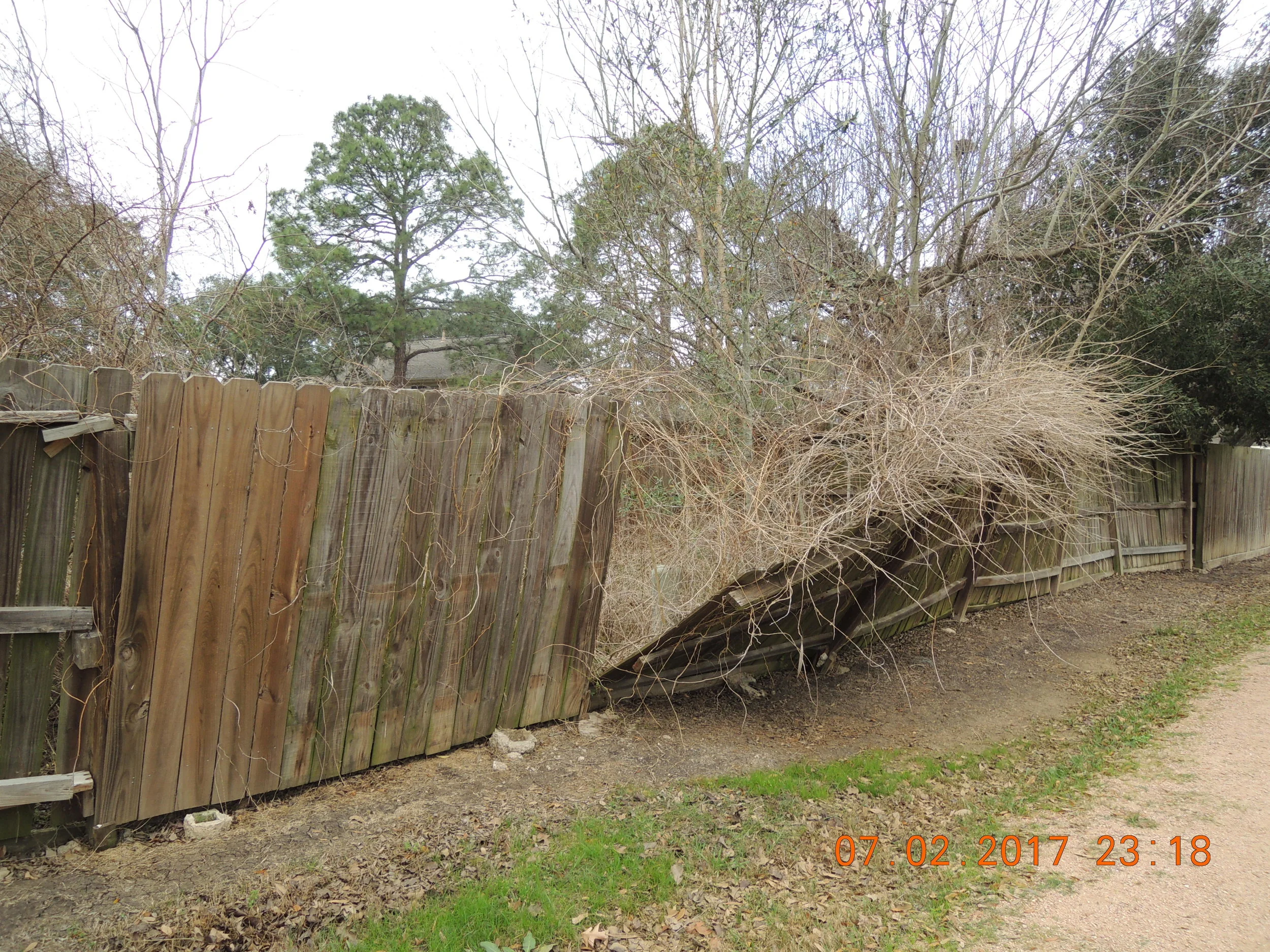
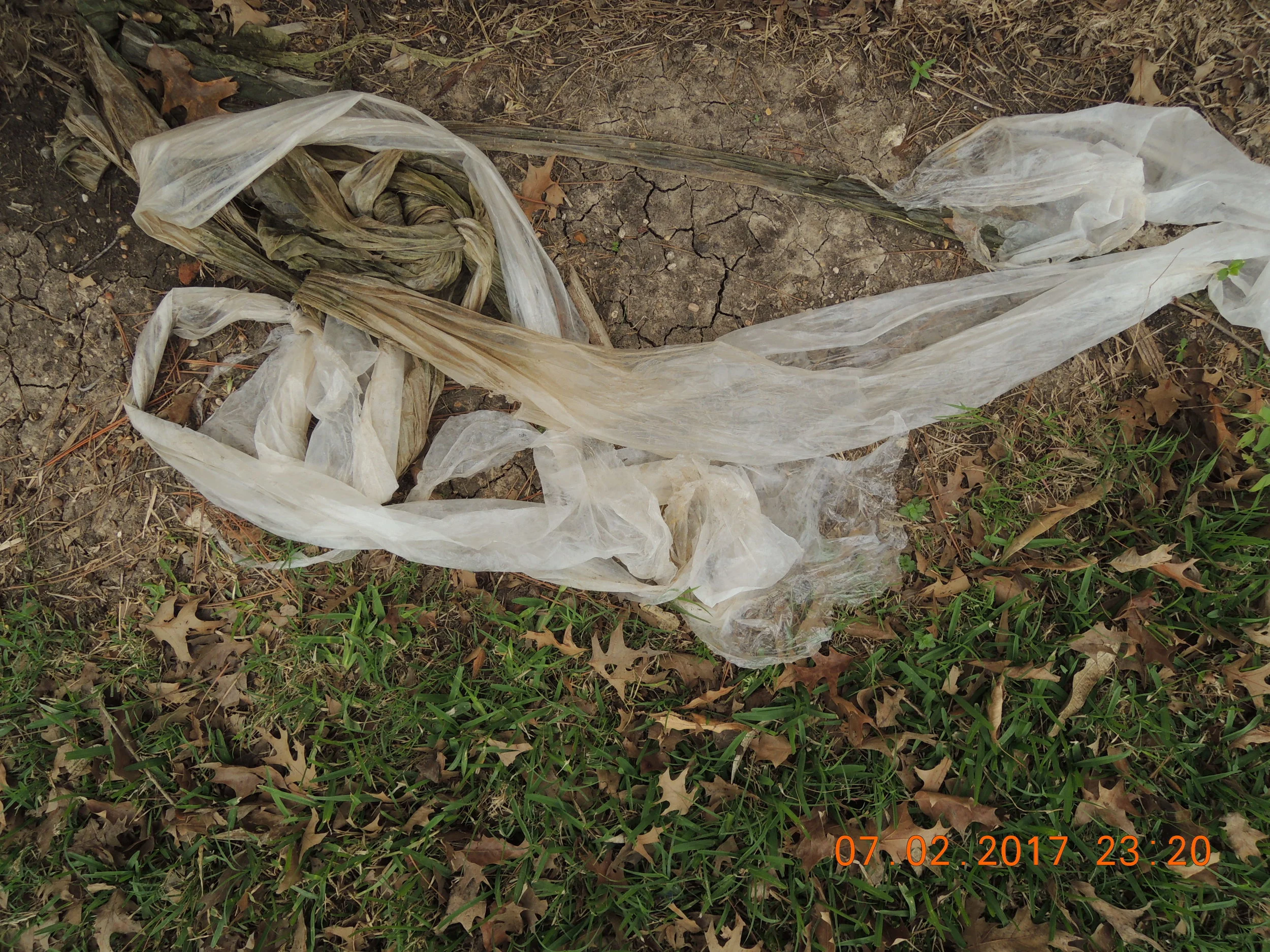
Because of my dull mindset, all I notice is what is wrong in front of me.  For instance, this is usually a lovely walkway, but somehow it has become littered with white plastic bags and bits of tissue.  Furthermore, the fences that border the trail are in horrendous disrepair.  Come on, people, this is a nice part of town.  Maintain!  And why is it eighty degrees and muggy in February? 

My current authorial project is an experiment, a spinoff from the Fran Furlow novels.  That the theme (control, or lack thereof) is obvious doesn’t disturb me; what’s bothering me is that I’m not having fun with it—and that I cannot blame on my hapless sibling’s state of mind.  The absence of humor is all on me.  Or maybe I’m too close to it.  It’s hard to see the sparkle in something you’ve read a thousand times. 

Stampede Day is about Karen Parsons, a compulsive shoplifter, who is assigned community service in place of jail time.  The service she is to perform is to organize the city’s annual reenactment of a cattle mishap that happened eighty years before.  But because I found this event, the focal point of the book, not terribly interesting, I started throwing random snags at Karen:  her grandmother dies, leaving half the family business to a schizophrenic uncle; her mother has become agoraphobic; her best friend gets the whole town riled about how nepotism played a part in her receiving a light sentence when anyone else would have gone to prison; and her boyfriend, concerned about her lack of impulse control, gives her a service dog that howls like it’s dying every time she steals something. 

An elderly couple walks toward me.  The man, overweight and slumped, moves slowly and relies on a cane.  His white-haired wife is tiny, and the timid way she places her feet tells me that she hurts with every step she takes.  But they’re getting it done, they’re out in the world, living.  I want to drag them back to my sister.  I would present them to her and say, “See, even these almost dead people get out of their house now and then.”

The issue with Stampede Day is that, at this point, it’s seventy-one thousand words, and that’s a lot of words, especially considering that very few of them work to move the plot along.  My novel that will soon be published, Why Stuff Matters, is a tight and trim fifty-nine thousand, five.  My fear is that Stampede Day will go on and on, forever unending, with my ill-fated main character eternally striving, but never achieving. 

Oh, I’ve come upon something unusual.  Most people whose homes back up to the hiking trail don’t fix up the area beyond their fence, but these people have set up an inviting bench beneath a trellis.  Construction was involved.  A blue glass-fronted cupboard next to the bench draws my attention, so I step close to have a look—hey, this is a wonderful notion!  It’s a library.  How civic-minded.  The unexpected appearance of books causes me to consider all the books I’ve read, and how every one of them has influenced me in some way, even the predictable romances and the poorly written thrillers (one of which I’m reading now; too many details, too many extraneous words; the author badly needs my guidance in editing).  Behind the glass Wolf Hall catches my eye.  It’s one of my favorite books—Thomas Cromwell was one shrewd and spidery badass.  I’m always surprised when I come across someone who hasn’t read it—I think, how could you not have read this?  It’s mind-blowing! 

A man and his small dog come toward me.  I miss my dog, but I’m not ready to get another one.  For one thing, it’s nice to be able to travel without the guilt associated with putting a beloved animal in a kennel.  The kennel I used for Trip charged an extra five dollars per day if I wanted someone to give him individual attention for ten minutes daily; five more if I wanted him to have social time with other dogs; five more if he needed regular medication.  What a rip.

I’m heading back.  Though this was meant to be a time of contemplation, I’ve come to no decisions about Stampede Day.  A chapter awaits and I have no idea where to take it.  Finished or not, someday soon I’m going to put it on a raft and kick it away. 
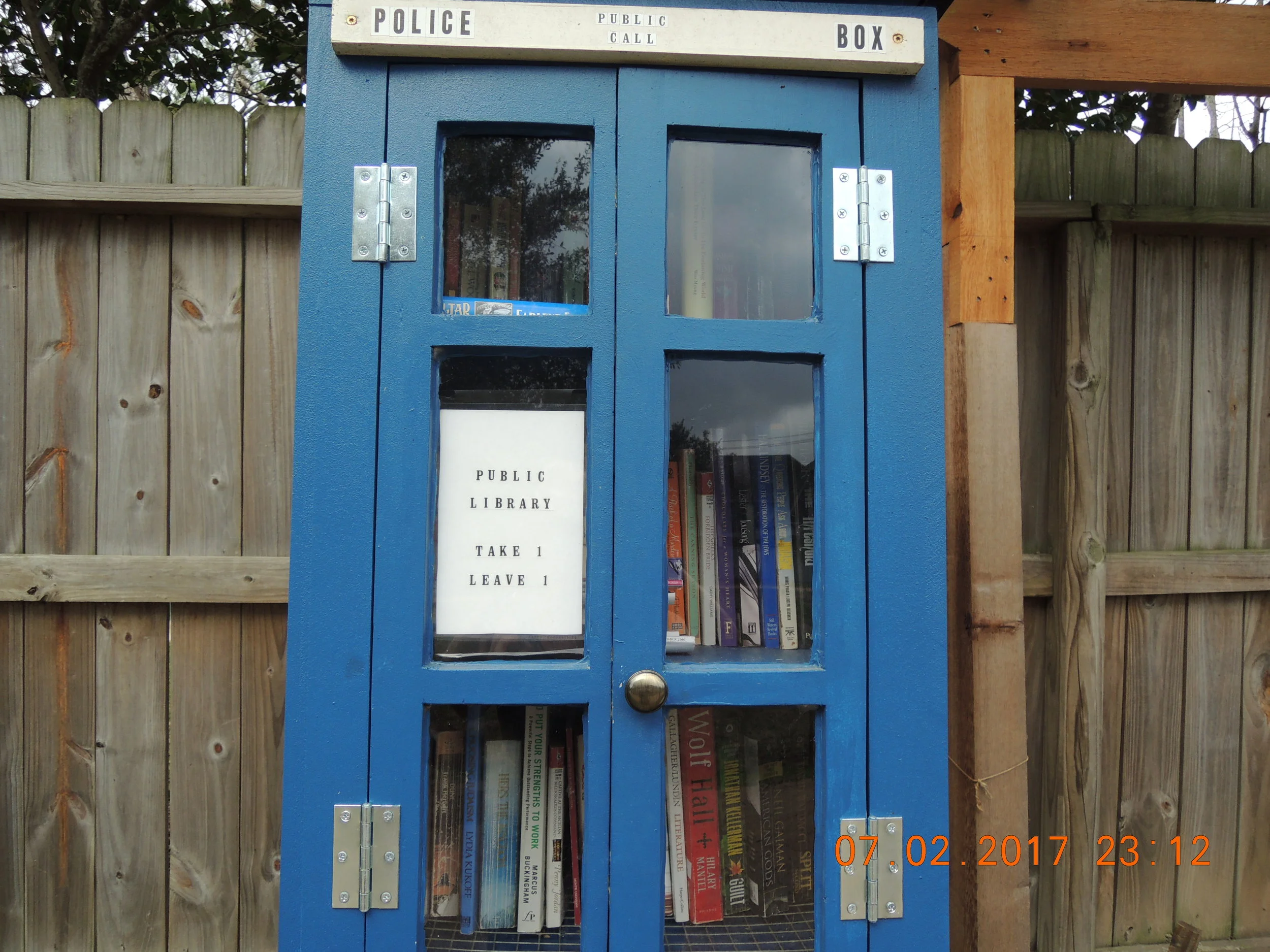
What a lovely idea!
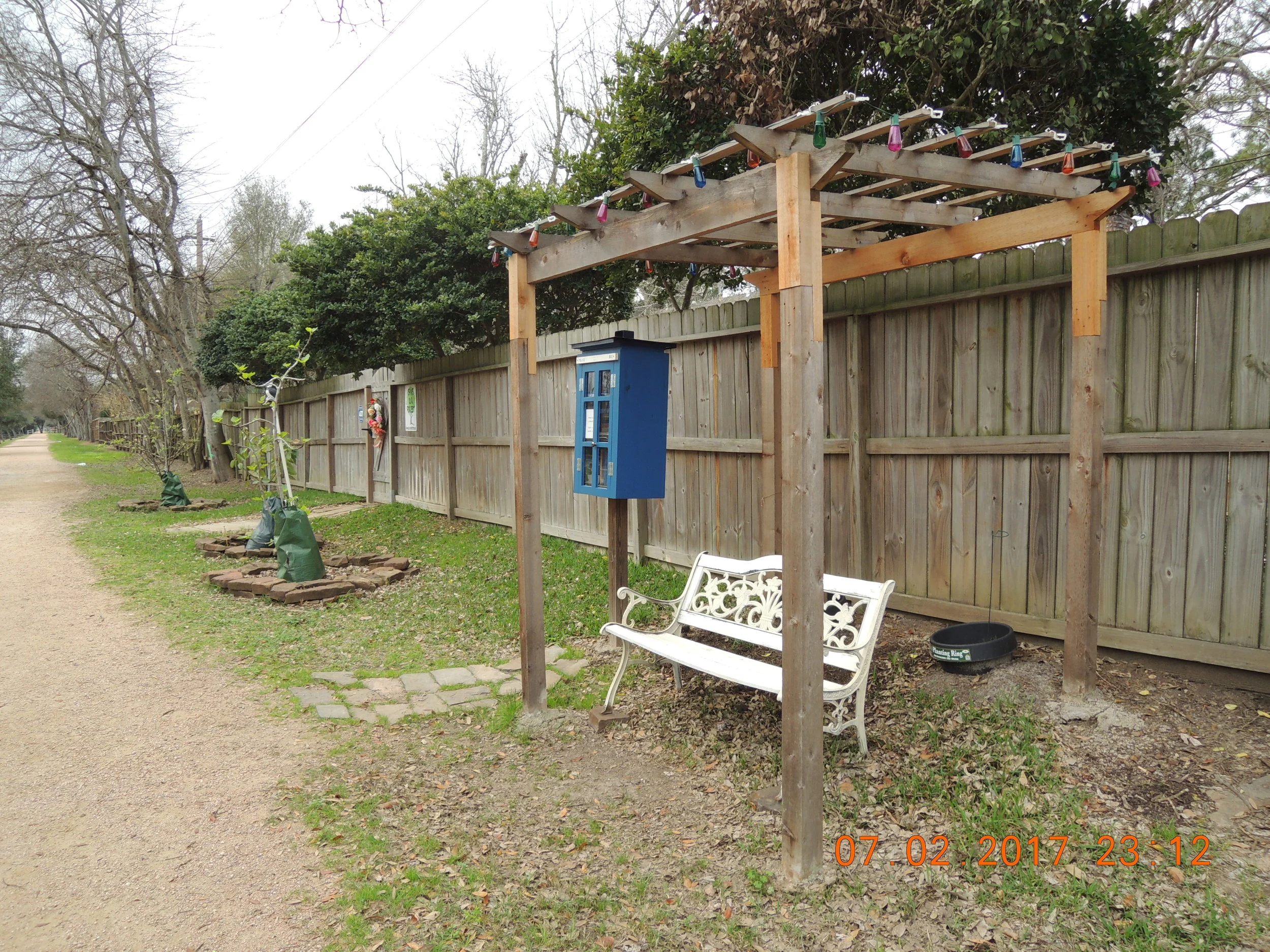
What a lovely idea!

They went to a lot of trouble to make their back area attractive.  
They went to a lot of trouble to make their back area attractive.  

These people, on the other hand, need to get after it.  
These people, on the other hand, need to get after it.  

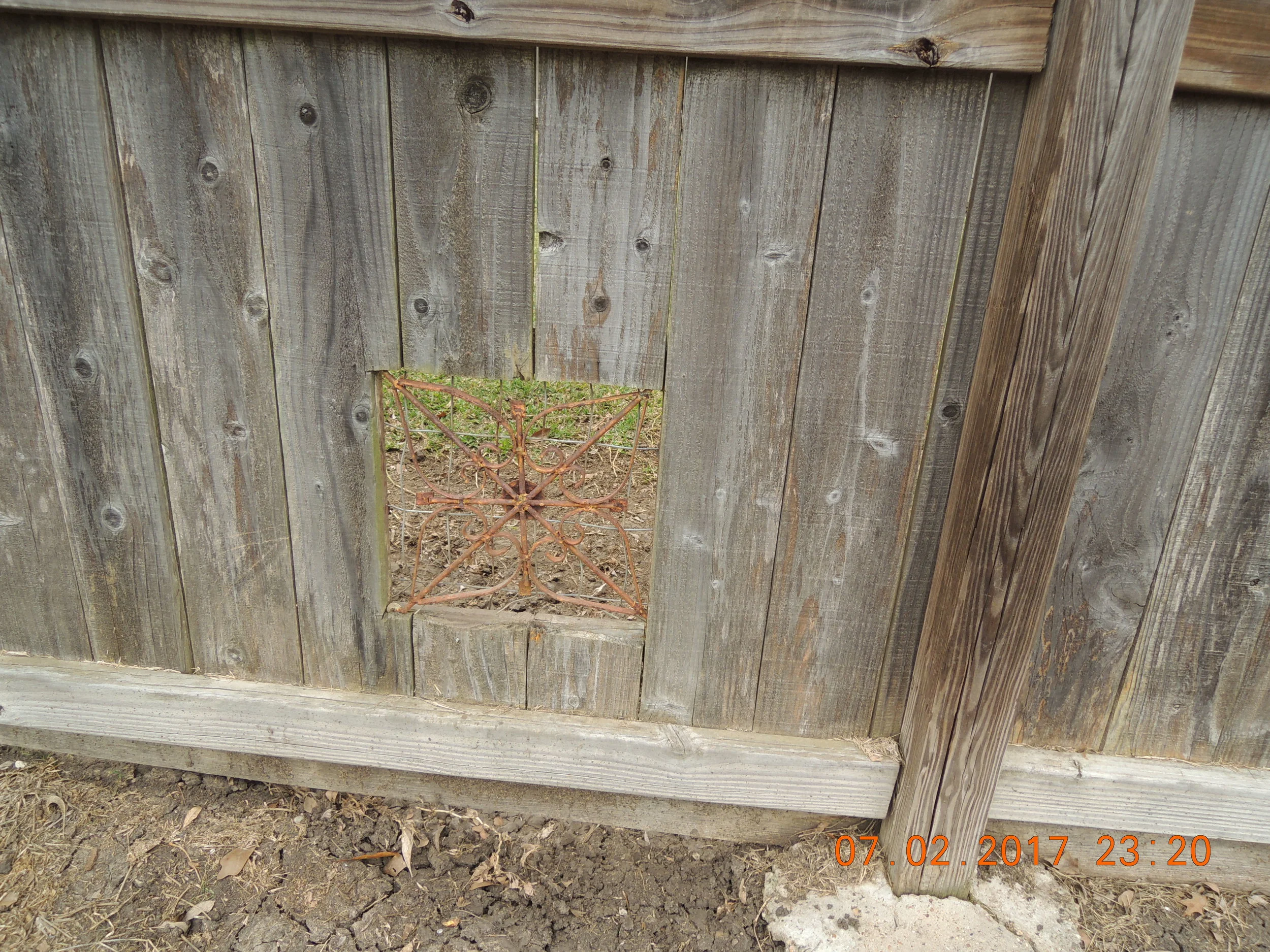
It's kind of dog owners to have these screens built into their fences.  Dogs need to be entertained.  
It's kind of dog owners to have these screens built into their fences.  Dogs need to be entertained.  

This kind of trash is all over the place.  Houston, where's your pride?  
This kind of trash is all over the place.  Houston, where's your pride?  
Blind-sided in the Cul-de-sac

When I was in seventh grade two girls phoned me within a space of fifteen minutes and tried to get me to say nasty things about one to the other.  As neither had ever been particularly friendly toward me, I caught on right away.  I imagined them in one of their bedrooms, eyes glittering with malice, as they clumsily tried to trick me.  I avoided the mean-girls trap, but it didn’t make any difference.  When I got to school the next day they’d passed it around that I’d said awful things about them. 

Why, to any of this?  I was a quiet girl, inoffensive, standing out in no way.  This is only one of many instances I can recall from a lifetime of being blind-sided by the way people treat each other. 

And the reason why it’s come to mind recently is that a neighbor couple is giving us the silent treatment.

Having lived with a father who would get mad and cold-shoulder a person, even his young daughter, for weeks at a time, I am fully aware of and impervious to this form of manipulation.  I began to suspect the disintegration of the relationship with our neighbors back in November when the wife’s responses to my texts became terse.  A message that used to contain emojis and exclamation points now only contained a brief word.  A couple of invitations to come over for a wine and snack evening were turned down with no excuse.  The husband no longer wanted to play golf with David. 

Having learned how to handle my anger from my father, when David and I first began living together I used the silent tactic on him when he didn’t do what I wanted.  During one of my icy pouts, he spoke to me as though I were an adult, though I was acting like a child, telling me that in our relationship we would talk about our issues, not stew over them.  I will be grateful forever to him for teaching me that there are better ways to deal with bad feelings.  Think how unhappy our marriage would have been if I had persisted in nurturing anger instead of talking things out. 

“You know why I think they’re mad?” David asks.

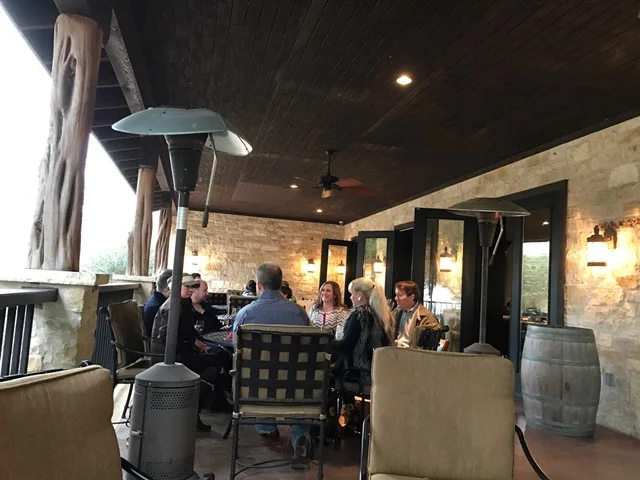
“Why?”  We’re at the local winery, picking up the three bottles of wine that our membership entitles us to.  Joining a winery is an iffy concept.  The wine isn’t good and it costs too much, but the surroundings are lovely and the ambience is convivial.  Our sulking neighbors are here, too, carefully not looking toward us, not acknowledging us in any way.  They’re laughing in the middle of a group of friends (be aware, friends; they’ll cut you off, too), and I think about how nice David and I are, and how much energy it must take to dislike us. 

“Because you had Trip put down.”

This gives me pause.  It’s true, they love dogs.  They volunteer at the no-kill shelter, they have several rescue dogs, and they drive all over Texas delivering needy dogs to new homes.   

“You think?”

“Look at the timing.  They quit talking to us right after that.”

Trip had an eye infection that wasn’t responding to treatment.  The vet said it was an inevitability that the infection would go to his brain, and that the only way to save his life was to take out his eyes.  I considered it.  It was a heart-crushing decision.  He was deaf and blind.  He was scared and lost all the time.  And then to maim him in that way.  I had him put down.  That was two months ago, and I’m still lonely for my little dog. 

“It hurts that someone would judge me for that,” I say, truly shattered.  “And now, when I see them on the street, or driving past, it’ll make me relive losing Trip all over again; and I’ll think how, not only do I not have my dog, but I’ve lost friends over it.”

“Friends are people who talk to you, not people who don’t talk to you.  Anyway, you have other friends—and every one of them thought you did the right thing.”

“Should we ask one of the neighbors to intercede?  If they understood the situation, maybe they’d get over it.”

“Why release any more negativity into the cul-de-sac?  Let’s just chalk it up to a lesson learned.  We shouldn’t have gotten close in the first place.”

This is a truism most Americans would know, but because we’ve lived overseas for most of our adult years, we don’t understand the nuances.  That’s not to say other places are different, because they’re not.  Singapore, Holland, Scotland, Kuwait, London—in all the places we’ve lived neighbors sensibly maintain a distance.  Here, in Marble Falls, we haven’t been sensible.  For some reason we thought that, once we settled into a home in the US, we’d actually get to know our neighbors instead of exchanging impersonal nods in the elevator or waves from the driveway.  Ex-pats have a tendency to romanticize home, to forget that we’re not all of the same mind, and that every person who’s friendly isn’t our friend.  We’ve been naïve. 

“I simply can’t be bothered to care anymore,” I say on a sigh.

“Life’s too short,” David agrees.

David's enjoying a Saturday afternoon at the winery.

David's enjoying a Saturday afternoon at the winery.

It's a nice place to hang out, but the wine that they're so proud of makes my mouth pucker.  

It's a nice place to hang out, but the wine that they're so proud of makes my mouth pucker.  

Narrows

Yesterday afternoon was woefully unproductive.  In the mood to start a new blog posting, I sat at the computer for fifteen minutes, could think of no subject worth exploring, and commenced to waste a full hour playing Spider Solitaire.

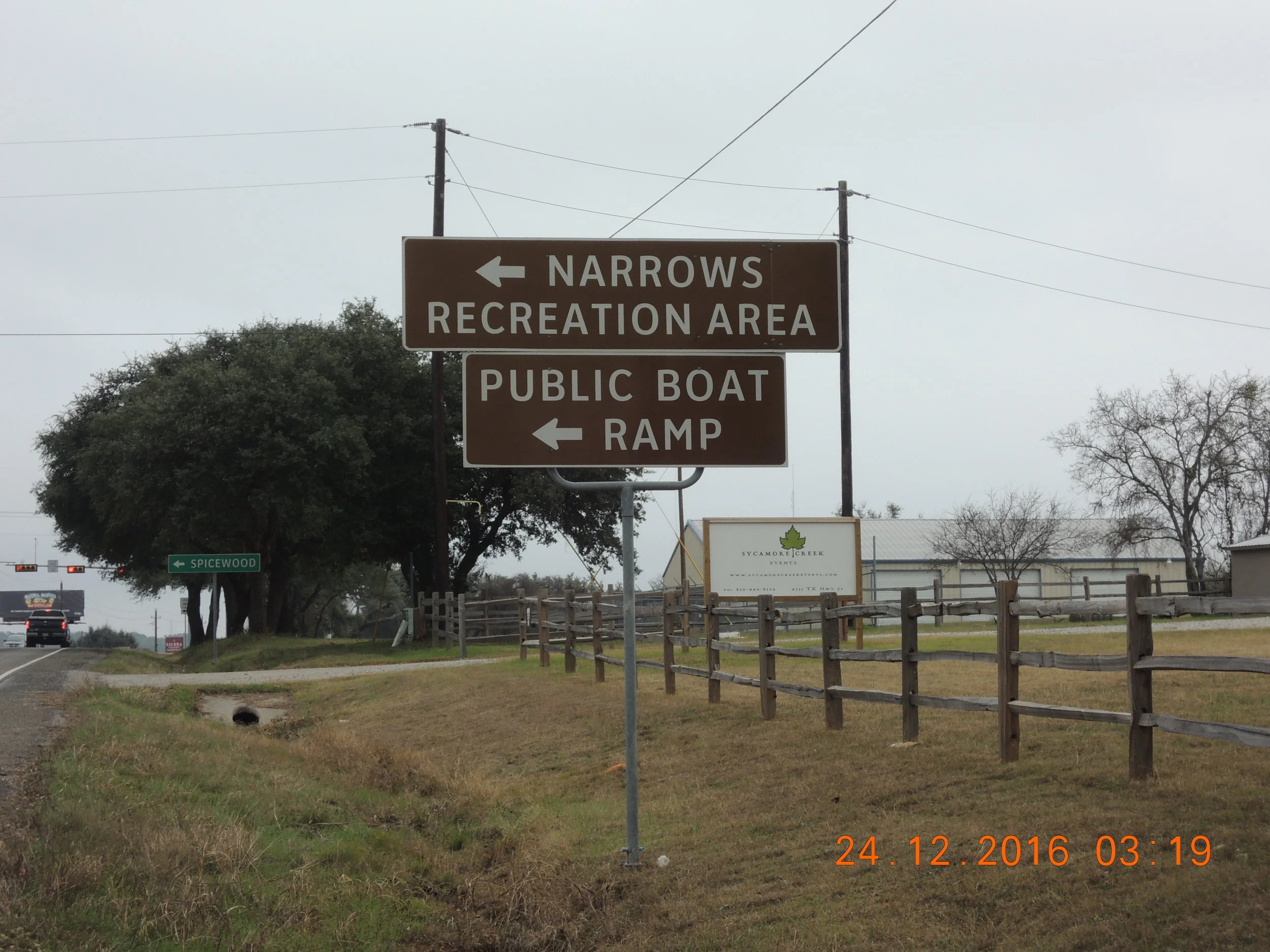
So today when David suggests driving to Spicewood and checking out the Narrows Recreation Area, I’m all for it.  Recreation is one of my favorite things; and every time we pass the sign on the highway with the arrow, one of us says that we should go see what it’s referring to.  Also, anything’s better than having a head so empty that I can’t even come up with an idea. 

For a writer, typing off five hundred words that say nothing is part of the job description.  So why couldn’t I do that yesterday?  The most likely reason for the difficulty is that the novel I’m currently working on is all-consuming.  Here’s the first-page, a teaser:   

Saturday morning, ten o’clock. 

The strategy room on the DA’s floor of the Caprock Tri-County Courthouse, a corner chamber made inharmonious by the sort of imperfections that make me squirm—a landscape hanging crookedly, a bank of cabinets with two drawers not quite closed, a set of blinds with an uneven slat. 

Sitting in the center of a semi-circle, I’m neatly dressed in creased black pants and a silvery silk blouse, none of which I paid for.  It’s my funeral attire, which suits the ambient mood.  My emotions compete—humiliation, resentment, and exhaustion.  These people know I work into the early hours.  The timing was set for their convenience, not mine.

This committee has convened in reaction to my latest and most scandalous felony.   I’m in real trouble this time. 

They all lean in.  Not one of them wants to be here. 

Judge Ramos, round-headed, bald, rotund.  Casually dressed, jeans and boots, his weekend clothes.  For twenty years this man has assigned proportional consequences to Caprock’s miscreants.

Mayor Cantu, petite with burdened eyes and girly lashes.  Reasonable and kind, he sincerely considers what’s best for Caprock before all else. 

Beverly Arnold, thighs straining against her brown stretch pants, three chins, brassy hair from the eighties.  As my high school counselor, it was her job to chastise me for smoking in the bathroom, skipping detention, and sneaking coffee from the teachers’ lounge.  She’s been asked to share her thoughts about my issues, and to recommend accordingly.  High school was years ago, and I can’t imagine that she possesses any insight that’ll shine a helpful light on my current situation. 

Dr. Hamm, highly respected dermatologist.  I’ve never seen him in jeans before, but here he is, in worn denim, with pale green Taggios on his long feet.  By being here, he’s doing a favor for my friend, Fran Furlow.  She’s his office manager and, either because he owes her or she guilted him, he’s agreed to act as my character witness and advocate. 

Wenton Parsons, the DA, my deceased father’s brother.  Guardian of the family name.  Slacks, dress shirt, and tie.  He holds himself to a standard, not because he’s vain, but because he wants to be taken seriously.  His silver hair and moustache, trimmed regularly, bring an intimidating dignity to the proceedings.  I bet he and Mom had a heart-to-heart this morning.  I’ve put him in a tricky position. 

And Henry Joos (pronounced juice), my attorney who’s doing his best to get me out of the mess I got myself into.  Heavy in the chest with no ass at all, his kakis are frayed at the heels and his loafers went out of style years ago. 

The six of them peer at me with identical expressions of dismay and compassion.  Ages range from fifty to sixty-five.  All were friends of my father, principal at High Plains High for twenty years, who died of an aneurism two years ago.  Out of respect for my dad, and because they knew me when I was a child, the last thing they want to do is send me to prison because of a handbag. 

 An excellent beginning, right?  I’m fifty-five thousand words into it and it’s going well, but sometimes a story needs to mull.  So, wanting a break and fresh air, I pull on a jacket.  We get in the car and I drive fifteen minutes on 71 toward Austin, then turn left at the Exxon station.

“We need to have something in the house to serve the kids for breakfast on Monday,” David says as I navigate the tight, pitted road.  “Bagels?”

“How about yogurt?  We don’t need bagels because neighbors keep dropping in with cakes and cookies.”  I sigh.  It’s what people do at Christmas, but it’s too much food.  Maybe Curtis will take a couple of fruitcakes home with him. 

This area we’ve traveling through is so overgrown that we can’t see beyond the vine-draped barbed wire on the side of the road.  It’s creepy and dense, and I suspect the wall of thorny weeds conceals meth houses, which I’ve been told are prolific in this part of the country.  Suddenly the wild growth disappears, opening to reveal a beautiful ranch with a substantial iron gate and a long curving driveway leading to an elegant home.  Longhorns lounge on the front lawn.  I wonder about the relationship between the people who live in this very expensive isolated splendor and their neighbors, the meth people.  Both factions probably voted for Trump, so they have that in common. 

“I think we should have bagels, too,” he says, “just to make sure.”

“I’m telling you, the last thing we need to do is obtain more baked carbs.”  On my counter are three cakes, some kind of German dough balls, brownies, and pumpkin tarts.  Also, one particularly talented woman in the cul-de-sac made truffles that melt on your tongue.  

“Okay, but I’m warning you, if we don’t have enough, it’ll be on you.”

“What, exactly, is going to happen to me?  Will punishment be involved?”  Curtis and Anna are only two people.  We don’t need to gather in more food. 

“Just be warned.”

The road curves, rises and dips, and eventually leads us to a peaceful park overlooking the Colorado River.  A field for kicking a ball around, two picnic tables, and a dock where you can put your boat in the water.  Glorious clean air offering an unlimited supply of allergens.  No one in sight. 

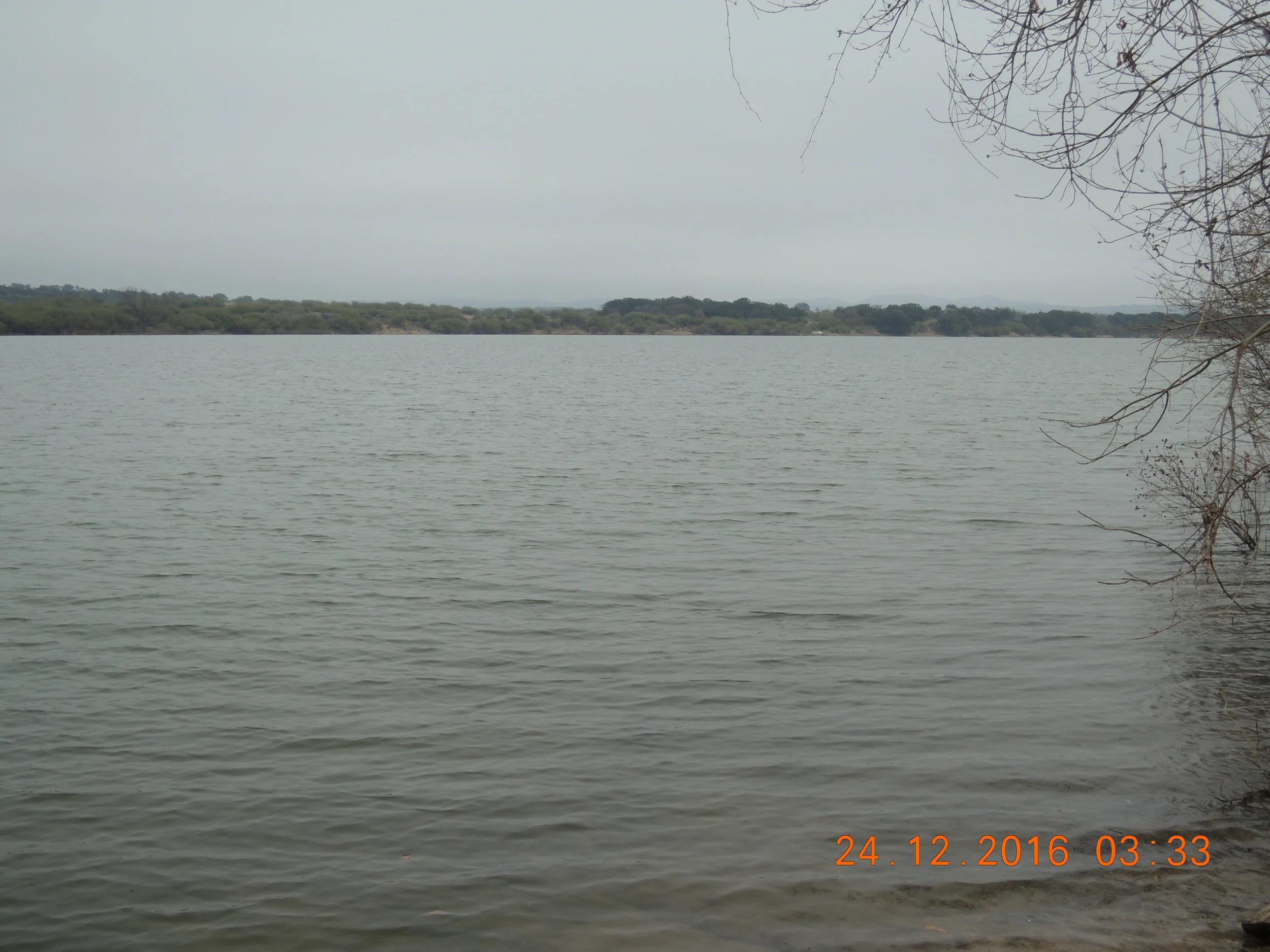
“Well, isn’t this a pleasant place?” I walk close to the water, taking in the breadth and movement of the river.  Why call such a broad expanse Narrows?  “If we were people who picnicked, we could do that here.”

“Whatever breakfast we have on Monday needs to be easy and quick because Curtis and I are leaving for the golf course around eight-fifteen.”

“Is a bagel quicker to eat than a slice of pound cake or a few mini-tarts?”

“I’m just saying, maybe bagels would be better.”

And so on the way home we stop at the grocery store and buy bagels. 

The sign made us curious.  

The sign made us curious.  

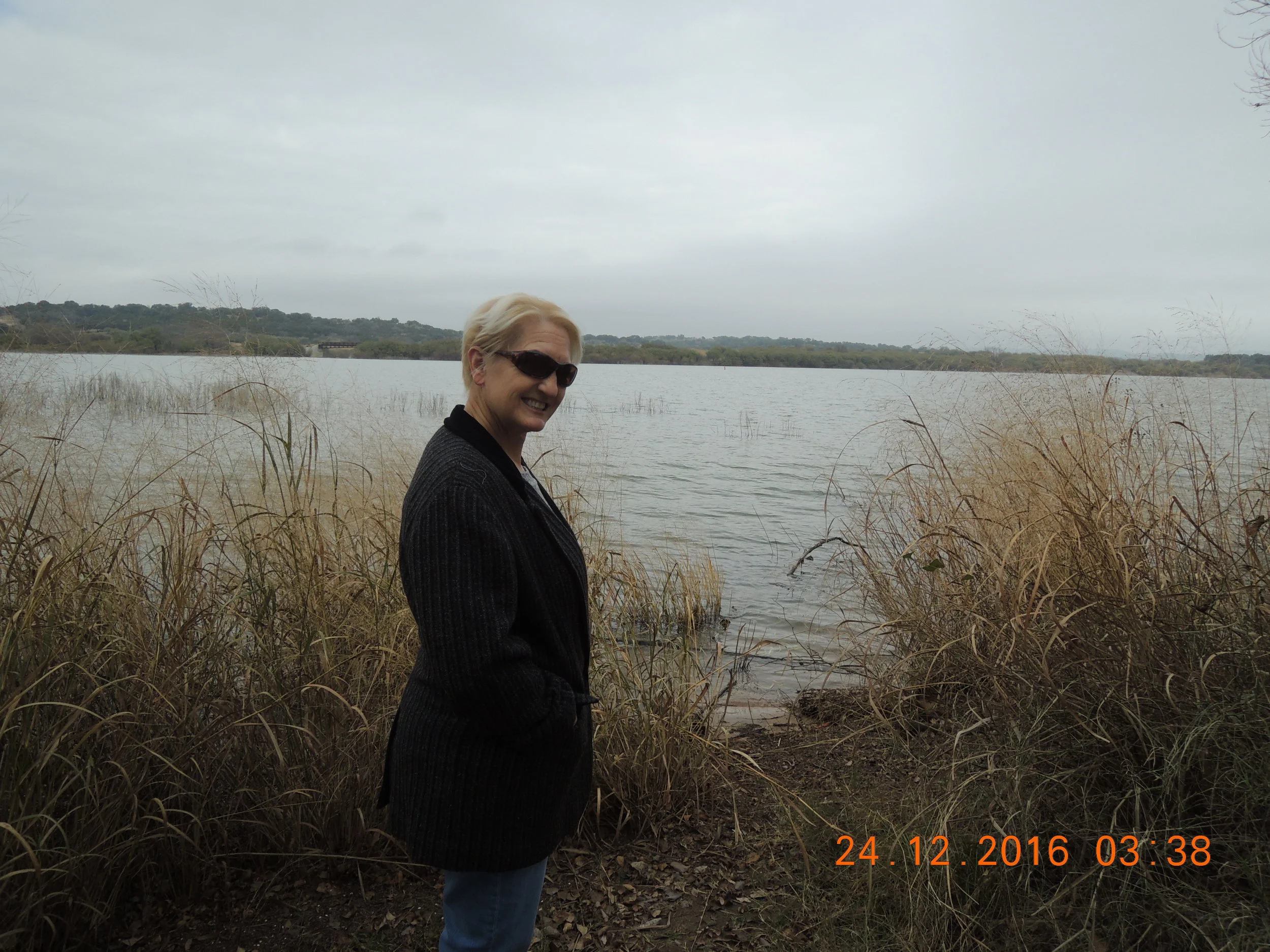
Maybe naming this broad portion of the Colorado "Narrows" is like calling a bald guy Curly.  

Maybe naming this broad portion of the Colorado "Narrows" is like calling a bald guy Curly.  

Gray sky, gray water.    

Gray sky, gray water.    

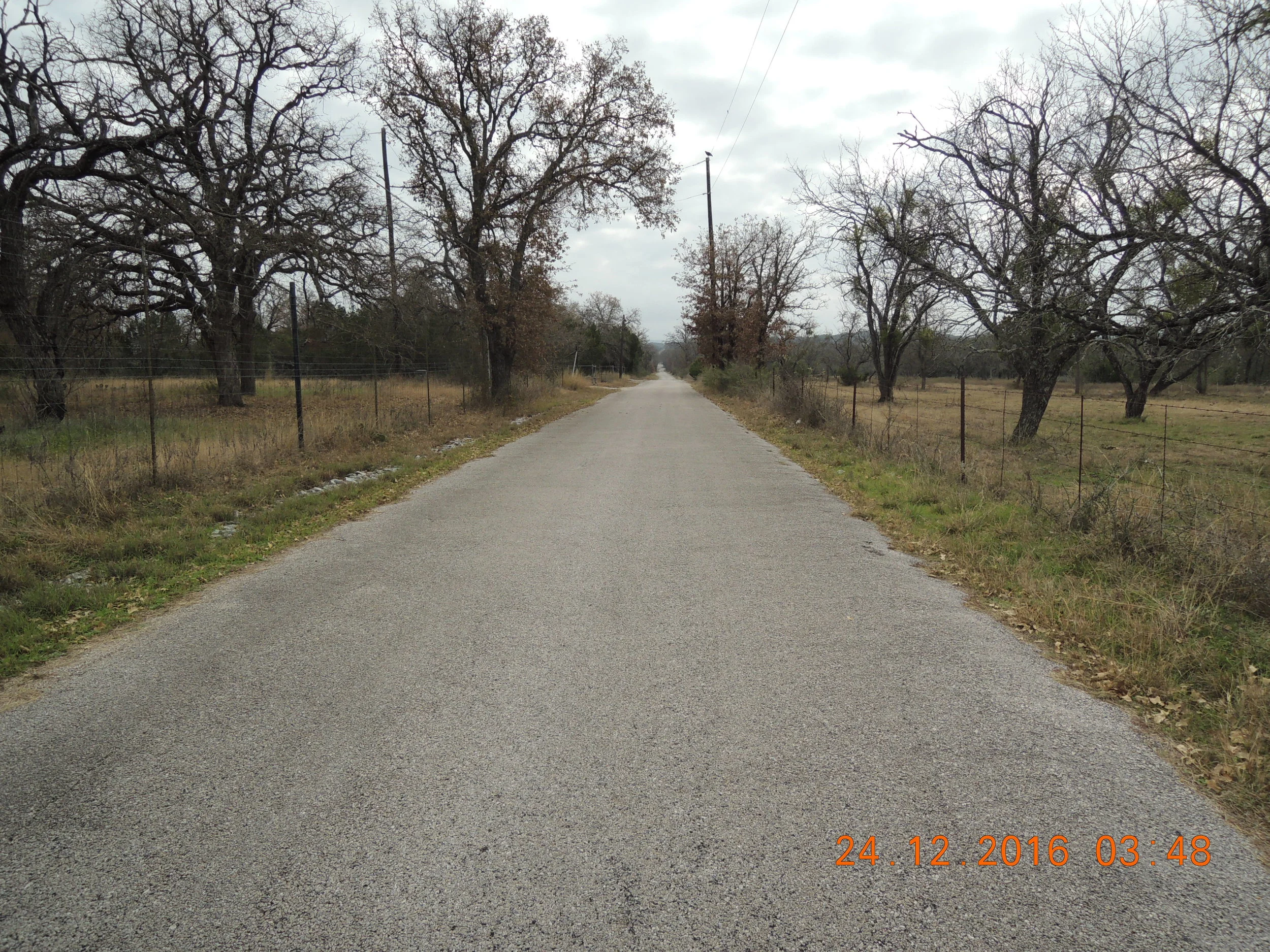
This stretch of road is pleasant, no meth houses in sight.  

This stretch of road is pleasant, no meth houses in sight.  

The Hostage Drawer

Christmas decorations cover every surface.  Today we’re having our annual holiday open house, a time when we invite friends and family to drop in, toast the season with David’s exceptional eggnog, and catch up on the events in one another’s lives.  Last year, though we hadn’t lived here long, more than forty people came.  Though it’s a lot of work, connecting with the members of our various groups outside the usual venue is enlightening.  And it’s always wonderful to see old friends.

This season is also when I write my informative letter, which will be slight this year because, other than the deaths of my mother and my dog—and who wants to hear about that at Christmas?—not much has changed.  The boys are prosperous and healthy and we’re proud of them.  Curtis is engaged to a lovely young woman, wedding in the spring.  Still in Beijing, Sam continues in his buy-one-give-one business plan (company name, Mantra, goal is eye exams for rural Chinese children).  And David is busy with his various local projects—Habitat for Humanity, ushering at church, playing golf.  So, our lives flow contentedly on. 

A couple of months ago I was thrilled by the UK publication of my novel, Old Buildings in North Texas, a topic which introduces a petty, yet consuming, issue.  OBiNT is getting good reviews in England, which is excellent, but I need more of them.   I understand that part of being a writer is that, when you release it you’ve got to let it go.  And I also realize that roping in the few people I know and coercing them into writing reviews is a ludicrously ineffective thing to do.

Nevertheless, I gave nine signed copies to friends and relatives with the stipulation that they post a review.  Every one of them seemed desperate for a signed copy, and they were all agreeable to my terms.  Though I received twenty of the hardbacks from Arcadia, a generous gift, it was my intention to have them available for sale at my upcoming readings.  I obviously have difficulty saying no.  

Reviews are important because a high number of them indicates a high number of readers.  A person browsing online will see an impressive number of comments and think hey, look how many people have read that book.  I should probably read it, too, so I can discuss it with all the cool Literati at parties who are sure to be talking about it. 

Also, it’s Christmas, and in the UK that means giving books as gifts.  The British are a book-loving breed. 

Of the folks who received signed copies and a really good read that cost them nothing, only two have gone to the trouble of doing what they said they would do.  It’s a matter of a few minutes to log on to Amazon UK, say it was a good book, and give it five stars. 

Disillusioned?  Disappointed?  You bet. 

Two women that I don’t know that well—one from Mahjong, and the other, one of David’s friends from Habitat—were interested enough to purchase copies online.  Both of them wrote reviews, and if I didn’t consider them good friends before, I sure do now. 

This situation prompts me to search my memories for a time when I let someone down.  I must have, at some point.  Apparently people do.  Here’s what I came up with:

After college I heard from one friend, Cindy, that another friend, Mary’s, brother had committed suicide.  Cindy didn’t know Mary that well, but I’d been tight with her and her family since I met her at band camp in seventh grade.

“You need to call her,” Cindy told me.  “I ran into her at the grocery store and she said she was depressed and she felt like her friends had abandoned her.”

“Of course I will,” I responded.  “I loved her brother.”  But I never did.  The more time passed, the more difficult it became to make the call.  I was immature and didn’t know how to comfort someone after a loved one had died in such a tragic way.  I never spoke to Mary again, and I’ve felt sorrow over my behavior ever since.

Another time I didn’t meet an obligation was when we were preparing for a move to Singapore, and I was distracted and frazzled; and on Monday morning I forgot it was my turn to help count Sunday’s collection money.  An insignificant incident, but bringing it up indicates how the memory of it still brings me shame.  I have a keen sense of responsibility, an obnoxiously loud conscience, and an inability to self-forgive.    

So, if my recollection has failed me, and if I’ve let someone down and not apologized for it, please let me know and an apology will be forthcoming. 

On the other hand, because of the horror brought on by someone relying on me, I’m stingy with my commitments.  This is a trait passed to me by my father who, if he thought someone was going to ask him a favor, would hide for days.  During my formative years, he often told me, “Jennifer, do never volunteer.”  

One of the friends who receive a copy of Old Buildings in North Texas, but never wrote a review, arrives at our open house.

“Don’t let me forget my cake pan,” she says cheerfully, referring to the pan she forgot to take home with her on Thanksgiving.  As pans go, this is a nice one, substantial and expensive. 

“I’m keeping it until you post the review you promised,” I tell her.  This is what I’ve resorted to.  If she thinks I don’t check UK Amazon every day, she’s crazy. 

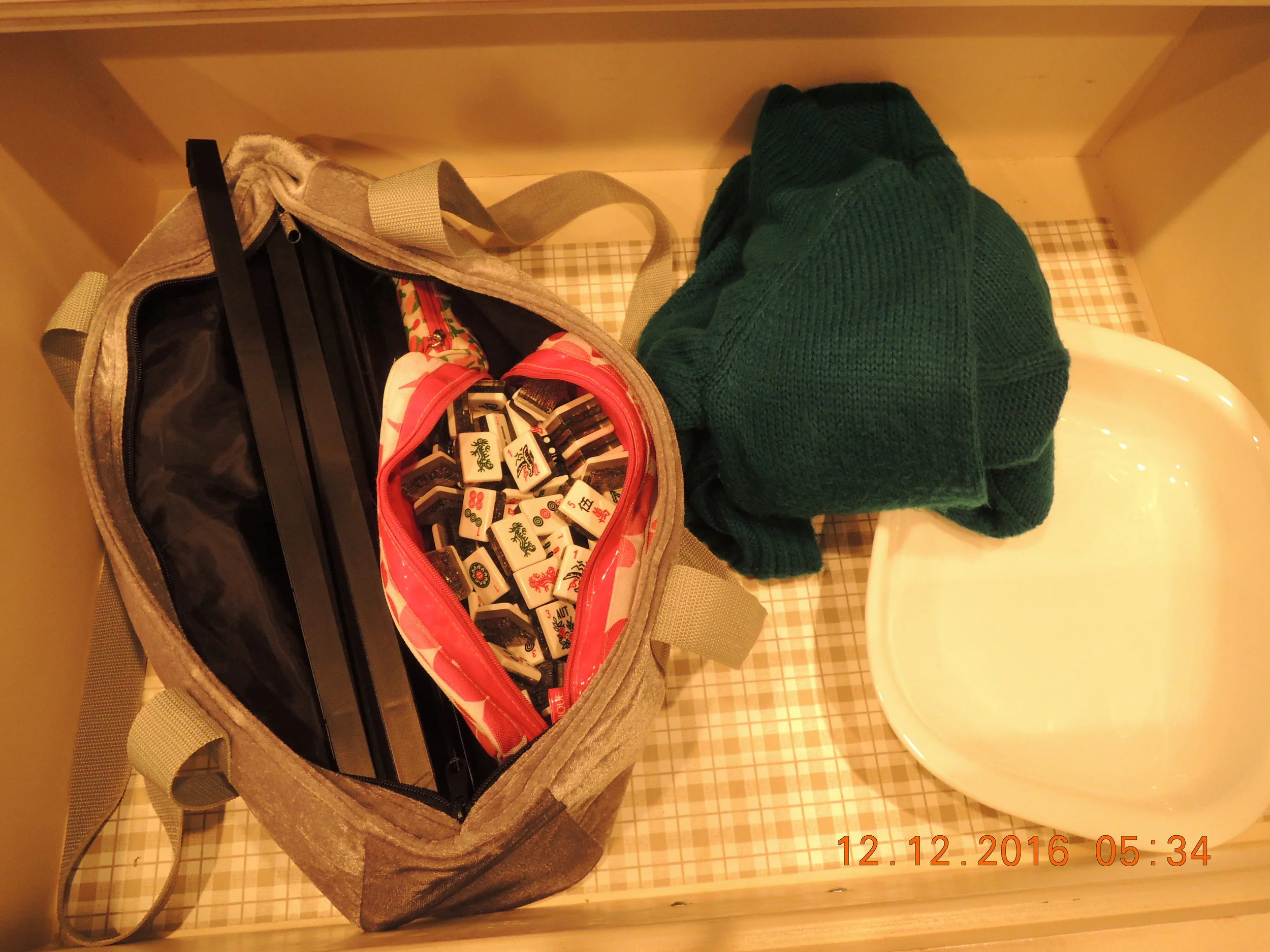
“I haven’t even started it yet,” she responds, which is maddening and hurtful.  Like I said, I wanted reviews for the Christmas season.  I don’t remind her to take her baking pan, and she leaves without it.  It’s being held hostage in a kitchen drawer, next to Kendra’s favorite sweater, which she left here last week, and which will be held until her review appears; also, Eileen’s Mahjong set, which she left in my charge because she had to leave early last week and her set was in use, and which I’ll release to her as soon as I see her review on Amazon UK.  And now—

Let it go, Jen, let it go.

A Mahjong set, a sweater, a nice baking pan.   The hostage drawer.  

A Mahjong set, a sweater, a nice baking pan.   The hostage drawer.  

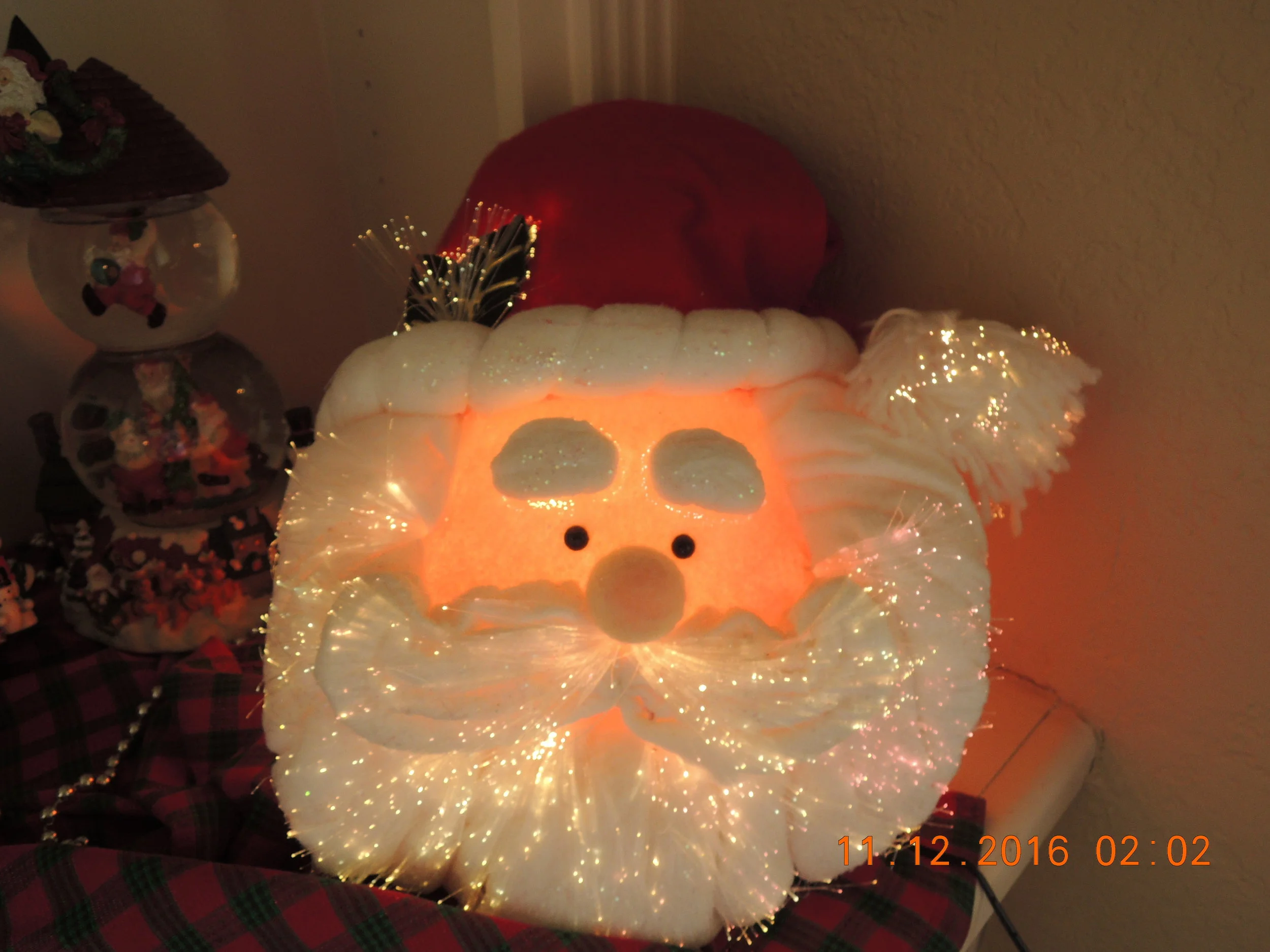
Santa says "Merry Christmas!"

Santa says "Merry Christmas!"