Sometimes You Wonder

David and I attend a Saturday afternoon event celebrating the opening of The Safe Place, a shelter for families in trouble.  A clean new building with a commercial kitchen, a meeting area, a couple of offices, and quite a few dorm-style bedrooms, it’s a community project, sponsored by several churches and inspired by a larger, similar venture in Austin. 

We’ve had tours and now gather, eating cookies and socializing as we wait for the speeches of recognition and gratitude.  There are probably sixty people in this large room adjacent to the kitchen.  I know a few of them, though not well.  David, who likes helping people and feeling useful, had a hand in getting the center up and running, so he’s bonded with many, and is all over the place, shaking hands and smiling, glad to be part of this undertaking. 

Across the room, I see a friend, Llawela, and her boyfriend, Angus.  Because Llawela, a white-blonde, is delicate and petite, and Angus is dark and six-four with massive shoulders, they draw attention.  They’re a popular couple here in Marble Falls, mainly because Angus is involved in the community, busy with everything from chili cook-offs to working on Habitat houses.  I catch Llawela’s eye, and the three of us begin to gravitate toward one another, stepping around clusters, and coming together at the side of the room.  We give hugs and spend several minutes catching up.  Always on the lookout for interesting bits to insert into my novels or to blog about, I’m fascinated by Llawela’s occupation—she investigates welfare fraud, and is happy to share colorful tales about sneaky crooks, cover-ups, and nefarious accounting schemes.  She also has a sense of humor similar to mine, so we always enjoy ourselves when we’re together. 

A woman catches our attention.  She seems to know everybody, stops to talk at every clutch of folks, laughs a lot.  Nice-looking, too, sixtyish, wiry, and energetic; with an enviable hairstyle, short, professionally streaked platinum.  She’s working her way around the room, placing a hand on someone’s arm or giving an air kiss, which leads me to believe she’s probably the organizer of this kick-off party or maybe a member of the board. 

She arrives at our little knot, introduces herself, “I’m Bev Whatley, Executive Director of The Safe Place.”  

“Jenny Waldo,” I respond, shaking her offered hand, adding, “Congratulations on this new facility.  You must be proud.”

She smiles her agreement, then greets Angus, whom she knows, and shakes hands with Llawela, whom she does not know.  As always, the name Llawela draws a puzzled look.

“It’s Welsh.”  Llawela’s explanation lacks inflection because she says the same thing almost every time she gives her name. 

“Yes, I know.  It’s just that, I once knew another woman named Llawela, and she was Welsh, too.”  Which makes sense, because it’s obviously a Welsh name. 

“Did you used to live on Apple Tree Way, in Austin?” Llawela asks as, squinting, she assesses the woman. 

“Yes.” 

They study one other, searching their memories, waiting for recognition to occur.   And there it is.  Their faces light up. 

“Llawela!”

“Bev!”

Thrilled, they throw their arms around each other in a quick hug, then step back. 

“It’s been twenty years!” Llawela says.

I’m dubious.  If they’re such good friends that they’re overjoyed at bumping into each other, shouldn’t they have recognized one another right away?  People change a lot through a lifetime, but not that much in a twenty-year period of middle adulthood. 

“And you were married to such a jerk!”  The gleam in Bev’s eyes indicates delight in pointing this out. 

“That’s true.”  The pressing of Llawela lips lets me know she’s not happy that this was brought up.  “You moved away.”  There’s snide quality in her tone, and I don’t know why.   

“And you got divorced.”  Bev eyes Angus and, sending him a flirtatious wink, adds, “but I see you’ve found a much better partner now.”

I’m standing to the side, pleased.  What a fun vignette, what a plethora of nuances.   Friends who weren’t friends.  The two discuss old times on Apple Tree Way.  It sounds like it was a difficult period for Llawela, who’s still resentful toward her ex.  She becomes agitated, almost snarling as she tells how he moved his new girlfriend and her kids into the house while she was still sharing the payments.  After a few minutes, Bev thanks us for coming and moves on. 

“That was unexpected, the two of you meeting like that,” I tell Llawela.  “Sometimes I’m amazed at what a small world this is.”

“Here’s a tidbit you’ll enjoy hearing,” she says, giving me her wicked gossip gleam.  Beside her, Angus rolls his eyes, resigned to how we are. 

“Tell me.”  I lean in. 

“I was being tactful when I said she moved away.  What really happened was, she went to prison.  Huntsville, for two years.”

“What?”  Astounded, I track Bev as she turns strangers into friends, a powerhouse for doing good works. 

“She embezzled a lot of money from the company she worked for.”

Intriguing.  People get themselves into all kinds of situations.  Getting caught in a crime, the humiliation of being arrested.  Prison and parole.  A felon for the rest of her life.  How did she get from then to now?  Look at her; well-adjusted, a leader.  How did she end up here, running a place that aids people in crisis?

“I like her hair,” I say, which is what I say about most people whose hair isn’t mine. 
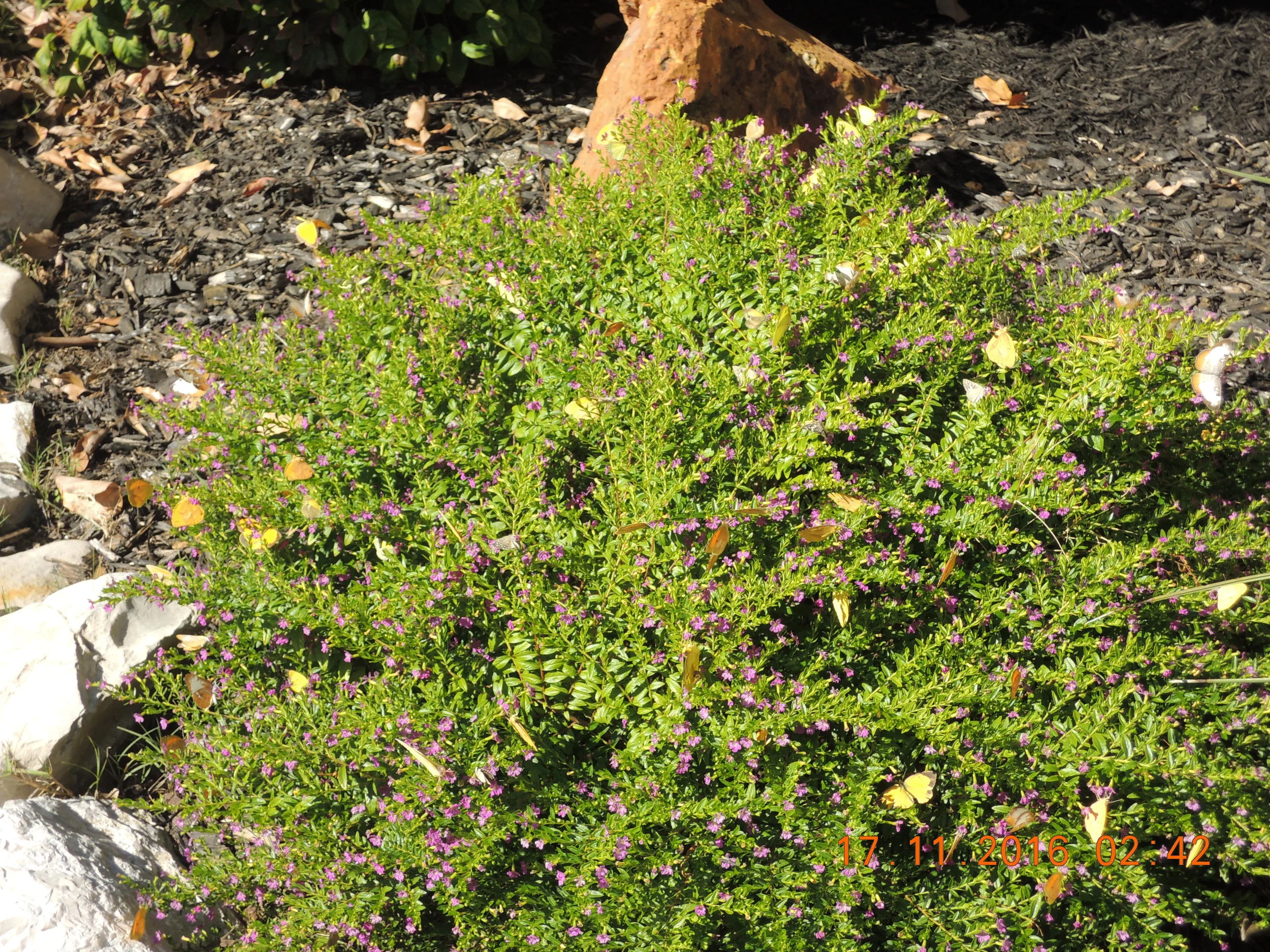
Didn't take a camera with me on that Saturday, so this picture instead of no picture.  Butterflies are all over this plant.  

Didn't take a camera with me on that Saturday, so this picture instead of no picture.  Butterflies are all over this plant.  

RIP, beloved Trip.  I've lost a piece of my soul.  
RIP, beloved Trip.  I've lost a piece of my soul.  
            

Hogs and Internet

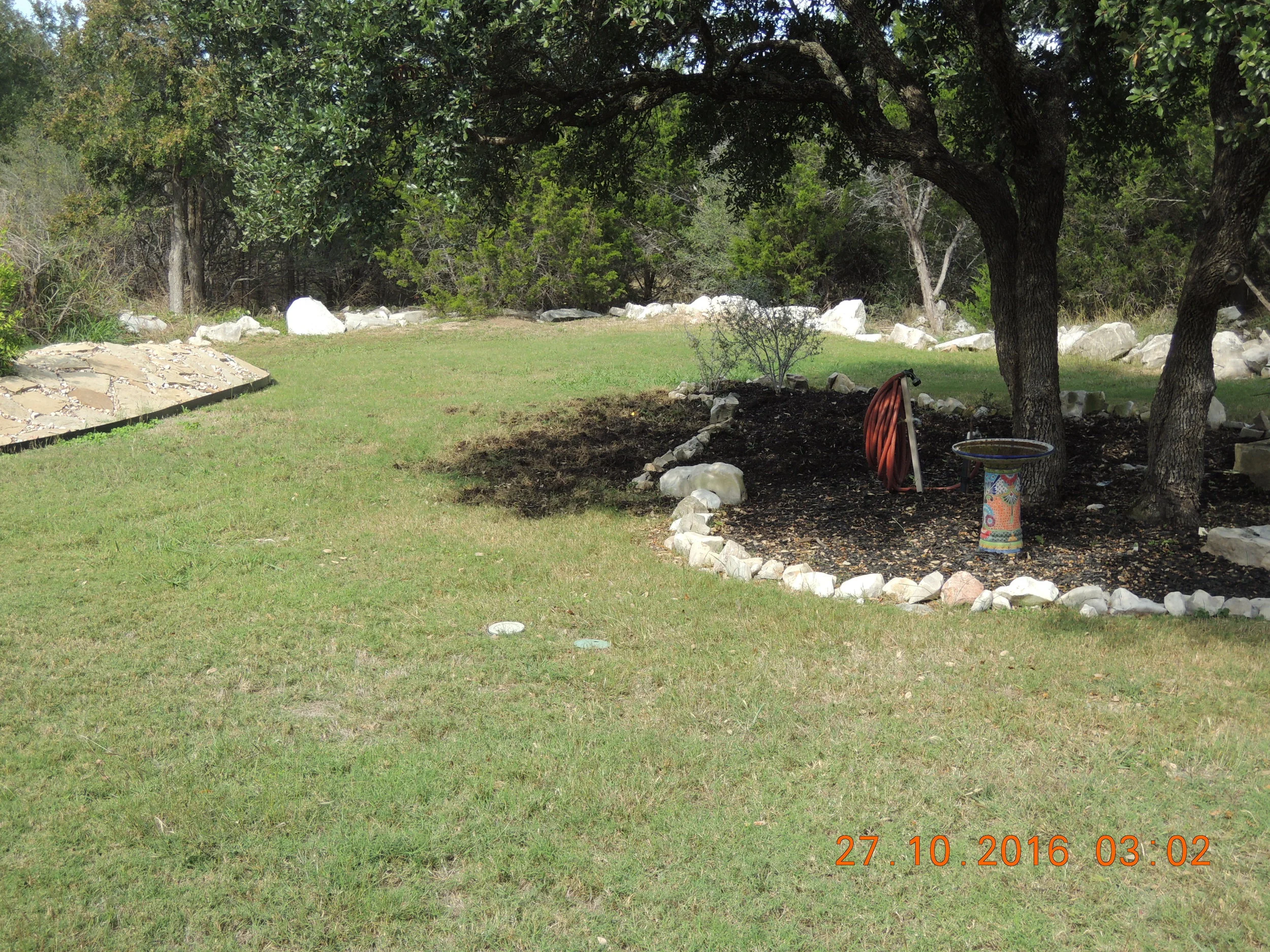
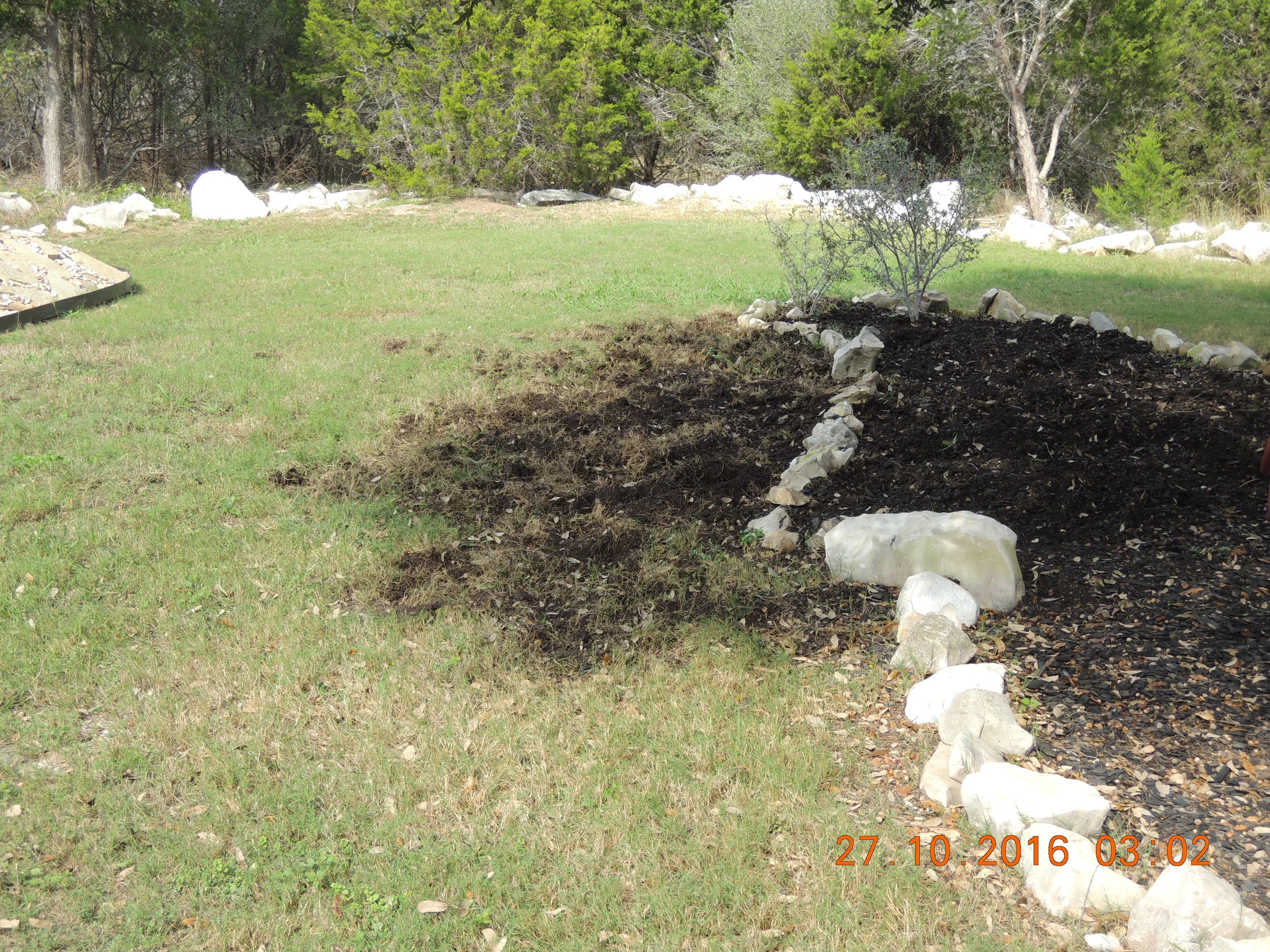
Once again a feral hog has torn up a portion of our backyard, the area between the septic system and the live oak. 

“Perhaps you should sprinkle the area with crushed red peppers,” I tell David, thinking that the hot flavor would be off-putting to a hog. 

David wants to look it up online.  What do other people do when hogs go after their grass?  But we haven’t had internet for a few days.  He canceled Zeecon because it was slow and sporadic, and our new provider has a cap on gigabytes per month.  We used a month’s worth in less than a week, and we don’t even stream.  Calling the provider, David asks for proof of our usage.  But it seems no record is kept. 

“Are you telling me that you have no way to prove that I actually used this much,” he asks, “when I’m telling you that I absolutely did not?”

His tone is calm and condescending, the way he speaks when he’s decided that he’s talking to an idiot.  Because he’s on speakerphone, I’m able to hear both sides of the conversation.  The man on the other end agrees with David that of course there should be some kind of record, but there isn’t.  This is the way the system works, he says, and he’s sorry that David’s unhappy.  So David tells him that he no longer wants to use their service, at which point he’s told that he’ll be charged three hundred dollars for breaking the contract. 

“But you broke the contract when you didn’t provide the service,” David says.  Once again the representative agrees that David has been treated unfairly.  But that doesn’t mean he won’t be charged the three hundred.

Fed up, David ends the call.  He calls three other providers in the area.  Two of them do not service our development, Capstone Ranch.  Another one says he’ll be over the next day to get it set up.  But he never shows.  After staying home most of the day, David calls and asks the man when he’s coming.

“We don’t operate in that area,” the guy says.

“I’ve been waiting all day.  You should have called and told me.”

“Zeecon comes out there,” the guy advises.  Zeecon.  The one David cancelled.  David thanks him and says good-bye. 

“I have a great plot for your new book,” he tells me.  “It’s about what happens when a person can’t get internet in the year 2016 and he goes crazy.”  He looks at me like he expects me to run and start on it right away.

“I’m working on something else right now,” I say.  He does have good ideas sometimes, but this isn’t one of them.  “Does anybody else have a hog problem?”

“Elton says hogs don’t bother him because of his dog.”

This is a sore point with me.  Elton’s dog wanders.  How can Elton claim he loves his dog when he doesn’t pen him?  Dogs have no sense.  They are not people.  They don’t understand what a car or truck can do to them.  One of these days Elton’s beautiful sweet dog is going to be found dead out on 401.  Stupid Elton.

“What we need,” David continues, “is a motion-activated dog barking device.  I could order it online if we had internet.”

“I’d rather not be disturbed by fake barking at three in the morning.  And when it comes on, what are you going to do—run outside and yell at the hog?”

“I’ll shoot it.”  He makes this claim, though we aren’t gun people. 

“And then we’d have a dead hog out there.” 

David calls Zeecon, who doesn’t hold a grudge.  They come out the next morning.  When it’s time for me to go to Mahjong, I go looking for David to let him know I’m leaving.  He’s out on the back deck, looking upward as the two guys mess with the antenna on the roof. 

“How’s it going?” I ask, carrying blind little Trip down the steps and carefully setting him in the grass to do his business.

“They’ve got no line of sight.  They’re reclaiming their antenna.”

“That can’t be right.  We had internet with them before.”  I follow his gaze.  Yep, they’re removing, not installing. 

“They changed tower locations.  They’re recommending Rise.”

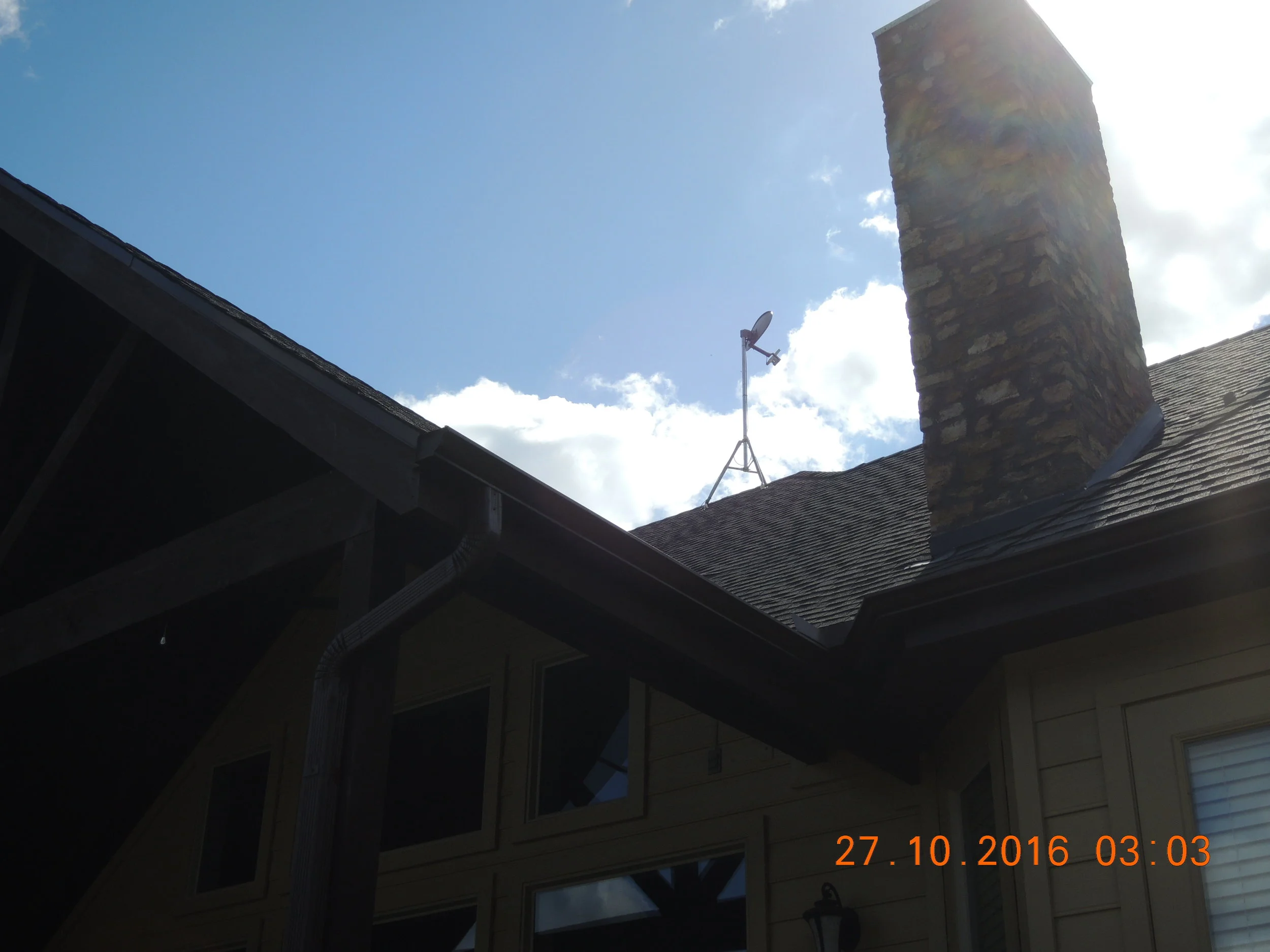
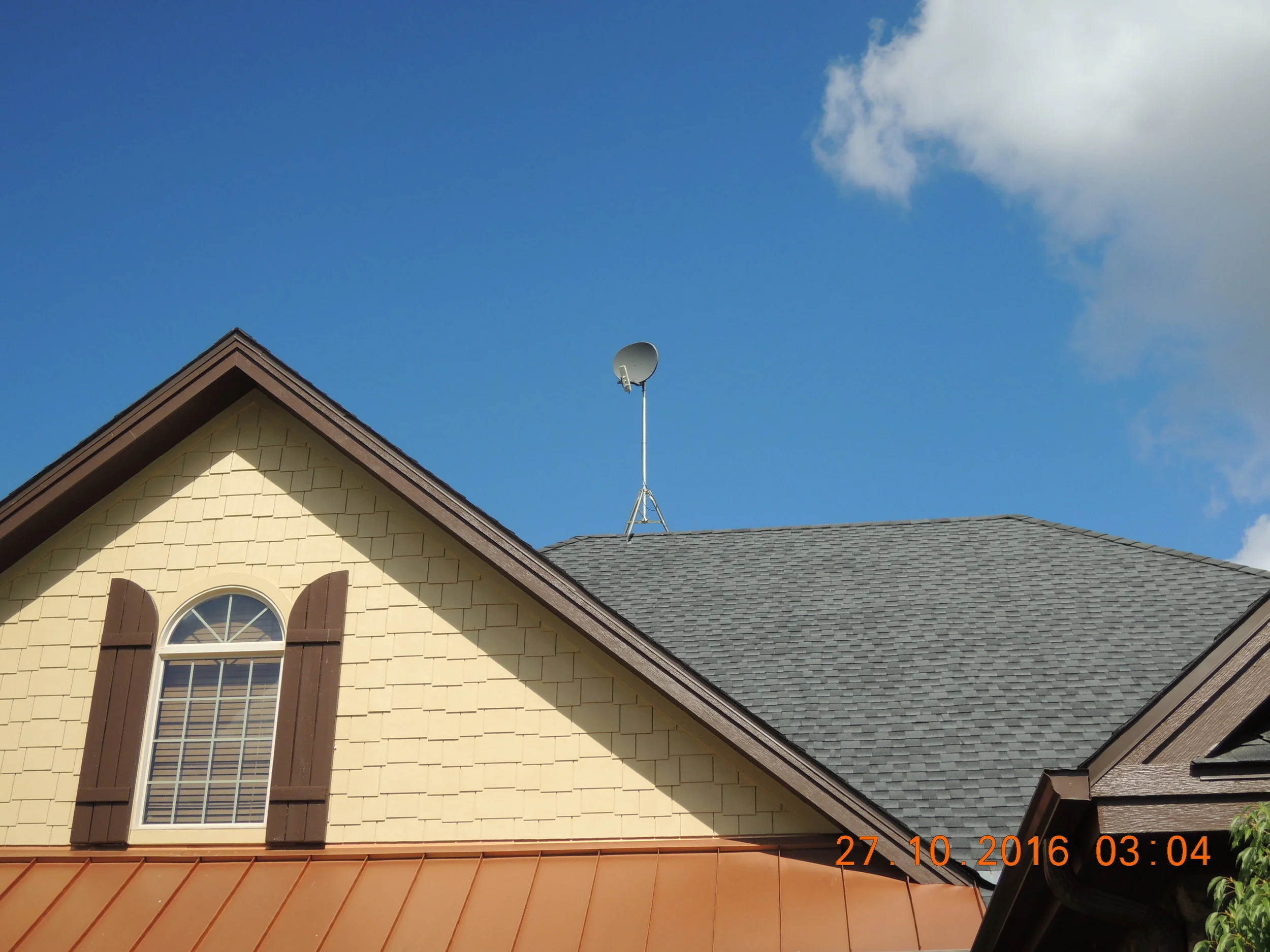
Four hours later, when I get home from Mahjong, there’s a new antenna poking straight up from the highest point of our roof.  David comes out to meet me on the driveway, and we both look up at it.  It’s massive, dominating, completely disrupting the lines of our house.  The whole cul de sac is going to grumble.   

Wayne drives by, rolling to a stop when he sees the monstrosity.  He leans forward and gawks upward as we go out to the street to explain. 

“Are you having hog problems?” David asks.

“Oh yeah,” Wayne tells him.  “What I’ve done is put out mothballs.  I don’t know if it’ll work, but it can’t hurt.”

Mothballs.  Of course.  Much more repulsive than crushed red peppers. 

There it is.  It freaks me out to think of a big ole hog rooting around in our backyard.  

There it is.  It freaks me out to think of a big ole hog rooting around in our backyard.  

Closer, it looks worse.  The grass doesn't look great this time of year, but still. . . 

Closer, it looks worse.  The grass doesn't look great this time of year, but still. . . 

From the back of the house.  At least now we have internet.  

From the back of the house.  At least now we have internet.  

From the front.  Huge.  

From the front.  Huge.  

Waldos Triumphant

We have reasons to celebrate. 

For one thing, Sam and his girlfriend, Julia, visited from Beijing.  I haven’t seen Sam in over a year, but other than a different hairstyle, he’s still the wise and inspiring presence he’s always been.  I say inspiring because he makes people want to live up to their best.  It’s a gift.  He’s been busy getting his company up and running, and a couple of weeks ago Mantra had its official kick-off which triggered a huge number of orders and all sorts of favorable responses, including marriage proposals, requests for television appearances, and rumblings about an upcoming documentary.  The buy-one-give-one concept is new in China, and wealthier people in the city are enamored with the idea of providing eye exams and glasses to poor rural kids—especially as they’re purchasing a pair of really cool sunglasses for themselves.  Yay, Sam!  It was good to see both of them and I feel that Julia—British, works for GB’s embassy in Beijing—got a good idea of what Texas is all about. 

The next thing to be celebrated is that Curtis and Anna are now engaged.  This makes me happy, as the two of them are good for each other.  They share the same sense of humor and are mutually supportive.  I understand, from speaking with other mothers at this stage, that an upcoming wedding can be fraught with conflicts and petty concerns, but regarding these two, I feel a sense of peace.  We love Anna and are happy that she’s to be part of our family.  Yay, Curtis and Anna! 

And then, of course, there’s my personal triumph.  Old Buildings in North Texas is now on the shelves in Great Britain.  It’s obtainable in hardback from Amazon here in the states, and, though both the hardback and electronic versions are available on Amazon.co.uk, UK Amazon isn’t available in the US, so no kindle downloads here.  Oddly, the hardback is much cheaper here in the states, so it’s really no more expensive to order the hardback than it would be to get it electronically.  

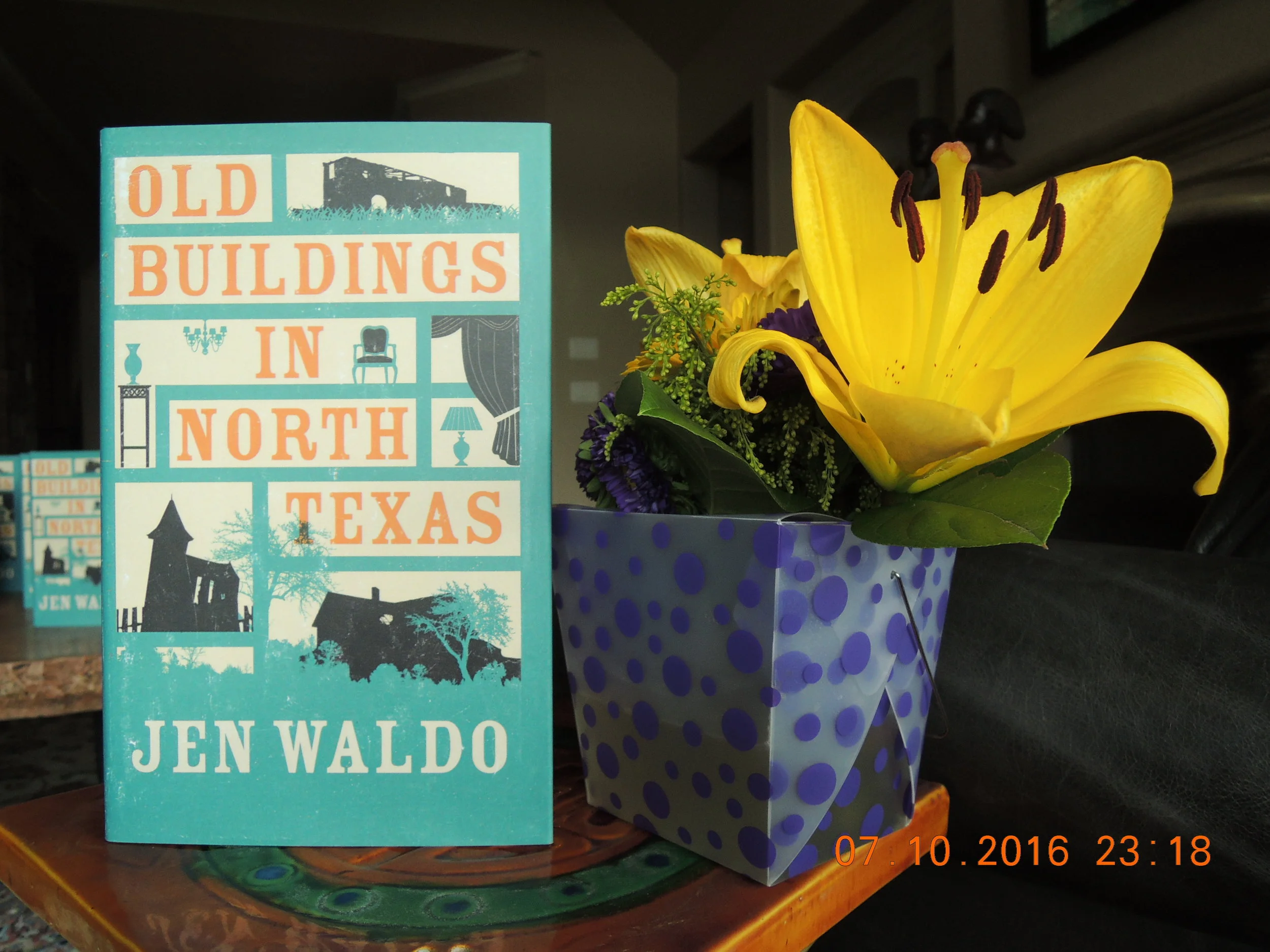
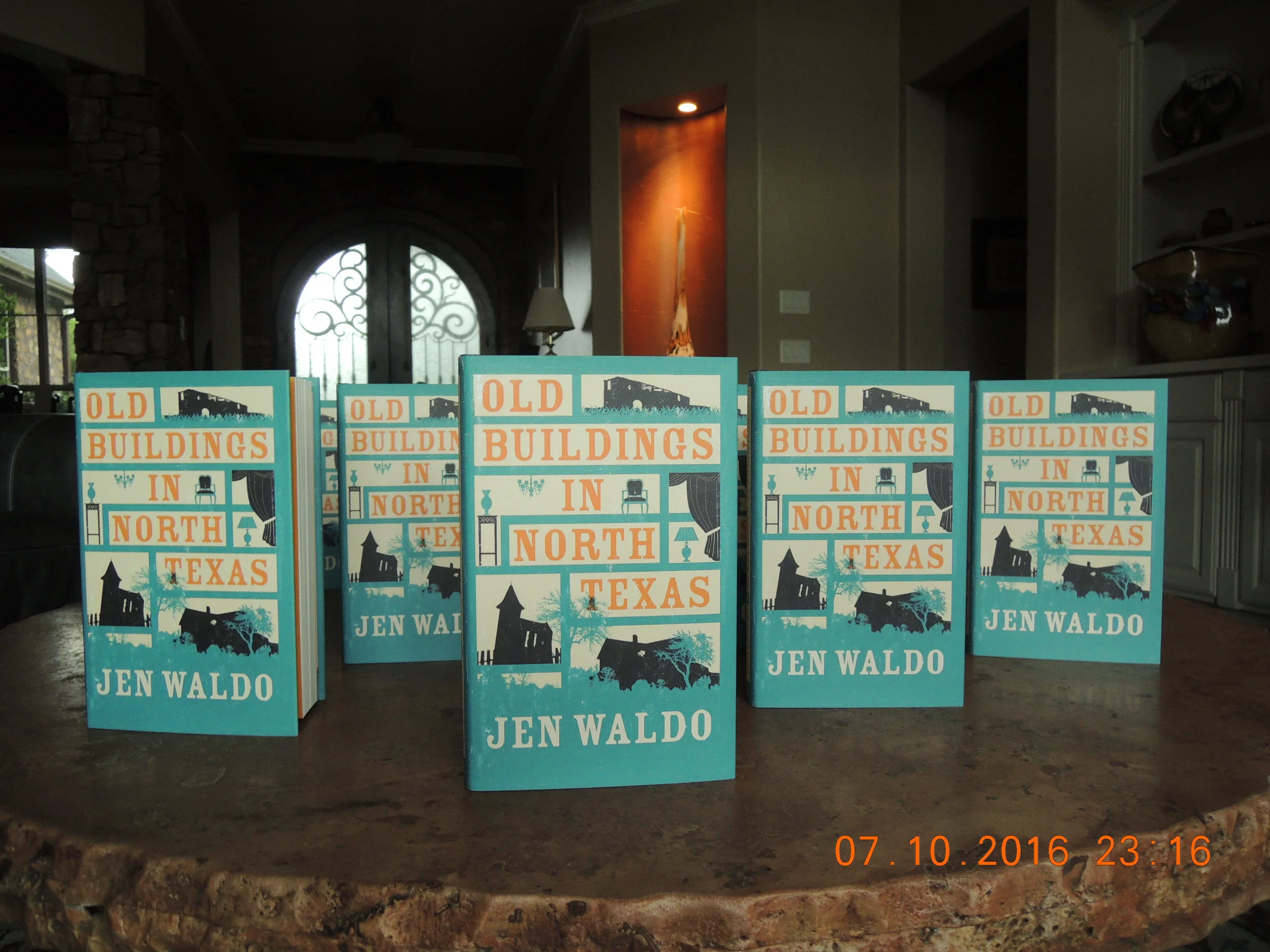
The publishers have done a beautiful job.  The color scheme is teal, gold, and cream, quite eye-catching.  I have several copies and I’ve rearranged them around the house so that I can see one every time I enter a room.  I’m obnoxiously proud.  OBiNT’s success is in the hands of the readers now—and I’ll share a thought about that.

The other day an old friend asked me what the novel was about.  This is a reasonable question that I’ve come to expect.  I gave my friend the nutshell version—a cocaine addict returns to her hometown and, feeling confined, takes up exploring abandoned buildings as a hobby.  There’s more to it than this, of course, but during a verbal exchange this is about as much as the average attention span can absorb. 

As I related the simpled-down version, I could see her expression turning sour.  It wasn’t her thing.  She didn’t approve of a story about a cocaine addict.  She couldn’t imagine how so depressing a subject could be interesting or entertaining.  I wasn’t surprised by her reaction.  I’ve known her for years, and she simply doesn’t read.  Though it’s impossible for me to fathom, many people don’t.  

Despite her reaction, I have faith in the work.  I have, after all, been called, “a unique and astonishing new voice in fiction.”  My writing style is conversational, making it an easy read; it’s amusing, but not shallow.  I love Olivia, the main character, and will admit that she and I share the same dry sense of humor—and I think I’m pretty damned funny.  I cackle over my keyboard all the time.  My friends who’ve read Old Buildings in North Texas tell me that, as they progress through the narrative, they hear my voice in their heads.  Whoa.  That can’t be pleasant.  Try not to do that. 

As to the response to the book, people who know me will be more critical than strangers.  I don’t know why, but that’s the way it is.  And people who don’t know me will think they do, simply because I’m that convincing.  So let me be clear:  I am not a cocaine addict.  I do not smoke, though I sympathize with those who do.  I don’t venture into abandoned buildings.  And I don’t endorse secretiveness and stealing.  On the other hand, people who are good all the time are boring, while flawed characters are stimulating. 

And so, as Old Buildings takes flight, I request positive and supportive feedback.  A five-star rating, and especially a comment or review on Amazon would mean a lot to me. 

Now I move on to Why Stuff Matters, my next novel, which will be on the shelves in the next six months, give or take.     

Sam and Julia gave me flowers to celebrate.  

Sam and Julia gave me flowers to celebrate.  

An army.  I plan to save them to autograph at readings.  I'll send an autographed copy at cost (don't want to go broke!) to anyone not named Waldo who promises to write a review on Amazon.    

An army.  I plan to save them to autograph at readings.  I'll send an autographed copy at cost (don't want to go broke!) to anyone not named Waldo who promises to write a review on Amazon.    

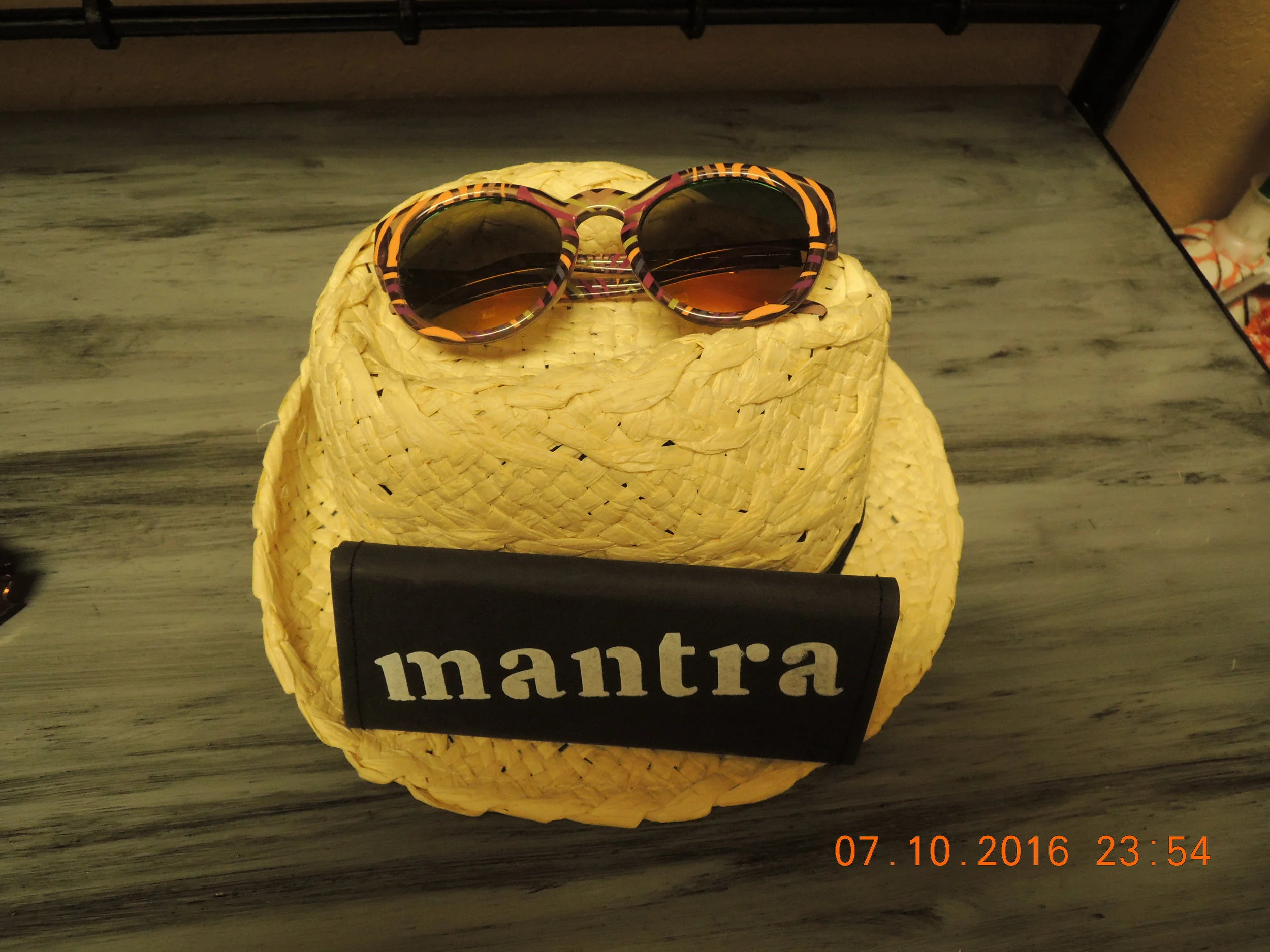
I made an advertising tableau of the sunglasses Sam gave me.  The lenses are polarized and mirrored.  I like mirrored lenses because people can't tell that I'm asleep.  

I made an advertising tableau of the sunglasses Sam gave me.  The lenses are polarized and mirrored.  I like mirrored lenses because people can't tell that I'm asleep.  

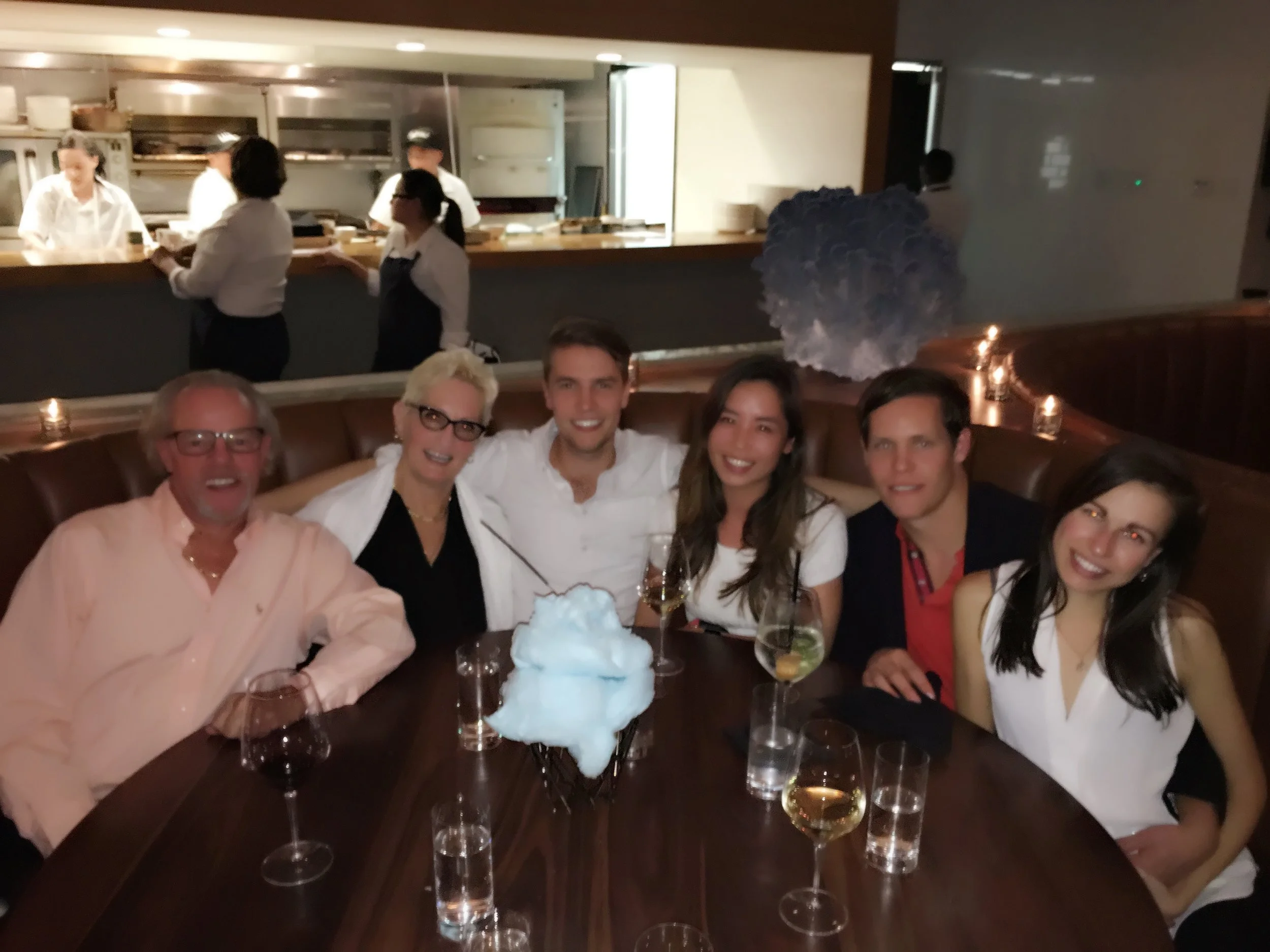
Here we are at Saltair, in Houston. Though the red eyes make us look possessed, we're really quite normal.  It was a great evening.   

Here we are at Saltair, in Houston. Though the red eyes make us look possessed, we're really quite normal.  It was a great evening.   

Time and Effort

On Sunday morning we decide to go into Austin for a walk along the lake, and then brunch afterward.  Austin is an easy drive, forty-five minutes of pleasant hill country, and no traffic.  And in the city there are always interesting things to look at and do, but for some reason we don’t come in as often as we’d like. 

I park on Third and Congress, a few blocks from Lake Austin.  We walk past trendy shops, all closed on Sunday morning, to get to the walking trail, which stretches for miles in both directions, on both sides of the lake.  David had a hip replacement a couple of weeks ago, and I’m having a disc fusion next week, so we’re both sore and feeling sorry for ourselves.  Both athletes and fatties populate the trail.  The fatties only get out of their chairs when their partners make them.  We slip in between two other couples, joining the long queue of walkers and adjusting our pace.  I laugh and David asks, “What?”

“I wonder how long it’ll be before thinking about that stupid vest stops making me laugh.”

Then he laughs too.  The vest is hilarious. 

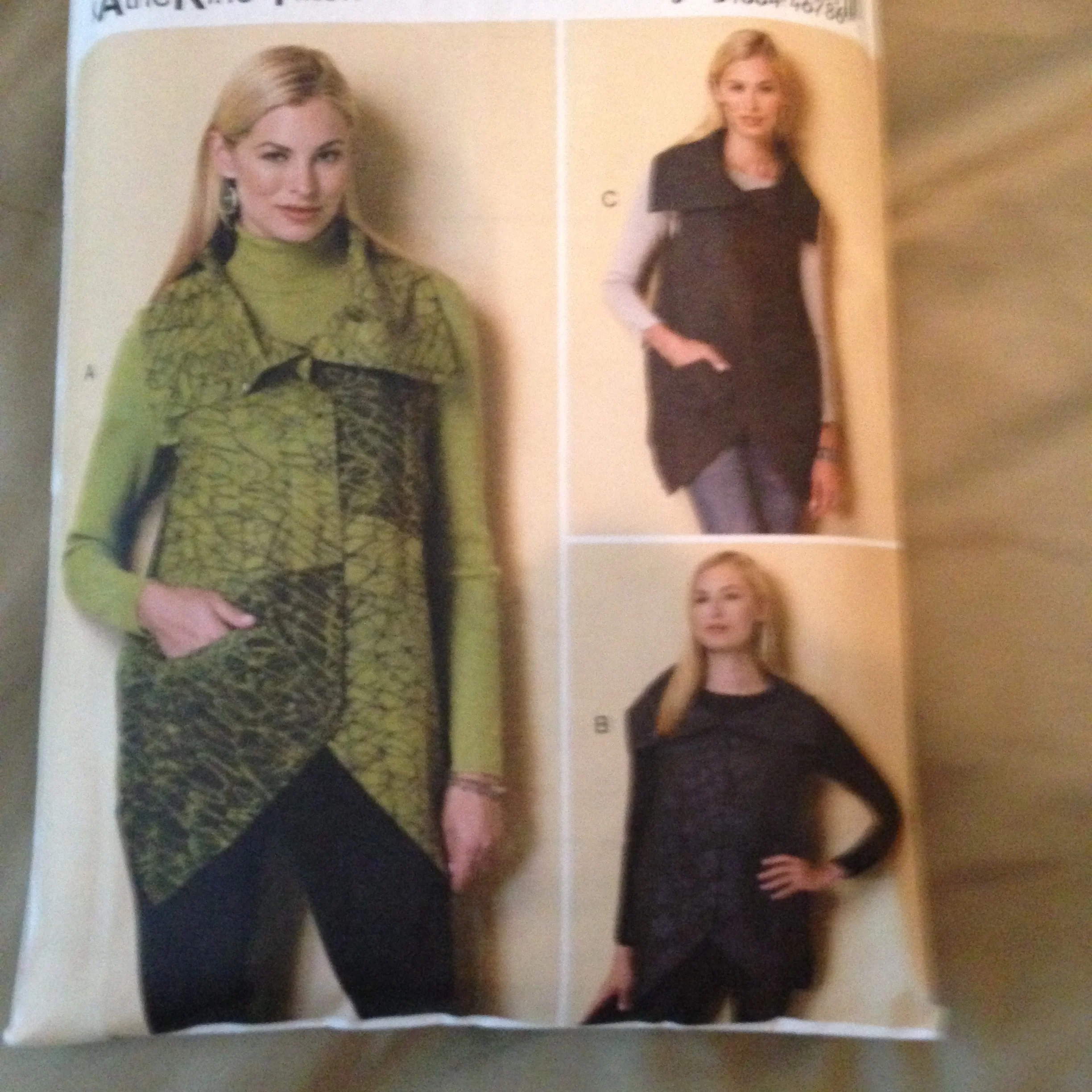
I’ll start with the silk:  Mossy green.  I got it in Cambodia a couple of years ago.  At the time I also bought a couple of yards of yellow, from which I made a lovely top—but it fell apart after only a couple of wearings, so I’m not talking about a durable weave.  And for this reason I didn’t want to invest a lot of time or effort into the green.  I ordered a vest pattern from Butterick, thinking foolishly that vests are always quick and easy, and they make a nice accessory.

Every pattern comes with a size chart and, sensible as always, I took my measurements and ordered accordingly.  While the retail world panders to customers’ egos by vanity sizing, patterns have remained true to their sizing for over a hundred and fifty years.  In a store I’m a ten, but as far as Butterick is concerned, I’m a fourteen, which is, frankly, more believable.    

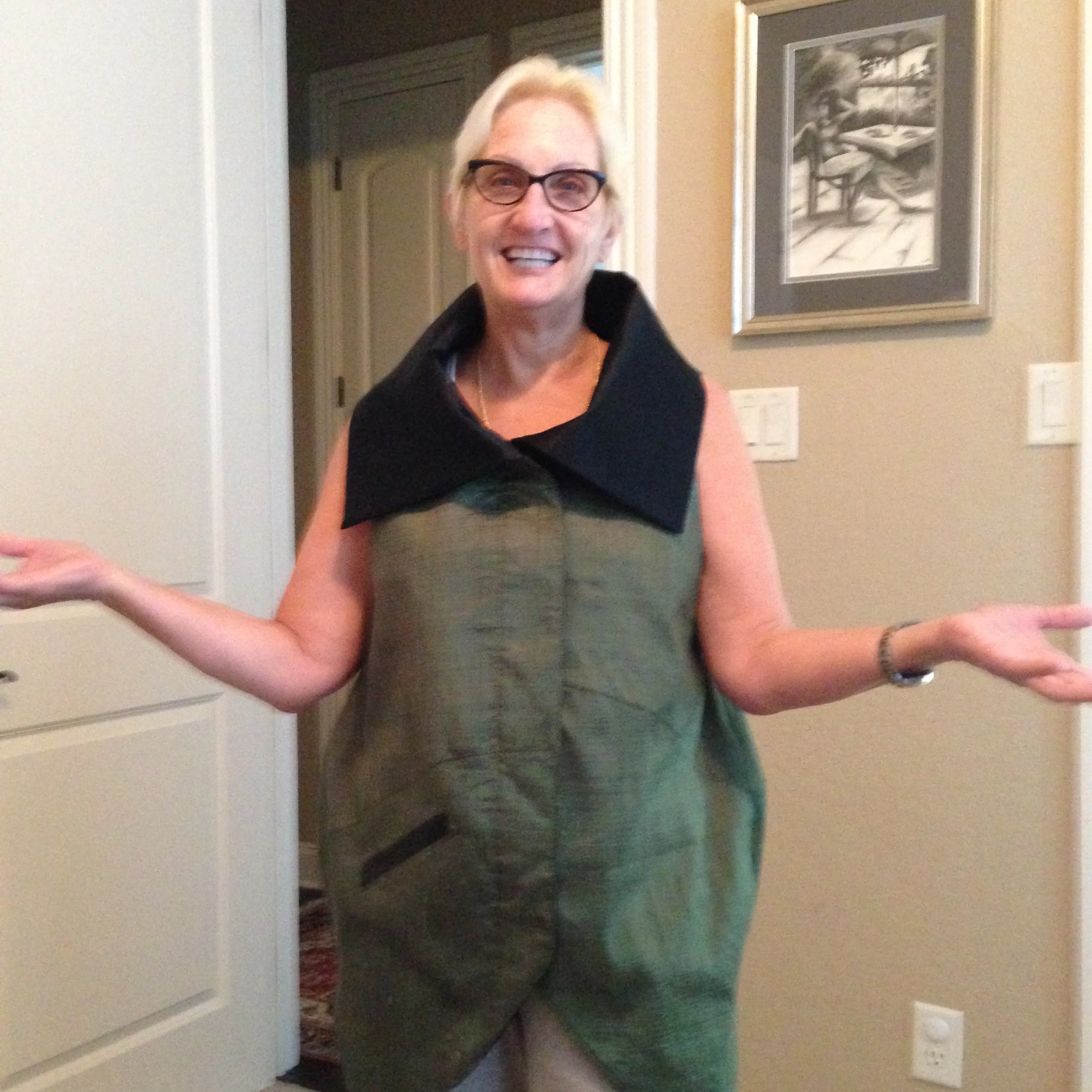
The vest was far from easy.  With a hidden fly, complicated facings, and a zigzag hem, I was in a state of mossy confusion the whole time I was making it.  Every couple of hours, I’d go find David and say, “I cannot imagine how this thing’s going to look,” or “This vest is going swallow me.”

This is the longest walk David’s been on in several months, and his limp is becoming more pronounced.  Honestly, I can’t wait until he gets beyond this.  I have no patience with his stopping to stretch every few minutes.  Also, while people-watching in Austin is always entertaining, there’s construction going on all over the place.  We’ve taken detours over root-roughened terrain and, at times, have been instructed by orange cones to walk in the street.   

“Are you ready to turn around?” I ask.

“At the next bridge.” 

The bridge is broad, with benches, planters overflowing with green, and a generous view in both directions.  A man with a telescope invites us to come look at sunspots.   

“It’s fixed just right,” he says.  I hunch over, see the sunspots, and am unimpressed.  “You saw ’em?” he asks, excited.

“Yes.”

“Did you know that this is International Solar Sidewalk Sunday?” he asks.

“No, I didn’t know.”  And this does impress me.  That we should be walking on this very day, when people all over the world stand on sidewalks and talk to strangers about sunspots, seems wondrously serendipitous.   

David, too, looks at the sunspots, though he does a better job of pretending to be excited than I.  We continue to the other side of the bridge, inadvertently arriving at the dog park, which is smelly and chaotic, with dogs chasing each other, barking, flying into the water.  My little dog, Trip, would be scared to death of this place.  He’d be trembling in my arms, begging me with his blind eyes to take him to safety. 

Back to the vest, which has nothing at all to do with the garage.  We’re getting the garage remodeled, the reason for which eludes me; but apparently this particular garage floor and that space-saving shelving, have always been a dream of David’s.  The floor:  first, two men sanded, power-washed, and hit it with a shiny adhesive; then they sprinkled multi-colored chips, let it stand for a few days, sanded it again, and covered the whole thing with a layer of epoxy that made the whole neighborhood woozy.  Apparently this type of flooring is much coveted.  Many manly men have dropped by, whistled, admired, and made plans of their own. 

When I finished the vest, David was in the garage patching the drywall in preparation for the installation of the shelving, which will take place in a few days. 

“Are you ready for a laugh?” I ask, poking my head into the garage.

“What?” David looks up, sees me step on to the new floor wearing the vest, and laughs.  “You look like a munchkin.”

“I guess I’ll have it if I ever need a costume.”  I’m both horrified and despondent.  I ended up spending twenty hours making the thing, when it should’ve only taken four.  “It doesn’t look anything like the picture.  The picture looked cute.  This looks ridiculous.”

“If I were you, I’d write a letter of complaint.”  David is a letter-writer.  I am not.

And the memory of the vest is why we chuckle on the Lake Austin walking path.  When we’ve returned to our starting point, we head toward brunch.  True Food.  It’s all about organic.  I have a Greek salad with hummus, always a good choice.  David orders the best pancakes he’s ever put in his mouth.  I try a bite of his.  He’s right.  They’re wonderful.

“One hundred percent natural.”  He’s impressed that natural can also be tasty.

“Organic doesn’t mean it’s not fattening,” I say. 

“It must be healthy, though, because it’s natural.”

“Just keep telling yourself that.” 

He slathers on the natural butter, pours on the natural syrup.

A couple takes the booth next to us.

“Look,” I say.  “It’s Howard and Bernadette, from The Big Bang.”

“Wow.  It is.”

These two people have gone to a great deal of trouble to look like characters from a sitcom—over-sized buckle, hip-huggers, and bangs for him; the shellacked golden hair, glasses, and short-waisted dress for her.  They spent time and effort in order to look like a popular TV couple; I spent time and effort on an article of clothing I’ll never wear.  Which is more stupid? 

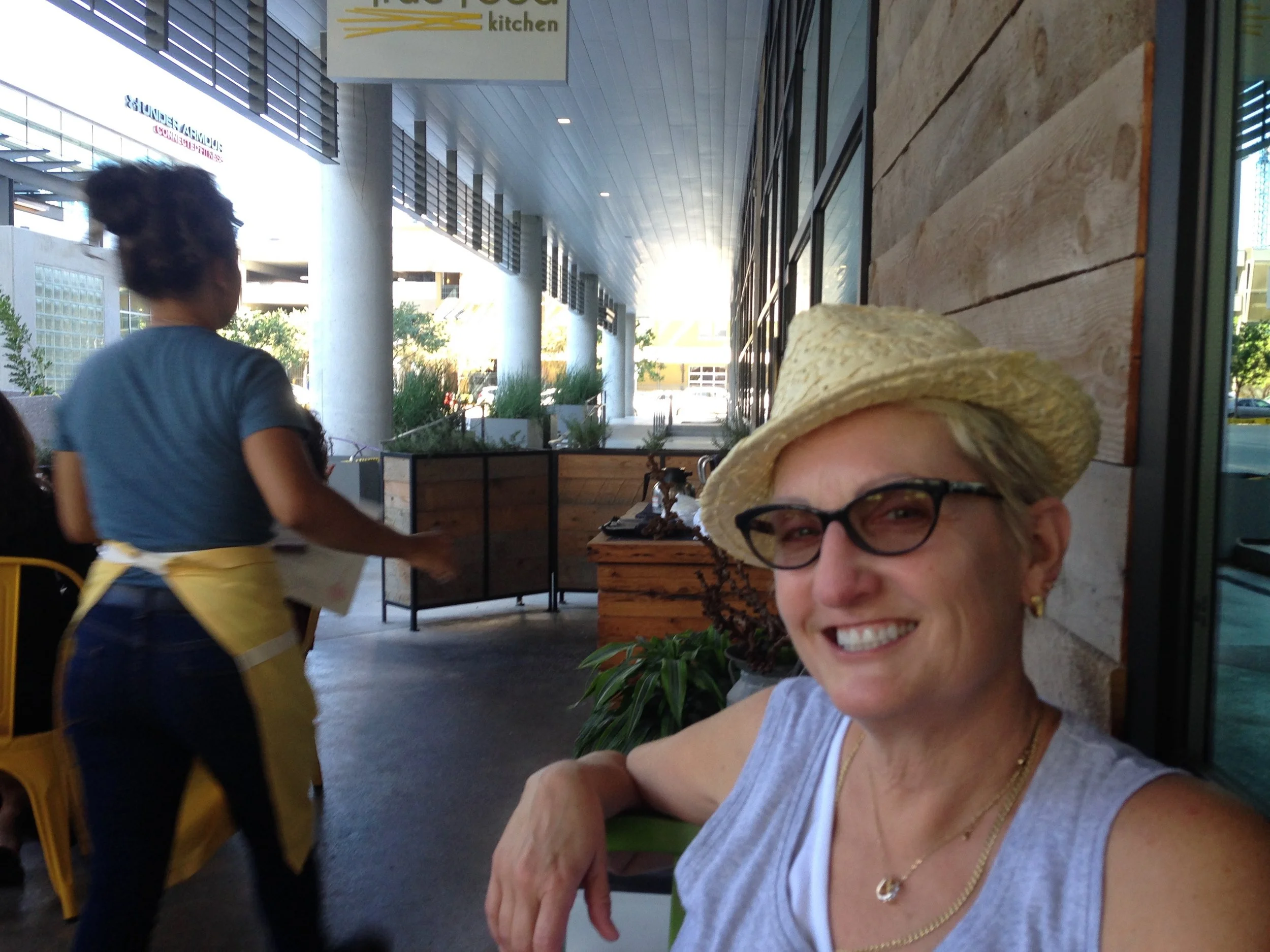
True Food, a trendy brunch spot.  The Bloody Mary was good.

True Food, a trendy brunch spot.  The Bloody Mary was good.

View from the bridge.   

View from the bridge.   

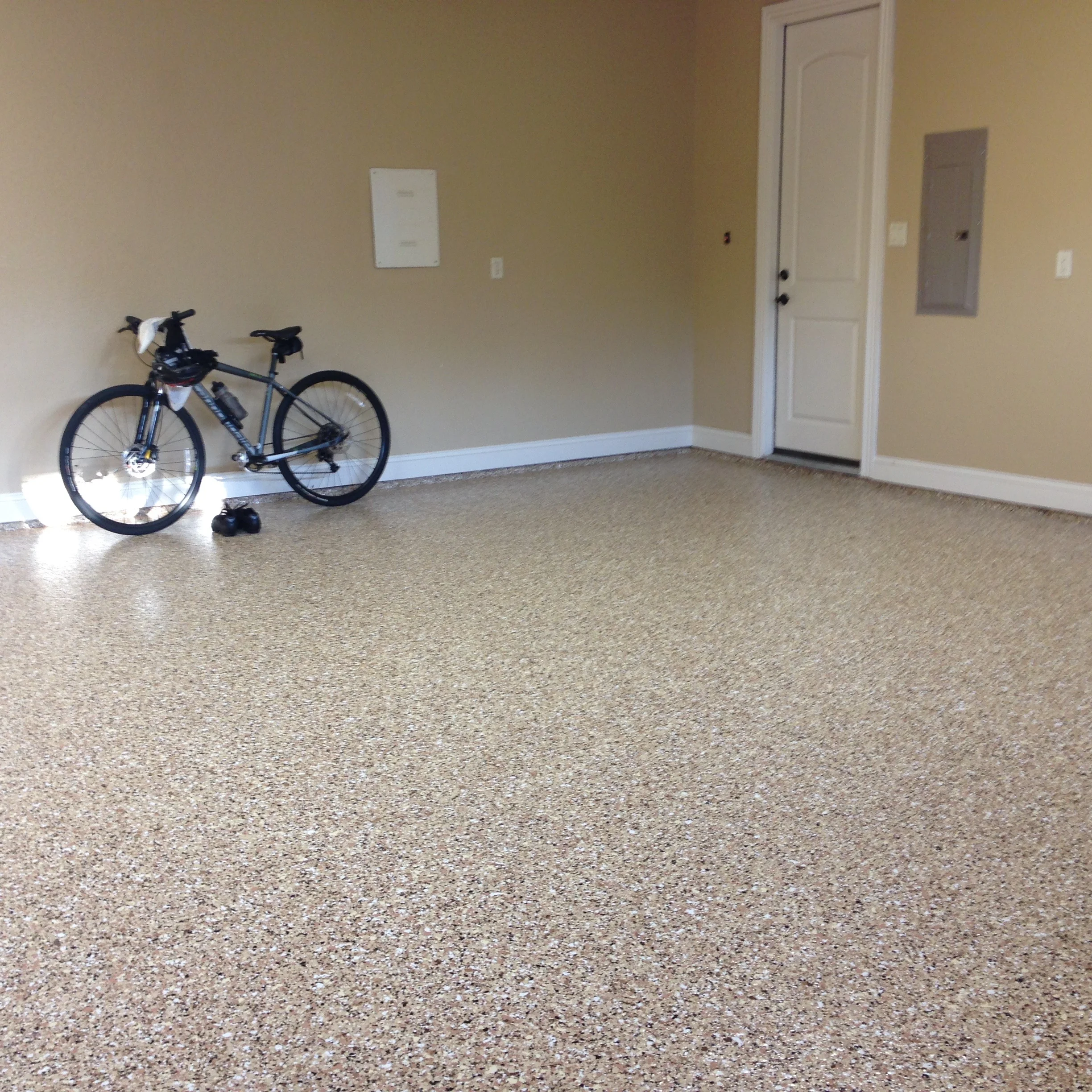
If there's a competition for the most beautiful garage floor, we'll win it for sure.  

If there's a competition for the most beautiful garage floor, we'll win it for sure.  

This is what the vest is supposed to look like.  

This is what the vest is supposed to look like.  

What the what?  This thing is never leaving the closet.  

What the what?  This thing is never leaving the closet.