Tour Gang

Wet, cold, and worn out after dog sledding on the glacier, we arrive at the Kenai Riverside Lodge at around four.  We’re all shown to our separate cabins, where our luggage has magically appeared.  The cabins are well appointed, with rocking chair porches, cozy quilts on the beds, and shelving and hangers so we can get organized.  The bathroom belongs to a long-legged spider who intends to spy on our private business for the two nights we’re here.  The small desk in front of the heater is appreciated, as I get up early to write, a routine I never mess with.

Before we settle in, Elias, our guide, gives us a tour of the lodge.  He walks, points, talks.  There’s the place where we check in.  This is the boathouse where we’ll meet for the raft trip tomorrow morning.  Here’s a centrally located building that consists of a sitting area, a bar, and a dining hall.  The bar attracts my interest and as soon as we’re released from the tour, that’s where I go to request a Malbec.  Then I make my way to the large deck, conveniently located right in front of our cabin, that overlooks the broad, fast-running Kenai River.  Some of our tour mates, not as interested in a glass of wine as I am, are already there.  David shows up with a beer and, relaxing into the chairs that overlook the foaming water, we all begin the process of getting to know one another. 

Purists can be snooty about packaged tours.  And at times I’ve felt the same way.  I would never, for instance, go on a pre-paid tour of self-explanatory sites like The Great Wall or Pompeii or Petra.  But there are some places where the act of arranging your own transportation is so difficult and time-consuming that it overshadows the pleasure of being there.  Alaska is that kind of place.  During our explorations we’ll go to remote locations that can only be accessed by boats and helicopters, all arranged by our tour company.  All that’s expected of us is to pay, sign, and show up.  Nevertheless, the notion of traveling in close proximity to six other people for a long period of time causes anxiety.  There’s the risk that someone in the group might be annoying; and I tend to be intolerant.  Here are my early impressions: 

Dawn and Ronnie, of our generation, are traveling with their son, Adam, and their daughter-in-law, Laura.  They’re from Alabama.  To my shame, I look for things to not like about people before I look for things to like.  But to my delight, there’s nothing negative here.  These are entertaining people, offering a plethora of interesting characteristics.  A southern accent can be misleading.  A drawn-out twang can give the impression of slow thought.  And these canny folk, fully aware of the misperception, proudly embrace the drawl of their heritage.  The two men are savvy business successes—Ronnie recently sold a large business that he built from the ground up, and Adam is a busy builder who owns his own company.  The four family members are smart and deal with each other with kindness and humor.  The two men are very much alike and sometimes seem to communicate without verbal exchange.  And Dawn, the matriarch, is relaxed and open-minded.  She’s got thoughts of her own, but is content to let things flow; non-controlling, which tells me she thinks highly enough of herself that she doesn’t have to be constantly proving that she’s in charge. 

Adam is quiet and at first I think he’s reticent, perhaps grouchy.  But then I hear his laugh, and though I’ve heard about an “infectious laugh” this is the first time I’ve ever actually come across one.  It’s a quiet, almost sneaky, “heh, heh, heh,” that makes me think—well, no wonder that beautiful girl married him.  I bet she laughs every minute of the day.  Also, it turns out that he’s a wild man, a rule-breaker; during our brief stay at the Kenai River Lodge, he over stoked the sauna, almost catching it on fire, and snuck in to the forbidden staff area to use the dryers (heh, heh, heh).  (All the places we stayed were tediously, yet justifiably, energy conscious.)  If Adam doesn’t like an imperative, he simply ignores it.  I envy his audacity. 

Laura, with merry eyes and a head of brown curls, wins my heart when she says she loves to read.  Some people don’t read, and I don’t understand this.  Laura is an enthusiast, up on all the latest writing websites and current authors.  Discovering that I’ve got a novel coming out in the UK in September, she pulls out her phone, calls up Amazon.co.uk, and searches for the title, Old Buildings in North Texas, where the blurb is offered and I’m described as an “astonishing new American voice.”  Apparently it’s available for pre-order, and will be out on the fifteenth of September.  I didn’t know about this.  Shouldn’t I have known?  

“I’m going to receive twenty copies from the publisher,” I tell her.  “I think I should do something promotional with them, but I don’t know what.”  I imagine the hardbacks lined up on my shelf.  I guess I might give a few to friends or family members. 

“You’re supposed to offer signed copies on your website,” she tells me. “Your fans will definitely want them.”

See why I like her?

The remaining two people are Dennis and Cheri, from Missouri.  Cheri is the one I have the most in common with.  Like me, she gets skittish when she doesn’t know the plan.  She and I enjoy the same things—quilting and reading and working on our various projects.  We’ve raised our kids and aren’t outgoing, though I think she’s even more introverted than I am—she doesn’t even play Mahjong!  Most notable about her husband, Dennis, is that he’s courteous.  Every time we must clamber in or out of the van, he’s standing with a hand out to support the ladies as we navigate the gigantic step.  Retired now, he spent his career as a federal watchdog, investigating union corruption.  Fascinating. 

“Wow,” I say, leaning forward greedily.  “I bet you’ve got some stories to tell.”  I’m always on the lookout. 

“Oh, I could tell you stories.”

But, though I indicate an interest, no tales are forthcoming.  I sense that there’s bitterness there, as though he’s unhappy with the way the job came to an end.  Or maybe he simply doesn’t like to talk about himself.  Depths unplumbed; I hate it when there’s something I don’t know. 

Time for dinner.  Filet mignon, so tender it melts in my mouth.  Delicious roasted potatoes (never met a potato I didn't like), grilled vegetables, salad, freshly baked bread.  Dessert, rich and creamy.  And this is how we all learn that we're going to gain weight in Alaska.  
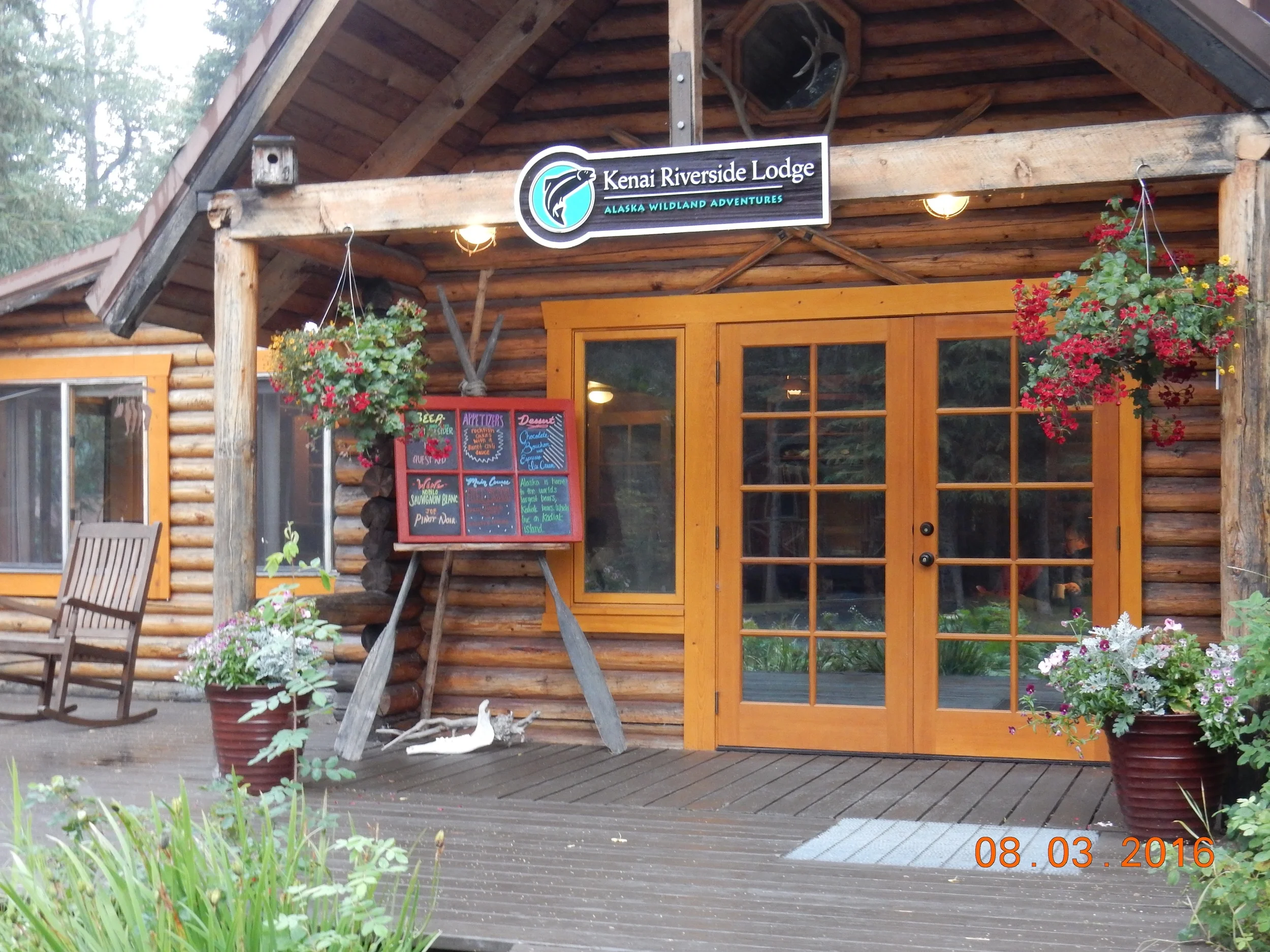
Isn't it a welcoming frontage?
Isn't it a welcoming frontage?

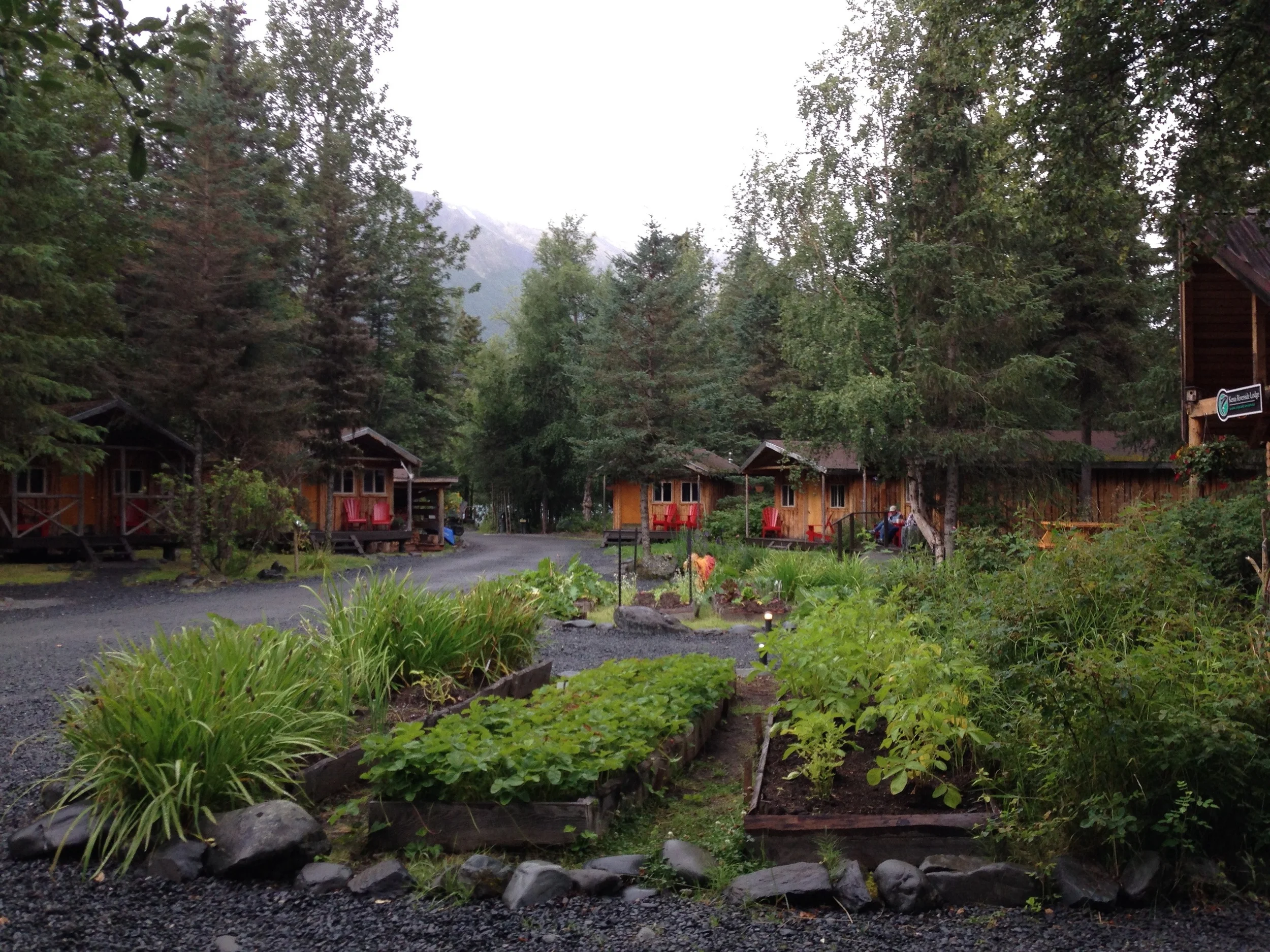
The cabins.  Ours is further back, near the river.

The cabins.  Ours is further back, near the river.

The Kenai River from the viewing deck.
The Kenai River from the viewing deck.

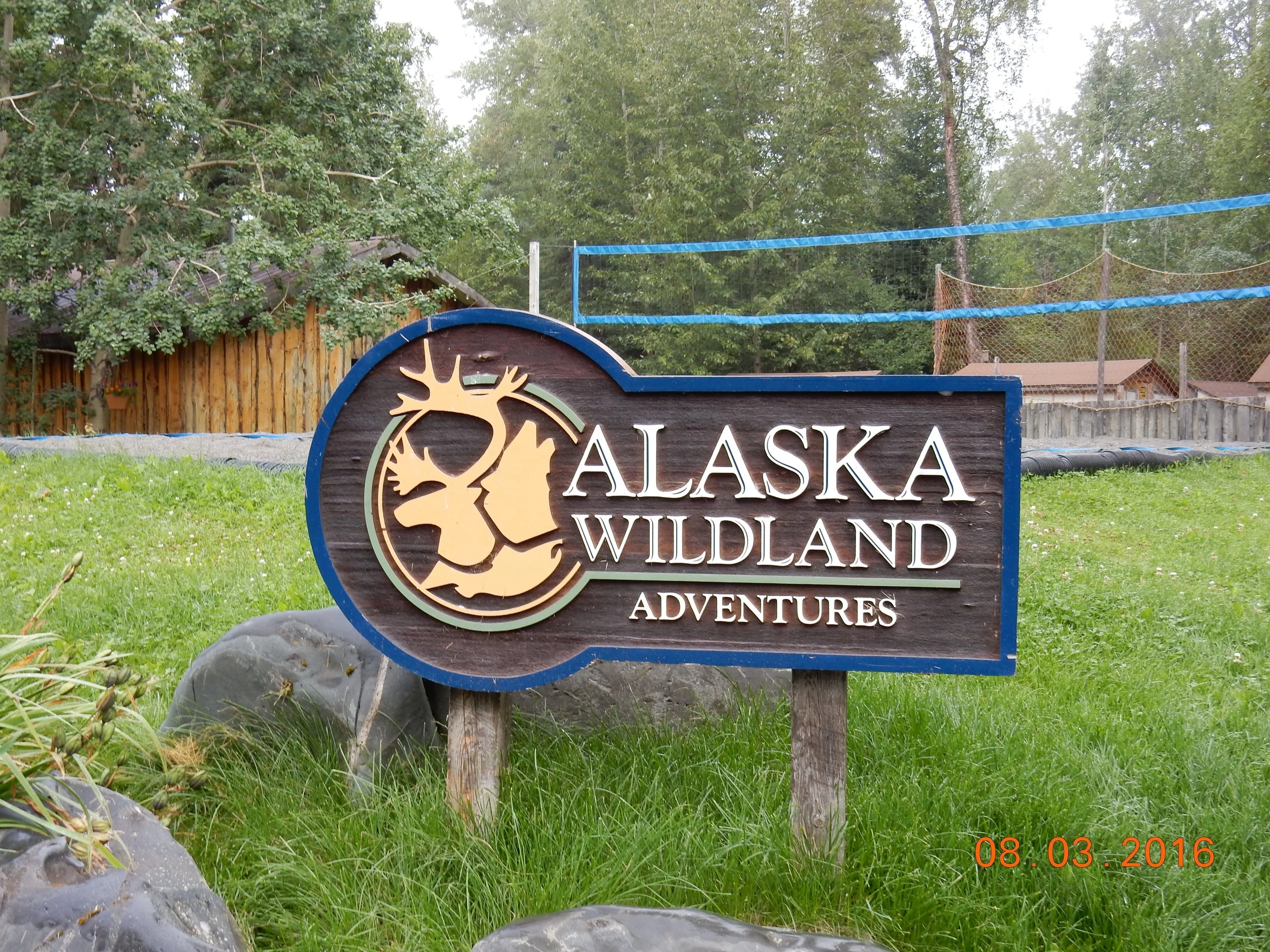
The name of our touring company for those who'd like to see Alaska.  
The name of our touring company for those who'd like to see Alaska.  
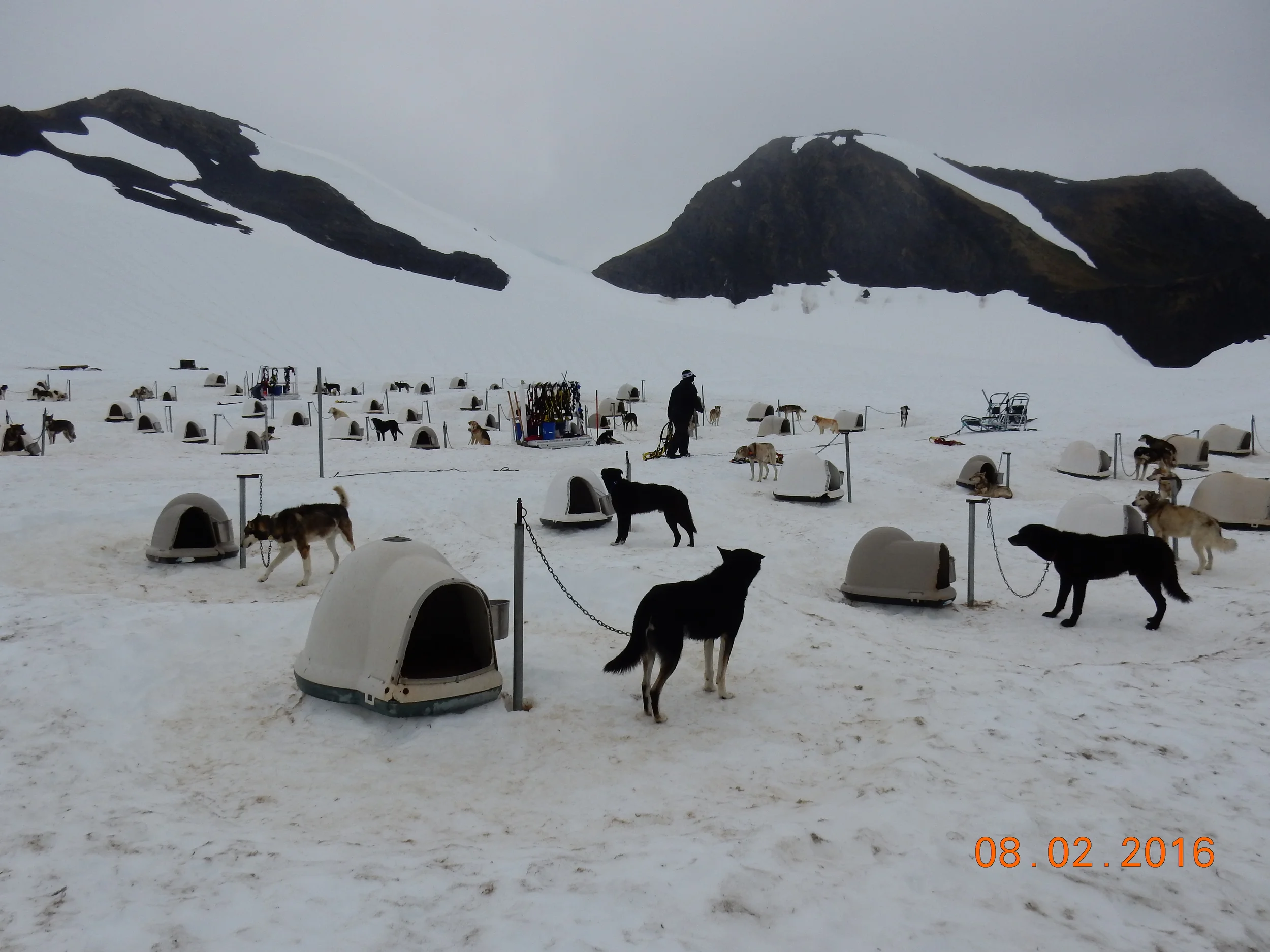
Dogs on a Glacier

On our first morning in Alaska we meet our guide and traveling companions in the lobby of the hotel.  Elias, the guide, is welcoming and condescending.  I like him immediately; I’ve always enjoyed arrogant men.  There are eight people in the group and we go around the circle and introduce ourselves, then immediately forget each other’s names.  We’ll be together for the next several days, so I imagine we’ll know more than names by the end of this.

From this point we begin the journey to a dog-training site on a glacier where we’ll learn about mushing.  We were instructed to dress warmly.  I wear long johns beneath quick-dry pants; on top, four layers—two wool, one fleece, and a rain jacket.  Putting on this many layers is labor.  And fashion has no place here, a circumstance that is always sad. 

It’s a two-hour drive to the helicopter that’ll lift us to the glacier.  The journey is broken by a couple of short ambles across boardwalks over swampy areas, with brief commentary offered by Elias.  This is the first time we hear about the earthquake of ’64, when the land dropped ten feet and huge areas were flooded with seawater, which caused the trees to die.  These trees now stand, forlorn, skeletal silhouettes, preserved by the salt.  They are called ghost trees and it’s against the law to cut them down because they’re part of Alaska’s history.  (We’ll hear about these ghost trees at least three times a day during our stay.  This is because guides are required to constantly share tidbits, and the number of tidbits is limited.)  Everybody takes pictures of the trees.     

The drive is on a well-maintained highway, bordered by the Cook Inlet on one side and a glacier river on the other.  There seems to be a lot of water.  Gushing or placid, creeks and rivers, tiny trickles between modest rock formations, and dynamic splashing falls from impressive cliffs.  Water, water, water.  Also, rain.  All this wetness has an effect on our reactive human bladders.  During the two-hour drive we must make three toilet stops, all at public non-plumbed toilets. 

The helicopter depot also has an outdoor closet toilet, which leads me to my first Alaskan conclusion:  plumbing is a luxury here, and someone is making a fortune by providing inexpensive, smelly facilities for the tourists.  Before we clamber on to the helicopters, we don even more rain gear—an additional raincoat, rain pants, gloves, and rain boots over our hiking boots.  Staying warm is hard work.  Take a picture. 

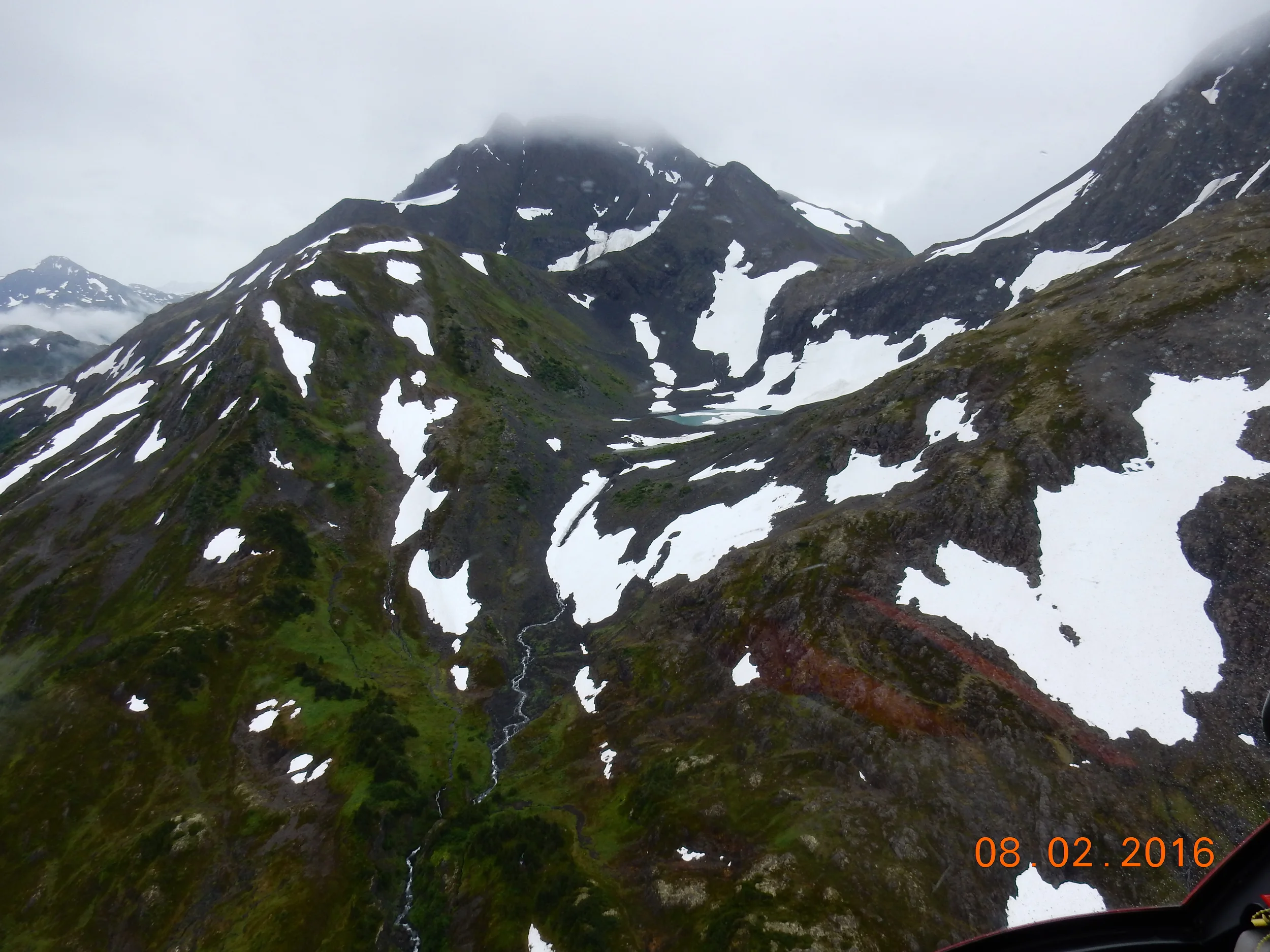
A helicopter ride to the top of a glacier—eh, I’ve done it before.  But it allows us to experience the panorama that Alaska is famous for.  It lives up to the hype.  Spectacular jutting peaks, gray with splotches of snow.  A painfully blue sky giving way to rolling fog.  Intensely virginal.  The cameras go click, click, click. 

Alighting adjacent to the camp, another tourist group leaves as we arrive.  Beyond the landing point, sixty dogs bark and run circles around their shelters, eager and thrilled, as though we’re the first bundled people they’ve ever seen.  We’re greeted by a red-cheeked young woman, who immediately begins telling us about our surroundings.  And look—there’s a perfect spot for picture taking. 

The ice is thick and we slide with every step.  The camp is owned by Mitch Seavey, a multi-time Iditarod champion.  It is understood, but not discussed, that our tourist money finances his dog-mushing passion.  The Iditarod is explained—where, how often, how far, its history.  Distracted by the shrill yipping and the cold, I absorb very little of the information.  Expecting to see huskies, I’m surprised by the mixed-breed look of the animals.  I’m not sure how many people work on this glacier, but four are in view.  Our hostess explains that she and her co-workers live up here full-time during the summer, then move the animals off the mountain during the winter.  As she talks, one of the dogs drops a steamer.  Another worker, a young woman, rushes out with a shovel, scoops it up, and carries it away.  I imagine they need to be on top of the poop or the whole glacier would be brown. 

We’re told that a significant aspect of the sport is dog selection.  A good sled dog should be lean, strong, social, and possess exceptional stamina.  We’re led through the mechanics of sledding—going and stopping, balancing and steering.  We watch as the excited dogs are led to the lines.  More pictures. 

“The dogs love what they do,” our sled person tells us.  A member of our group asks where the toilet is.  He’s pointed to a white booth perched at an angle.  While it’s stupid to expect the porcelain option on a glacier, I fear I’m going to become weary of stewed sewage. 

“Where are you from?” I ask our pro.  “Why are you here?”

“I’m from X—” Insert any lower state.  In the days to come, I’ll discover that all our guides, with the exception of Elias, are from elsewhere.  “I’m here because I love dogs.  I’m going to vet school in the fall.  Also, my boyfriend’s here.”

The boyfriend issue is pertinent.  While I was in college I had a friend who, whenever she wanted to feel attractive, would run up to Alaska for a couple of weeks.  Because Alaskan life is rugged, the state attracts many, many manly men, which means easy pickings for the mammary-endowed.  If there were a competition for horniest state, Alaska would win hands down. 

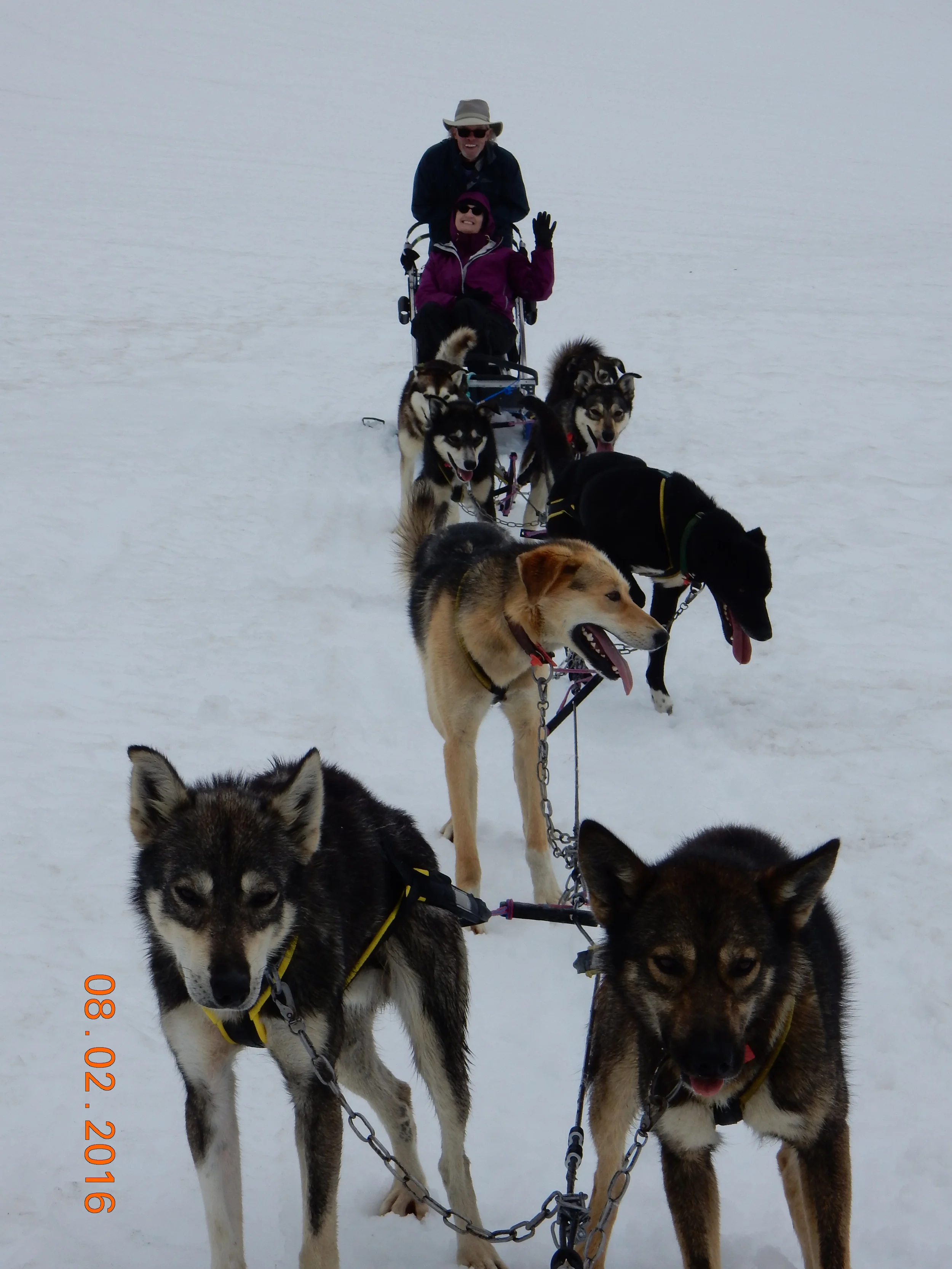
A dozen fervent dogs are in harness.  Two passengers per sled, plus the driver.  I take the standing position on the back rails while David takes the seat in front.  The musher stands between us.  The two large claws digging into the snow are the brakes; and when our guide removes them, the dogs take off, and they take off fast.  Hang on!  Zero to fifteen in a single second.  Whee!  We thump over small bumps; and we coast into and and out of large dips.  Balancing is tricky, but I soon get the hang of it—feet set, soft knees, firm grip, relaxed shoulders.  Our driver communicates direction by leaning.  I imagine it takes practice. 

We fly across the snow for quite a distance, stopping along the way for David and me to switch positions.  There’s picture taking.  We return to the group, thank our new friend, whose name we’ve already forgotten, climb into our whirly lifts, and wave good-bye to the glacier and its inhabitants.  We all decide that this was a fun and interesting excursion. 

What I’ve learned so far: 

1.  I won’t be putting on an item of clothing every morning—I’ll be putting on everything I brought. 

2.  Dogs like to have a job to do. 

3.  The workers are migratory.  The whole state closes down in the winter.

4.  Pulling the camera out every few minutes is annoying.  From here on out, I'm relying on David to take the pictures.  Thanks, David.  

5.  Everything is wet.  I’m going to be damp for the next ten days.

Next stop, Riverside Lodge, where hopefully I’ll be able to find a nice glass of Malbec.  Also, I hear there’s a sauna.   


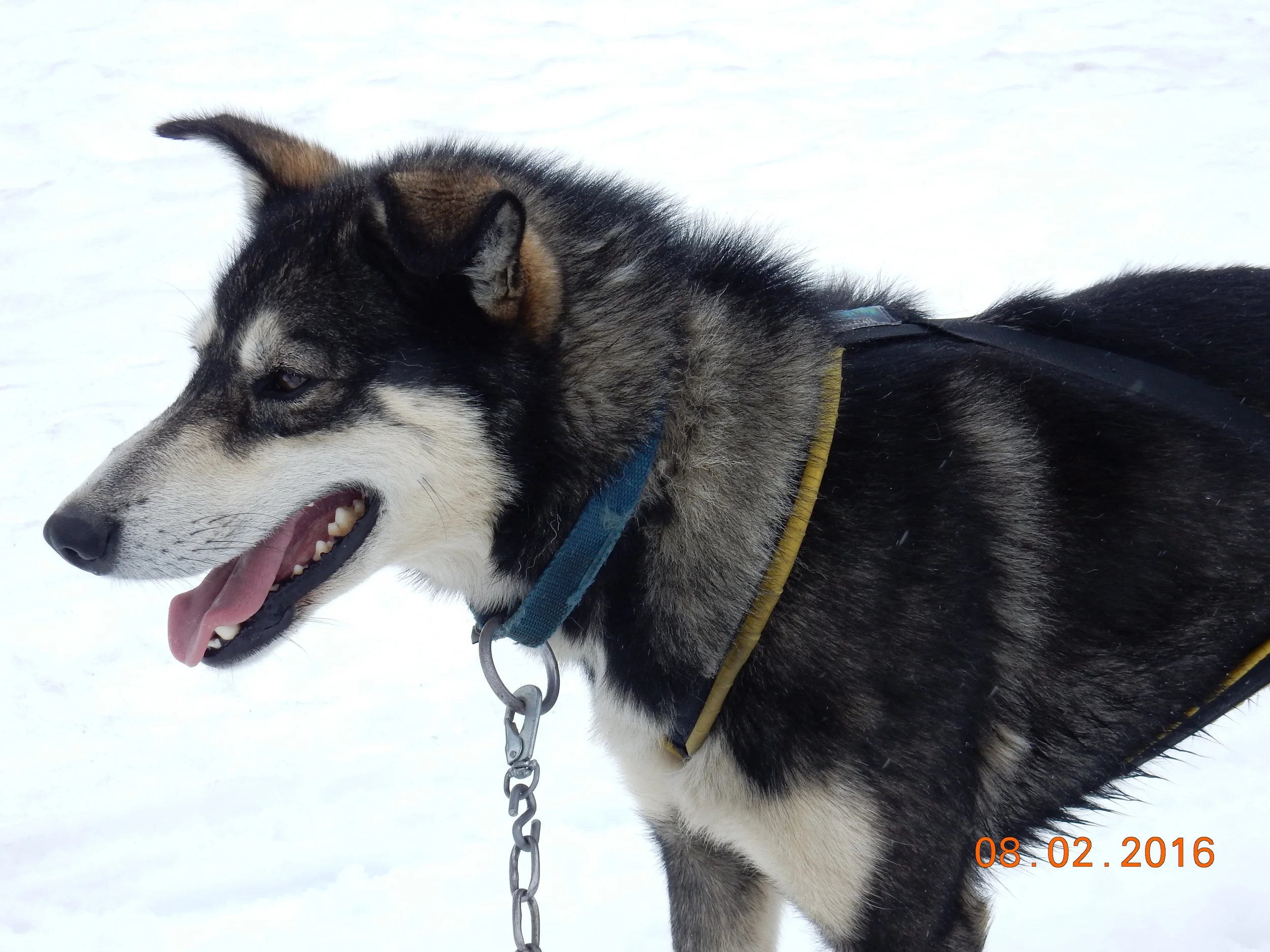
A handsome animal.  

A handsome animal.  

Summer camp for dogs.  Trip would not fit in.   

Summer camp for dogs.  Trip would not fit in.   

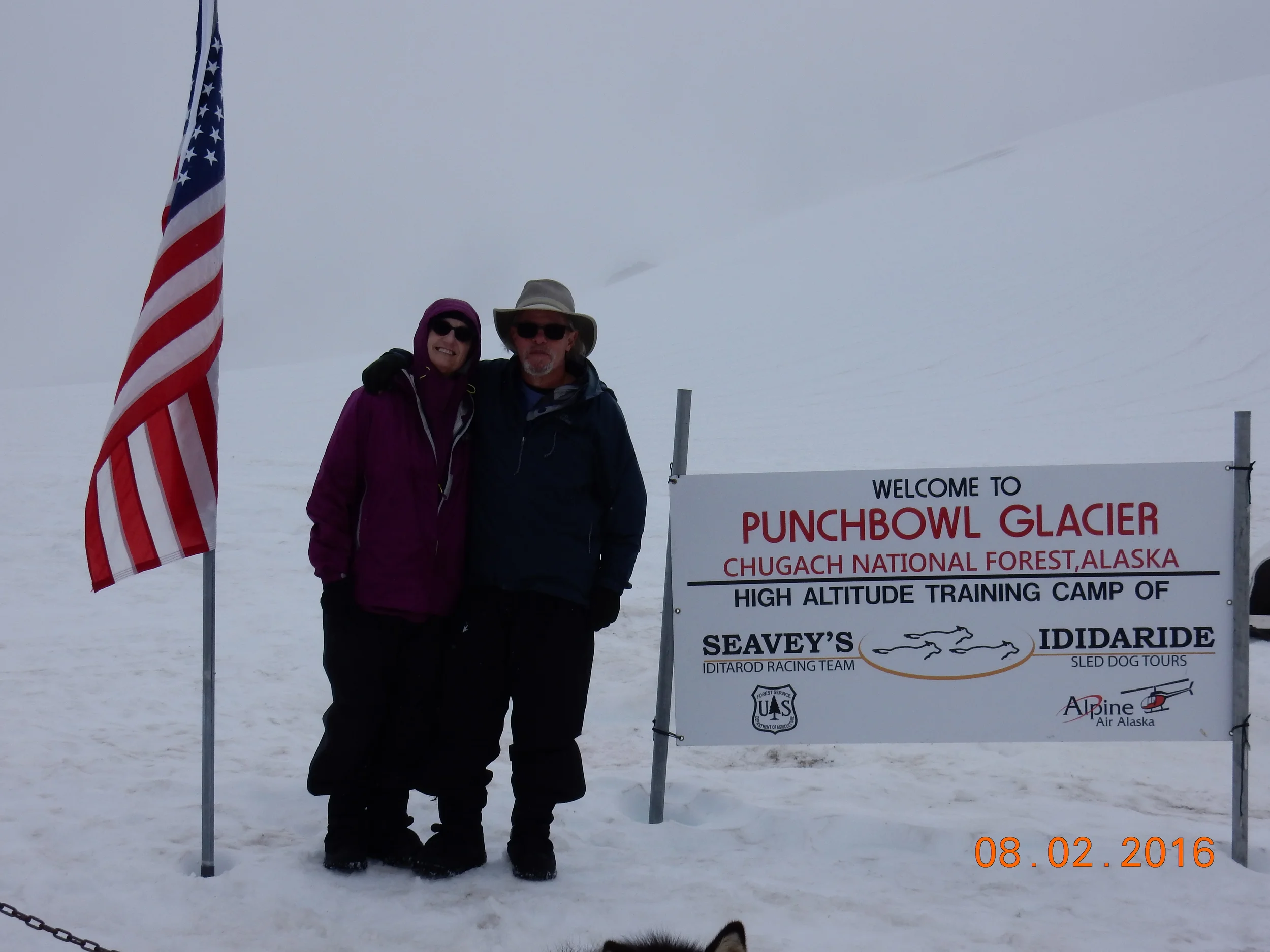
Photo op.  Yes, we were really on this glacier learning about dog sledding.  I did not make this up.  

Photo op.  Yes, we were really on this glacier learning about dog sledding.  I did not make this up.  

The two of us on the sled.

The two of us on the sled.

Taken by David from the helicopter.  Beautiful, isn't it?  

Taken by David from the helicopter.  Beautiful, isn't it?  

Beatrice Crawford Haenisch Peery

Born and raised in Amarillo, October 15, 1935.  Youngest of six kids.  Father a mechanic, mother a seamstress.  Enjoyed music—violin and choir in high school; later played organ and piano for church; also sang soprano in the church choir, often solos.  Not intellectual; though, for some reason, enjoyed Russian novelists—Dostoyevsky, Pasternak, Tolstoy. 

She was a faithful Christian.  Daddy once stated, scornfully, that she was at the church every time the doors opened.  He, himself, only attended every once in a while, hoping to obtain salvation through association. 

Momma married at nineteen, to a German immigrant many years her senior.  Daddy wanted a good life for us all, but he had his demons.  His confusion about raising girls in a society that was unfamiliar to him, his unrealistic expectations of us all, his disappointment that he was living a life far short of his intended destiny, his fear of responsibility—all converged to form a controlling and bewildered man.  And my mother, anxious to please, submitted to his erratic reign until she could do so no longer.    

As a child, I viewed her life, and was exhausted.  She worked forty hours a week as a bookkeeper.  At home, she cooked the meals, did the laundry, cleaned the house, and was in charge of paying the bills—and she was expected to sit down with my father every Saturday morning and give a full accounting of the weekly expenses, down to the number of pieces of boloney consumed.  She attended every softball game, concert, play, and awards ceremony.  She made our clothes (taught me to sew, in fact, so that even today it is one of my joys).  She believed in supplemental learning, and drove us to piano, tennis, flute, clarinet, dance, gymnastics, and swimming lessons.  She taught piano lessons, and was a Sunday school teacher, a Brownie leader, and a room mother. 

She was careful about how she conducted herself before her daughters.  I never heard her tell a lie.  Nor did she curse or gossip.  She never let anyone down when they needed a favor.  She was dependable, generous, unassuming, cooperative, and optimistic.

And always, there was my father, looming in the background, criticizing and blaming her for every little thing that wasn’t perfect.  Sometimes, consumed by his misery, he would go weeks without talking to her. 

There came a time when she admitted to herself that she wasn’t happy.  When Resi and I were grown, she and Daddy got divorced.  After this, during my few years between college and marriage, Momma became my best friend.  We formed a tight knot of females—Momma, my younger sister, Trina, and I.  The girl cousins were around sometimes.  And I usually brought along a couple of friends who are still dear to me.  All these happy women, around my mom’s kitchen table.  Even our dogs were female. 

We had fun every day.  Momma dropped her tension.  Though she didn’t make a lot of money, she enjoyed deciding what to do with the small amount she had.  It was a freedom she’d never known; and she liked making decisions about the little things—what flowers to plant out front, what TV shows to watch, what route to take.  And, what I enjoyed most was that she laughed at all my jokes—and who doesn’t like that?

She supported me when, after only two dates, I decided to move to Cairo and live with David.  She stood by Resi through three marriages, two of them brutal, and one of them glorious.  She loved Trina the most—the youngest daughter, the one who rebelled, the saint who took care of her and held her hand in death. 

When Momma was in her early fifties the company she was with transferred her from Amarillo to Houston.  David and I thought this was great.  Though we were living in England, Houston was where we always came back to; so we’d get to see her more often.  She’d get to know the kids and they’d get to know her.  And when Trina decided to join Momma in Houston, we were thrilled. 

When, in her early sixties, Momma decided to marry Frank Peery and move to Adrian, David, Trina, and I were horrified.  Frank was in his late seventies, and he clearly came from a stratum of society where women had always seen to his needs immediately, silently, and humbly.  He was ill mannered and he grunted childishly when the conversation strayed from him.  He might have been a Methodist minister, but he was not nice.  But it was her life, her adventure.  Other than tactfully voicing our concerns, we simply had no say. 

Adrian is an hour west of Amarillo, and even further away from anywhere else.  She was isolated.  And Frank wasn’t a talker.  When, after a few years, he had a stroke, Momma became his nurse and slave, which is what the scheming old buzzard had in mind all along. 

She was distraught when she found out he’d run up debts in her name.  She’d gone into the marriage with a comfortable amount of savings, but he left her broke.  She sold the rotting old house he’d taken her to, put him in a nursing home in Houston, then moved back in with Trina, into the house she still owned in the Memorial District.   

She was in her late sixties by this time, and the damage done by years in a solitary situation, combined with being bankrupted by a man she trusted, had damaged her mental faculties.  She repeated herself, forgot things, got lost while driving, couldn’t follow conversations, wasn’t able to make simple decisions, became obsessed with things that happened long ago or never happened at all.

Alzheimer’s.  Our mother was lost. 

Her heart stopped beating on July 25, 2016. 

You were loved, Bea.  Rest in Peace.

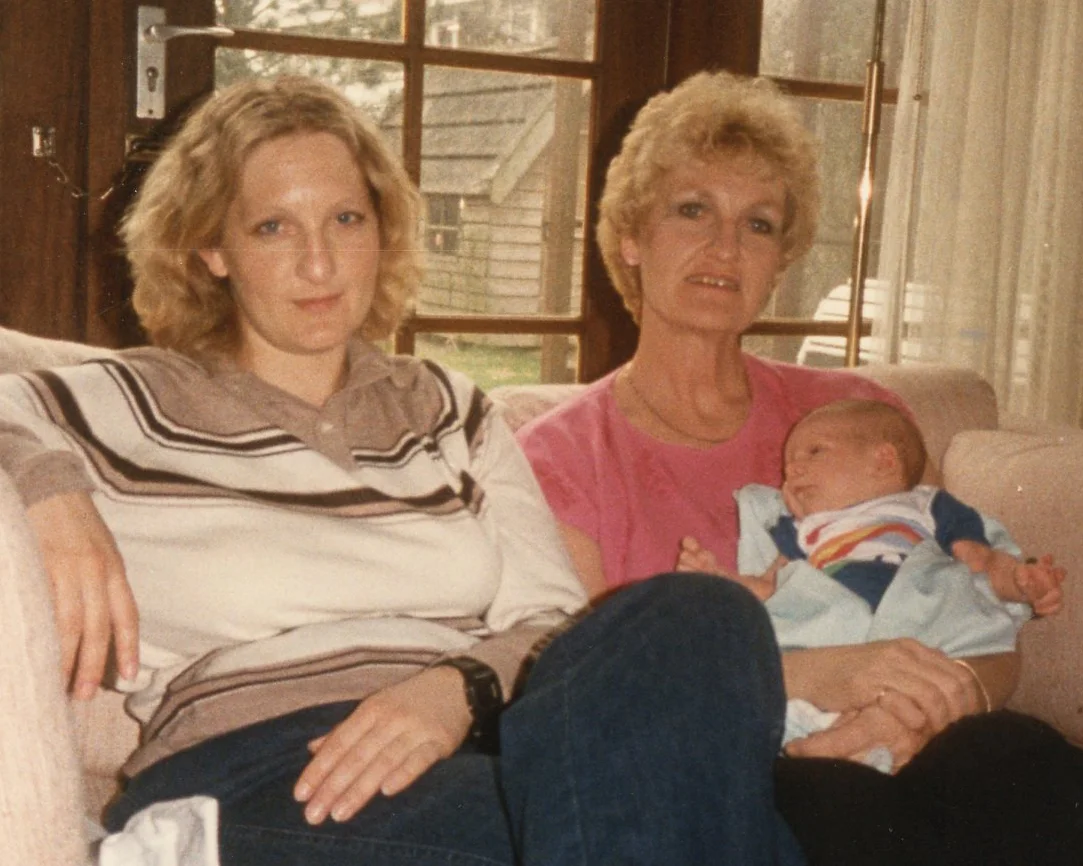
Momma, happy with Curtis and Sam.  This was taken when she visited us in Beaconsfield, about an hour west of London.  

Momma, happy with Curtis and Sam.  This was taken when she visited us in Beaconsfield, about an hour west of London.  

In Holland  Curtis was a week old.  

In Holland  Curtis was a week old.  


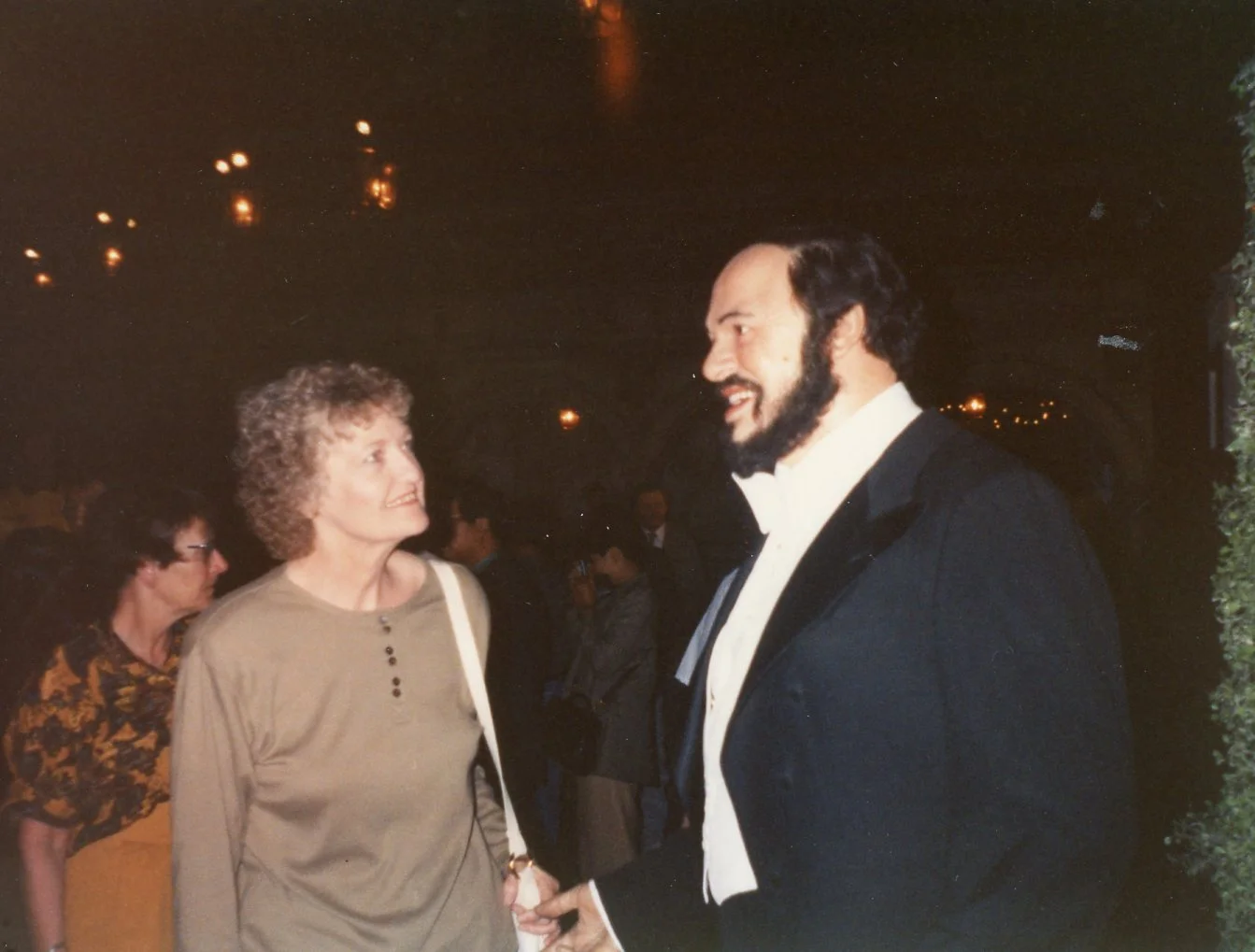
She enjoyed the wax museum in London.  

She enjoyed the wax museum in London.  

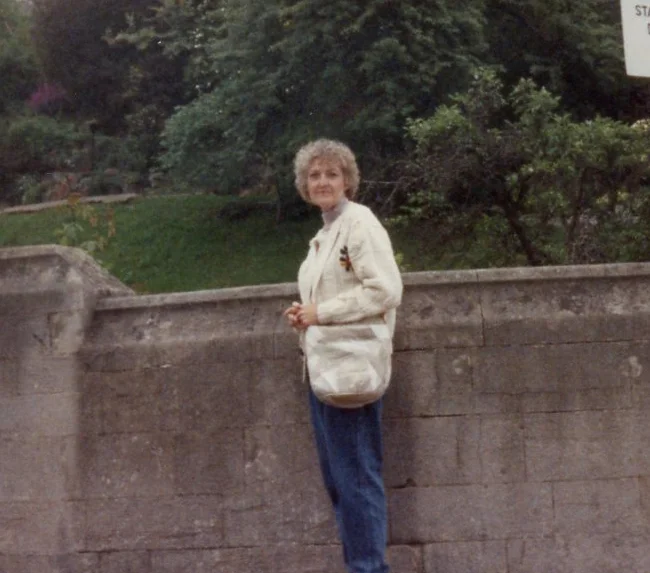
Outside a garden in Edinburgh.  I have no pictures of her during her younger years--those are in albums at Trina's.  

Outside a garden in Edinburgh.  I have no pictures of her during her younger years--those are in albums at Trina's.  

Jury Joy

David’s expression is one of sadistic glee as he hands me my little piece of mail.  It’s a summons to jury duty, a notice most people dread.

“Oh goodie!” I say.  “I love jury duty.”

“Right.”  Sardonic, disbelieving.

“Really,” I insist, because it’s true.  “Strangers with weird ideas and bizarre traits.”  Mumblers, scratchers, hair-chewers.  A writer’s dream.

The information card specifically says, “Appropriate clothing required.”  I wonder what that means in this part of the country.  Lately I’ve been noticing women scuffing around out in public in house shoes.  Will they show up for jury duty wearing shoes that look like pillows?  

Traffic is light and I arrive early.  I show my ID and the clerk sends me to a waiting area where about twenty people mill.  We’re asked to fill out a form that indicates whether we want to claim the ten-dollar stipend or donate it to charity.  We’re given a list of a dozen local organizations from which to choose.  I request that mine be given to the Family Crisis Center.  The man next to me puts a check in front of every charity.  I imagine an accountant hunched over a counter, dividing ten dollars twelve ways, allocating eighty-four cents to each. 

Within minutes the number of jurors has swollen.  We’re overflowing into the outer corridor.

“There’s going to be three hundred of us,” my charitable neighbor says, “which means something big’s going on.  Burnet’s the crack capital of the world.”

Really?  I had no idea.  Burnet, by the way is pronounced, “Burn it!”

I study my fellow jurors’ sartorial choices.  Men—jeans and plaid shirts, boots and big belt buckles.  Women, either dowdy or slutty, depending on what their bathroom scale advises; though some ignore what they know.  I’m surprised by the variety of ages; every stage of adulthood is represented, not just the retirees who dominate the hill country.  And not a brown face among us. 

“Two trials today,” the woman behind me chimes in.  “Theft and spousal abuse.” 

Oh boy; nasty and shocking, a side of life I only see on screens.  Witnesses will cry.  Defendants will stare out of hostile eyes.  The drama will be exceptional.  The contrasts, stunning. 

“How do you know this?” I ask.

“The docket’s online,” she tells me.  And now I’ve learned another new thing. 

We sign in at a table and are shown into a large comfortable courtroom.  I scan from wall to wall.  Wanting the best view of every detail, I aim toward a center seat.  The woman behind follows along and takes the seat next to me, which is too bad because she’s large and spills over, leaving me only a portion of my space. 

“Have you been called for jury duty before?” I ask.

“I get called pretty often, but am always dismissed right off.”

“Why?”

“Because I work at Walmart.”

This makes no sense to me.  Deciding she must be crazy, I let the conversation die and turn to the novel I’m reading, A Man Called Ove, a depressing selection which Amazon, based on the last several books I’ve bought, assumed I’d enjoy.  It’s about a suicidal widower, a rigid curmudgeon, who misses his wife.  While the story deserves to be told, there are simply too many wasted and meaningless words.  Every other sentence has “ . . . Ove is the sort of man who does . . .” or “ . . . Ove is not the sort of person who likes. . .” Why not just say, “Ove does,” or “Ove doesn’t like?”  I realize that this brief phrase, “the sort of,” is in support of a style, but once or twice was enough to relate the gist.  To do it every time the protagonist thinks or acts is grating.  I want to go through the thing with my finger on the delete key

The bailiff announces the arrival of the judge; and we all rise as The Man enters through a door behind the podium. 

I try to present a solemn demeanor—straight back, gaze attentive—and I paste a stern expression on my face.  In order to get chosen as a juror, I must stand out as someone who likes to judge other people. 

“Please be seated,” the judge says, sinking regally into his throne.  We sit.  “Thank you all for coming today, but one of the cases has pled out and the other defendant, who was out on bond, has skipped.  And believe me, when we recapture him, he’ll wish he hadn't done that.”

Sounds like Burnet County needs Stephanie Plum!

“And so I’m sorry for the waste of your time, and once again, we appreciate your service.  You’re dismissed.”  He rises, turns, and disappears through his special door. 

I should have given my positioning in the room more thought.  The man in the seat closest to the exit had the right idea.  I turn and watch as he zips through the door.  Mountains of flesh have me blocked on all sides.  We stand and move like packed hogs, pressing into the aisles, through the doorway, the hallway, the foyer; and we burst out into the scorching sunshine where a hundred and fifty cars and trucks are backed up all the way to the rear of the building.

The morning had so much potential, and then nothing happened.   

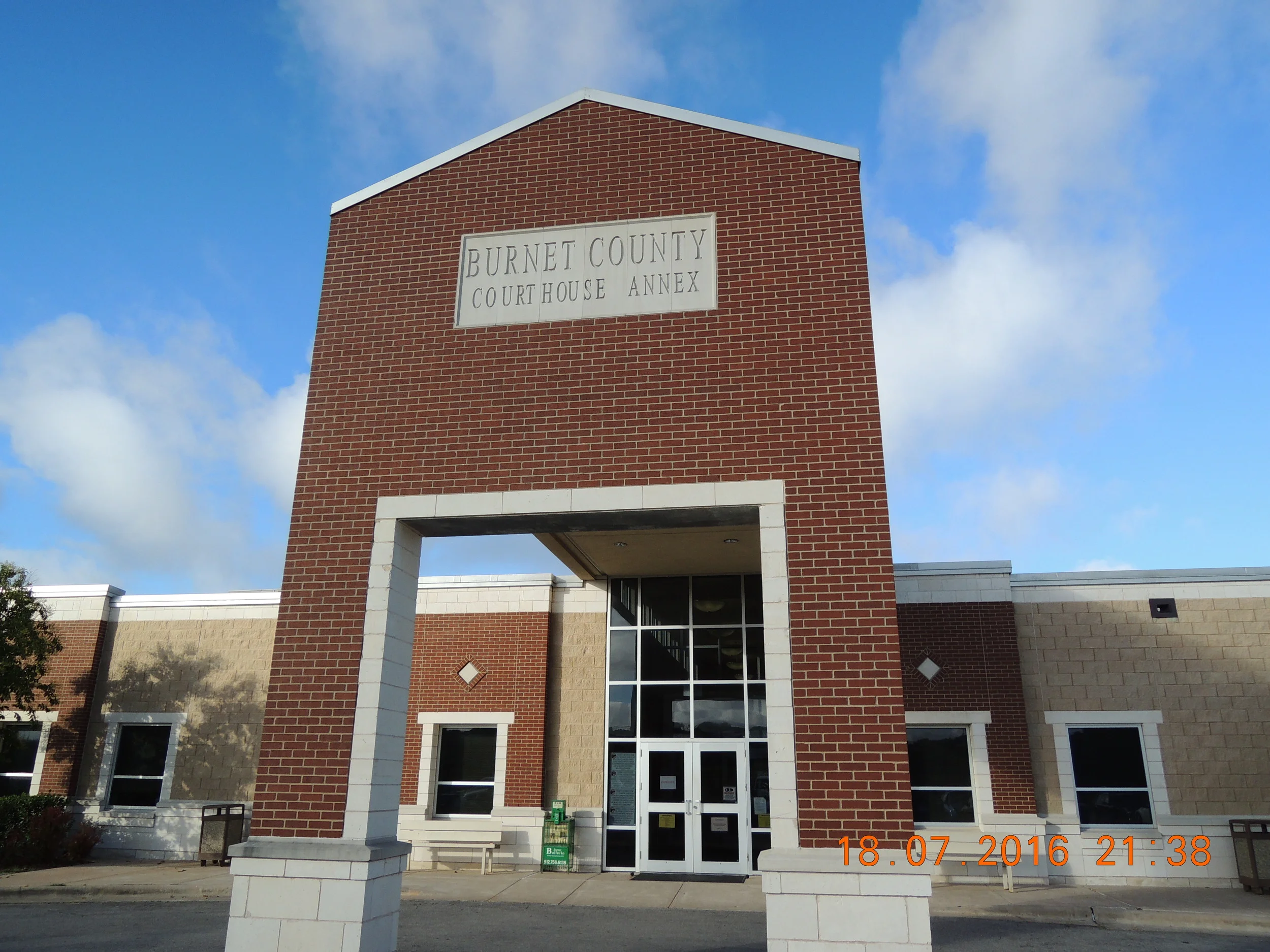
A lady passing by asked why I was taking a picture.  I told her it was because I was thrilled to be here for jury duty.  She laughed.  

A lady passing by asked why I was taking a picture.  I told her it was because I was thrilled to be here for jury duty.  She laughed.  

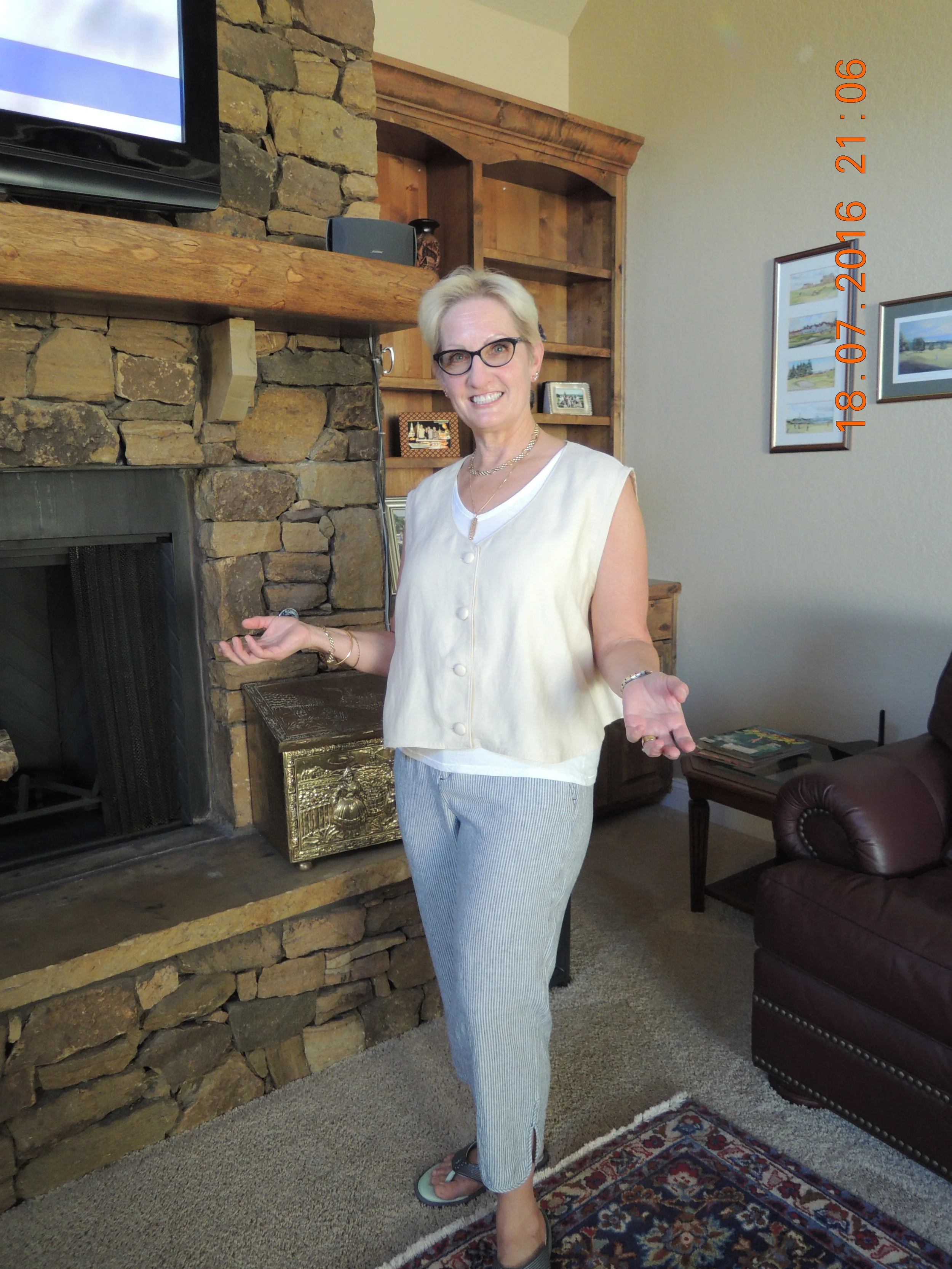
This is the way I chose to dress for jury duty.  With proper sandals, of course, not flip-flops.  Appropriate?  

This is the way I chose to dress for jury duty.  With proper sandals, of course, not flip-flops.  Appropriate?