The Land of Pick-up Trucks

When Sam was here a couple of weeks ago, he and I made the trip to Marble Falls so he could see the new house.  On I-10, between Houston and Katy, traffic piled up and we skipped over into the HOV lane, which to me seems insane because, to my way of thinking, two people don’t signify high occupancy.  Sam waved his hand at the packed lanes to the right and made a comment about how inefficient it was that all those massive SUV’s and pick-up trucks were only transporting a single person.  It wasn’t a criticism of Texas, or, for that matter, the US; it was more an observation about the differences in cultures and the pull between what people say and what they do.  In Texas we don’t litter, we recycle with zealous dedication, and we’re prudent with our electricity; but no amount of conservation is worth sharing our traveling space with strangers, and we don’t think a thing about getting into an oversized SUV and driving six hours to visit a friend or shop in an outstanding store or have a night’s entertainment.  In Beijing, Sam gets around on an electric scooter, leaving the smallest footprint possible in one of the most polluted cities in the world. 

And none of this has anything to do with David and me making the drive to Marble Falls this weekend—except maybe big cars and trucks are on my mind because of the number of intimidatingly massive hauling vehicles on the highway.  Also, we came in David’s Tacoma, which, as far as trucks go, is modest, and kind of fun to drive.  And the question of efficiency and waste is also on my mind because the reason for this brief trip is that we got billed for ten thousand gallons of water during a month when we were only here for three days.  The disappearance of the massive amount of water is a mystery we’d like to solve.  Unfortunately, our only idea is that maybe the watering system was left on, which, we ascertain within minutes of our arrival, simply was not the case. 

So far, our biggest issue in the Marble Falls house is water.  It’s been raining heavily in the area and the water’s flowing right at us.  We didn’t think about it when we bought the house, but we occupy the lowest lot in the estate.  We’re not flooded, but we realize it could happen.  David’s first landscaping project will be to shore up the drainage gully on the right side of the property.  Waste and water disposal is also a question mark with us.  As city dwellers, we’ve always depended on the municipal system to carry off our poop, but here it apparently hangs in a tank that’s buried somewhere in the back, and we’re kind of freaked out about that.  Also, the well water we’re using leaves spots on our drinking glasses and the shower glass—and to that end, there’s a mysterious contraption in the garage that doesn’t seem to be working—a water-softener that we have no idea how to maintain.  And the kitchen sink has a leak.  So.  A lot to be seen to, which means many trips to Home Depot and David’s favorite new store, The Tractor Supply. 

On one of our jaunts to Home Depot (four in a twenty-four hour period) we stop by the Whataburger for a quick lunch.  The lady at the next table is telling two friends about her recent visit to her new grandchild.

“He don’t look like no one in the family,” she says, befuddled, waving her phone in front of their eyes so they can see for themselves. 

I gasp in horror. 

“What?” David asks mildly, looking around to see what’s got me appalled this time.  I’m always gasping in horror at something. 

“Did you hear what that woman said?  Did she not go to school?”

“You’re going to be busy if you’re going to be the grammar police around here.”

“Somebody has to do it.  Southern doesn’t mean ignorant.”

Maybe it’s a trade-off.  Though the vernacular may jar, the manners are charming.  People who aren’t even waiting on us or trying to sell us something address us, and each other, as ma’am and sir.  They hold doors open when they see someone approaching.  Drivers let other drivers in rather than cut them off. 

We work around the house for a couple of days, poisoning fire ants, putting coasters on the bottom of the bar stools, and making lists of future projects.  On Saturday we visit various businesses, researching internet access and cable v satellite.  On Sunday we pack up and head back to Houston.  We’re dismayed that we still have no idea why we were billed for all that water. 
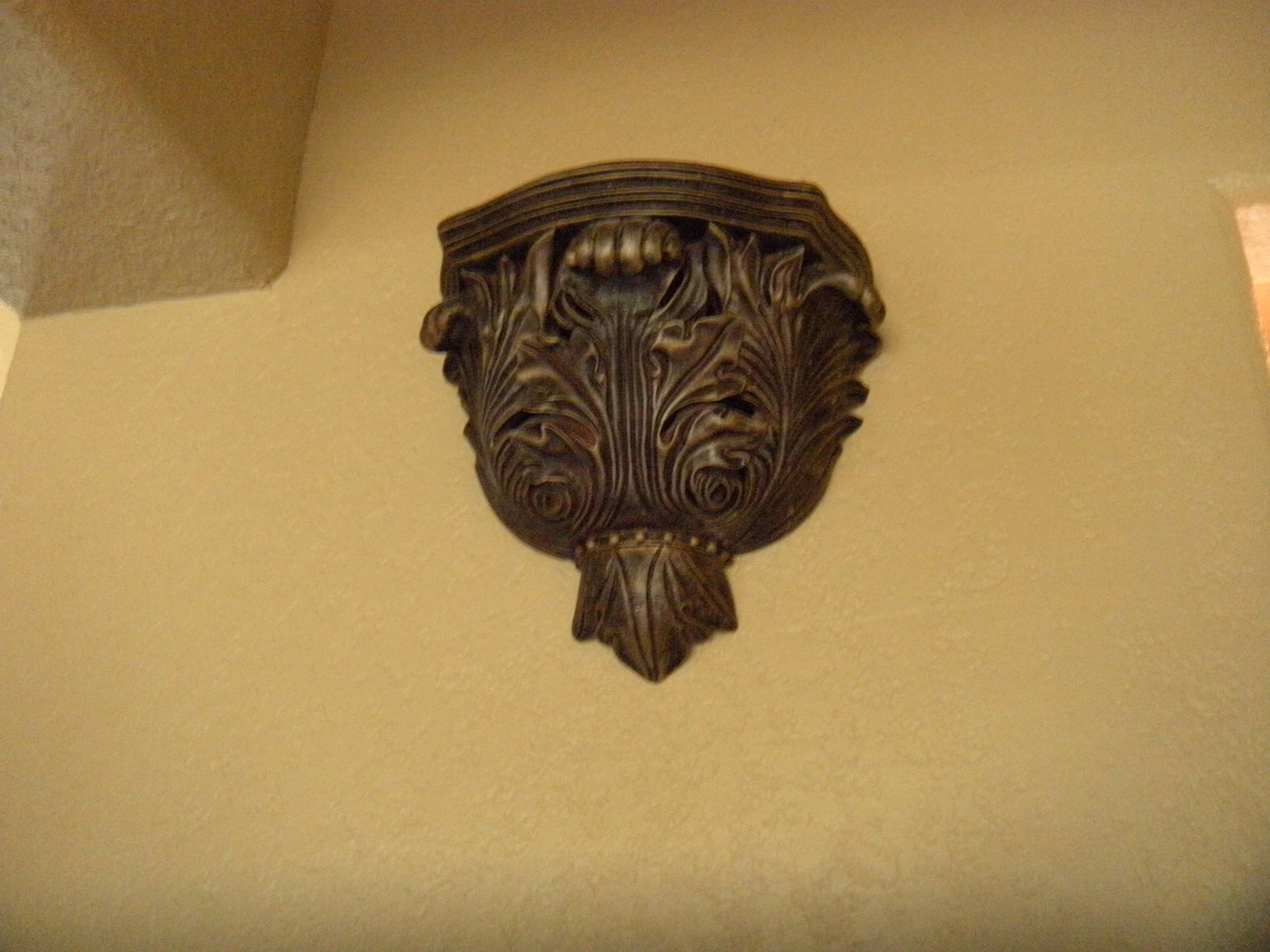
What's the point of this fixture?  Do we set a candle or plant on it?  It's set really high on the wall.  

What's the point of this fixture?  Do we set a candle or plant on it?  It's set really high on the wall.  

Here's David underneath it to give it scale.  

Here's David underneath it to give it scale.  

They'll soon know David by name.  
They'll soon know David by name.  

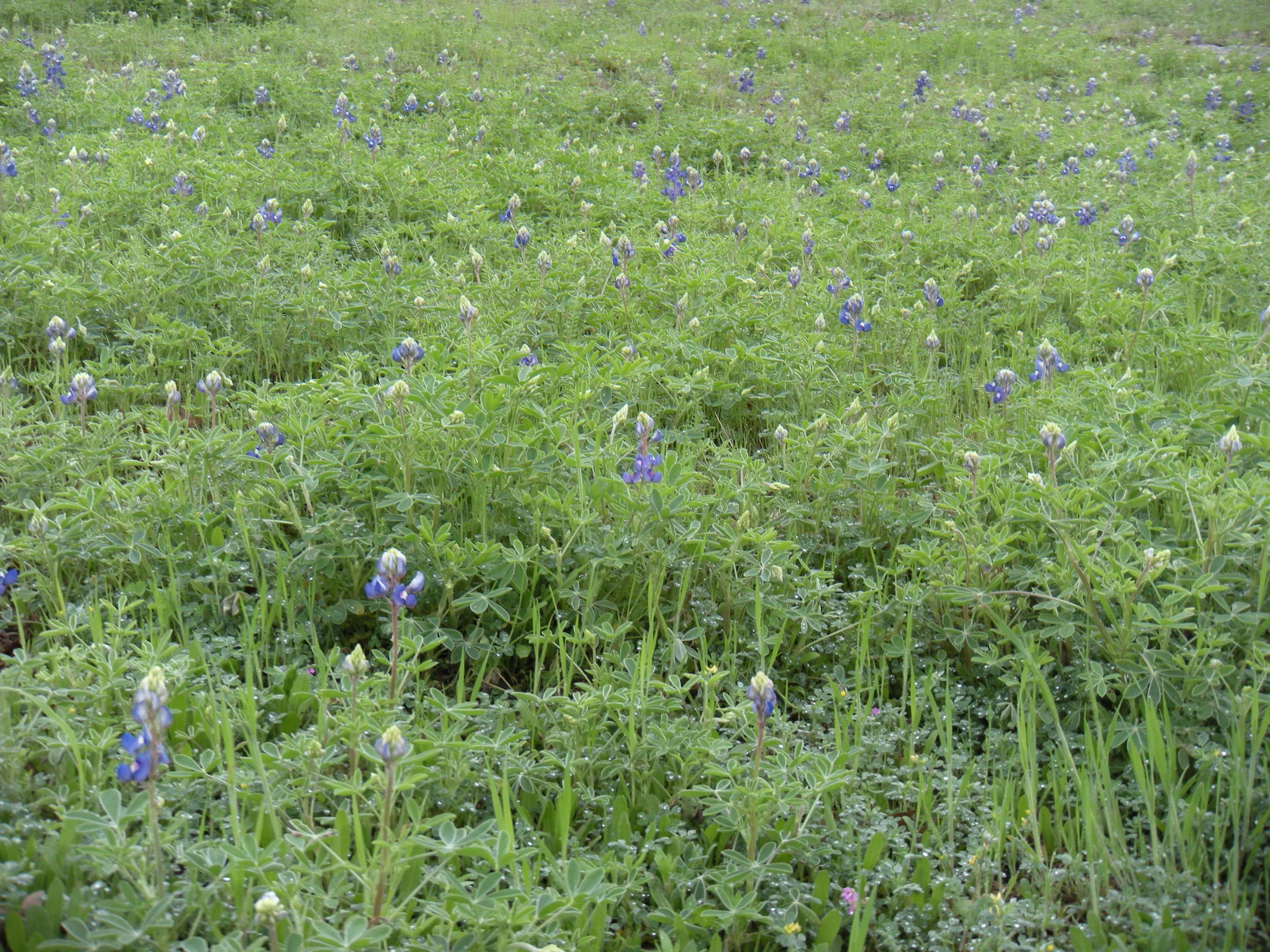
Bluebonnets and Indian paintbrush blanket the land adjacent to the highway between Columbus and Lake LBJ.  It's a colorful show.   
Bluebonnets and Indian paintbrush blanket the land adjacent to the highway between Columbus and Lake LBJ.  It's a colorful show.   
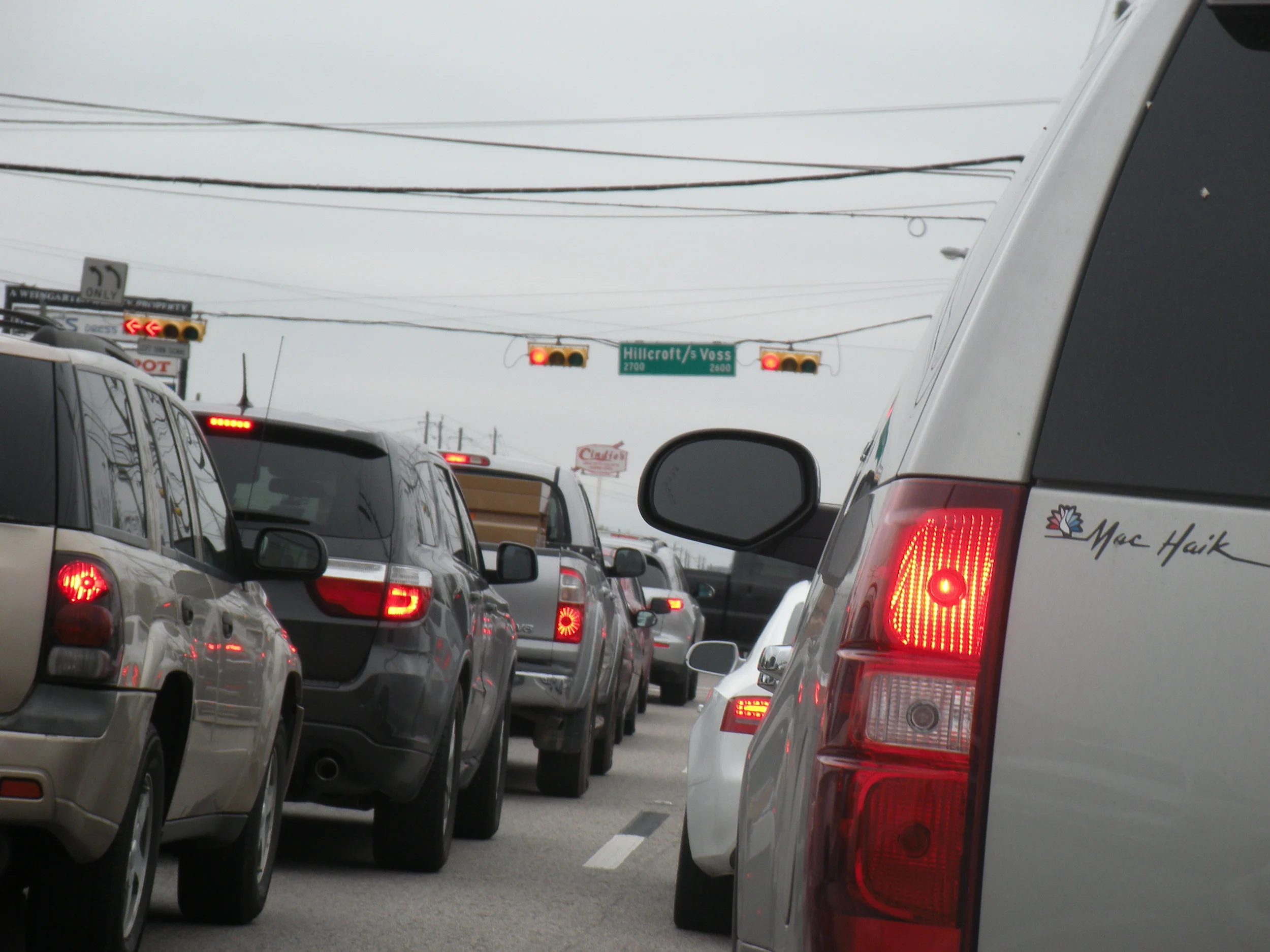
Voss and Westheimer

In the driver’s seat in the first car at the traffic light a man grows uncomfortable.  Because he thought it was cooler than it is, he put on too many layers—a T-shirt, sweater, and wool jacket.  And though the air conditioning’s on, the sun beams harshly on the dashboard, causing waves of heat to rise and dry the air.  The man’s forehead begins to sweat.  His face is getting hot; and he’s on his way to meet a client, who will surely be put off by the red cheeks and clammy hands.

The driver unfastens his seatbelt, intending to remove the heavy jacket, which he stupidly zipped himself into earlier, swaddling his torso as though scared of freezing to death between his front door and his car.  He unzips, but the back of the jacket is stuck beneath his hip so that the fabric has no give when he tries to work his shoulder out. 

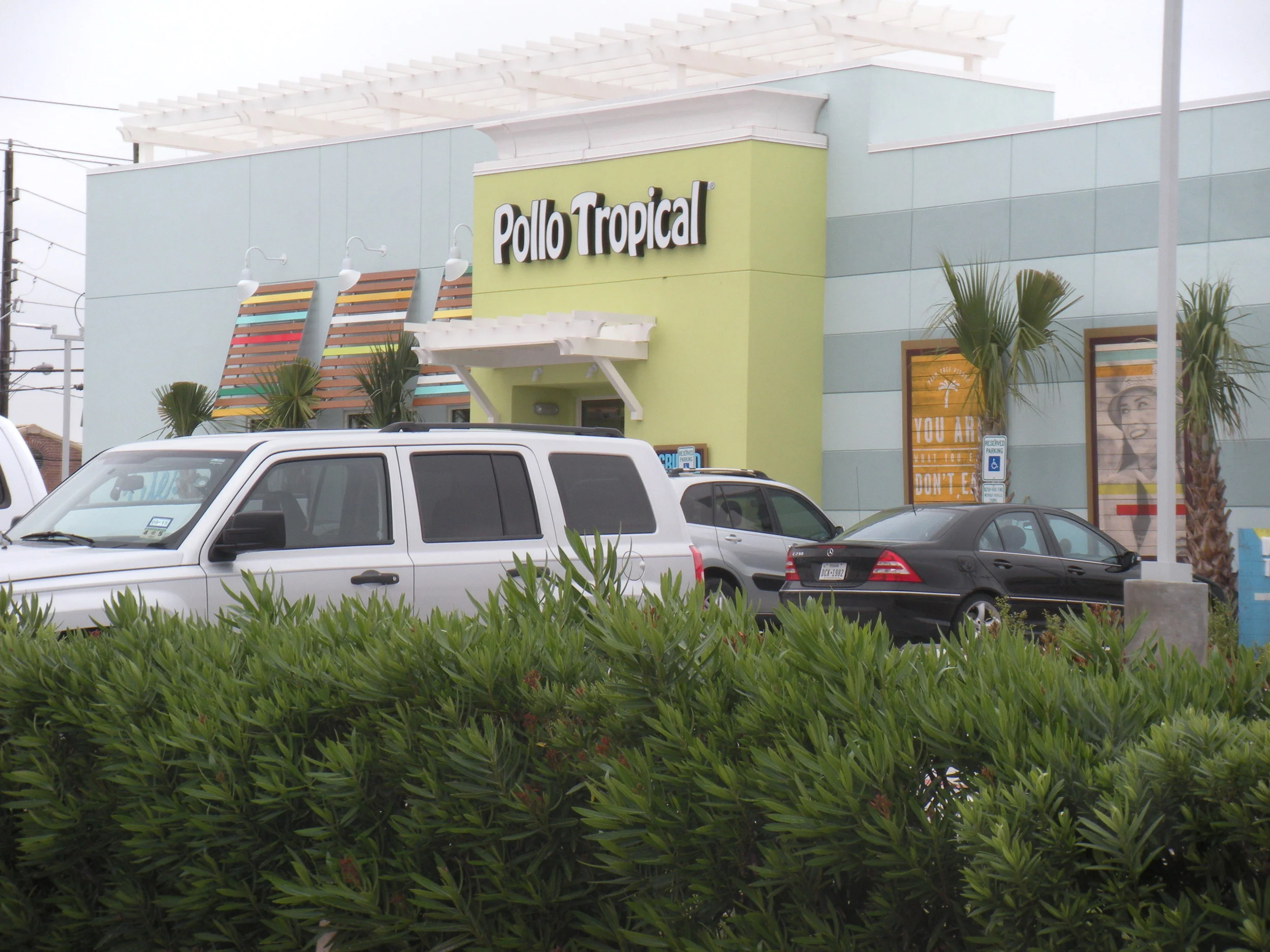
The light’s a long one.  It’s been red forever.  Voss and Westheimer.  It’s always been a busy intersection, made busier by the opening of the new chicken place on the corner, Pollo Tropical.  Also, the population of Houston has risen drastically in the last few years, which means more cars on the streets.  Where once there would have been seven or eight cars in the lane behind him, now there are fifteen or more. 

He struggles with the sleeve; and the wiggling and pulling makes him hotter.  Unable to stand it a second longer, desperate to shed the impermeable wool, he opens the door and leaps out.  It’ll only take a second.

Jenny is in the car behind him.  Relaxed and enjoying a podcast—Stories of Caprock, a humorous and quirky tale about an urbexing addict—she’s shocked to see the man in front of her emerge from his car.  This is something that, in her experience, simply is not allowed.  As a rule, she is sensible and tolerant, though admittedly impatient when it comes to people acting like idiots. 

The light turns green.  The man who’s out of his car doesn’t realize this because he’s focused on getting the weight off his back, the heat off his shoulders. 

The cuff at his wrist is snagged on his watch.   

The sound of a car horn fills the air, startling him.  He looks up from his fight with the jacket.  The woman behind him is honking.  Her face is a mask of rage as she screams and alternates between gesturing wildly and pounding on her horn. 

And then the person in the car behind her begins to honk, also.  There is a tap on his shoulder.  He turns to see a raggedly clad man holding a cardboard sign.  The sign reads, “Jobless.  Hungry.  Sick.  No Money.  Help me.”  

“Green light,” the scruffy man says.  “Back in car.  Drive.”  Only the man has a speech impediment of some sort, or maybe some kind of brain damage, and his words come out more like,  “Rite, dak in car.  Ire,” which confuses the jacket-removing man even more. 

“I have no money for you today,” the discombobulated driver says.  Shaking his head, distracted by all the inexplicable racket (and then this homeless guy coming so close—actually touching him!) he finally works the jacket off, tosses it toward the passenger seat—but his sunglasses, tucked into the breast pocket, go flying.  They land on the other side of the door, just out of reach, so that he must circle the door in order to retrieve them.  He grabs them up, circles, and folds himself into the driver’s seat.  And all the while, horns split the air. 

Only then does he notice that the light has turned green.  He accelerates through the intersection; and trailing him, riding his bumper, Jenny pushes through on the last few seconds of the yellow light.  Behind her, though by this time the light is clearly red, five other cars go through. 

Jamaican chicken--haven't tried it yet, but am mildly curious.  

Jamaican chicken--haven't tried it yet, but am mildly curious.  

Too many cars.

Too many cars.

Adventures with Sam

Sam and his girlfriend, Julia, are on vacation in China when the concierge at their hotel points out that Sam’s visa has expired.  Sam’s been focused on his fledgling business lately, so his lack of awareness is understandable.  But the bare fact is, when your Chinese visa runs out, you have to get out of the country quickly—no returning to the apartment in Beijing to gather your things, no time to scramble around for the best price on flights—and the new visa must come from your home country. 

So, Sam’s in Houston with us for a couple of weeks.  What does he do, as he waits for the bureaucrats to process his application?  He catches up with old friends.  He spends hours we-chatting with his business partner in Beijing about branding, marketing, and financing.  And when he’s not talking to his partner, he’s talking to Julia.  He is vexed that he must spend time away from his life. 

This imposed visit is beneficial to me because it gives him a chance to go through his stuff.  His possessions left from childhood have been in our care for nine years—books, souvenirs, collections, clothes, outdated gaming systems, old computers—and I’ve been obsessing over how much longer we’re expected to store it or haul it from place to place.  So while he’s here, he sorts and chooses, saving or discarding.  He enjoys the process and will take a few of his favorite items with him.  When he leaves I’ll have an impressive load to haul to Goodwill.  Yay! 

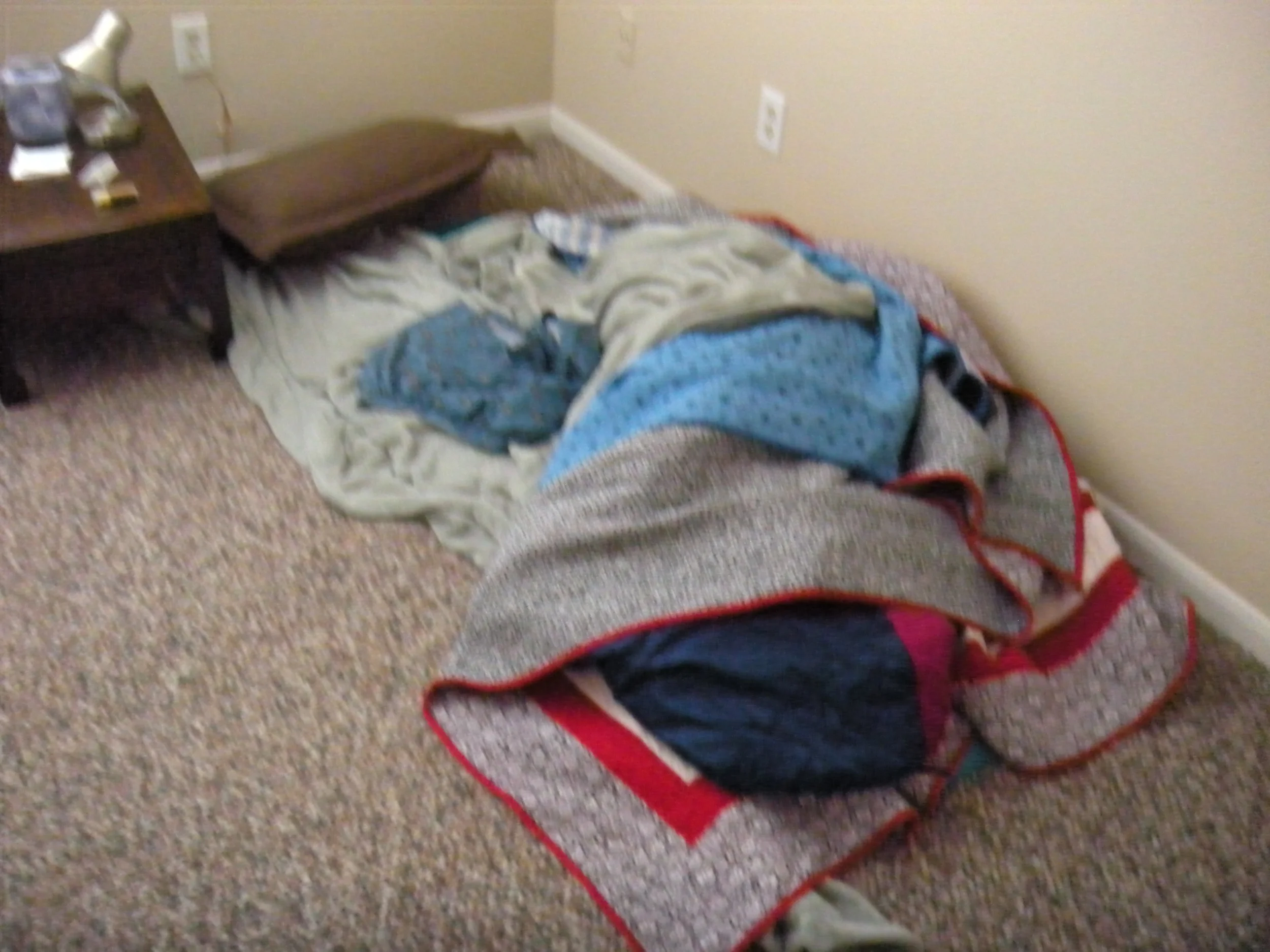
Another consideration, not so wonderful for Sam, is that David and I moved the day bed and trundle to the Marble Falls house a month ago so we’d have beds up there, so Sam’s only slumber option is a sleeping bag on the floor of what was once, for the couple of months between when we moved from Kuwait to the time he went off to Columbia, his bedroom. 

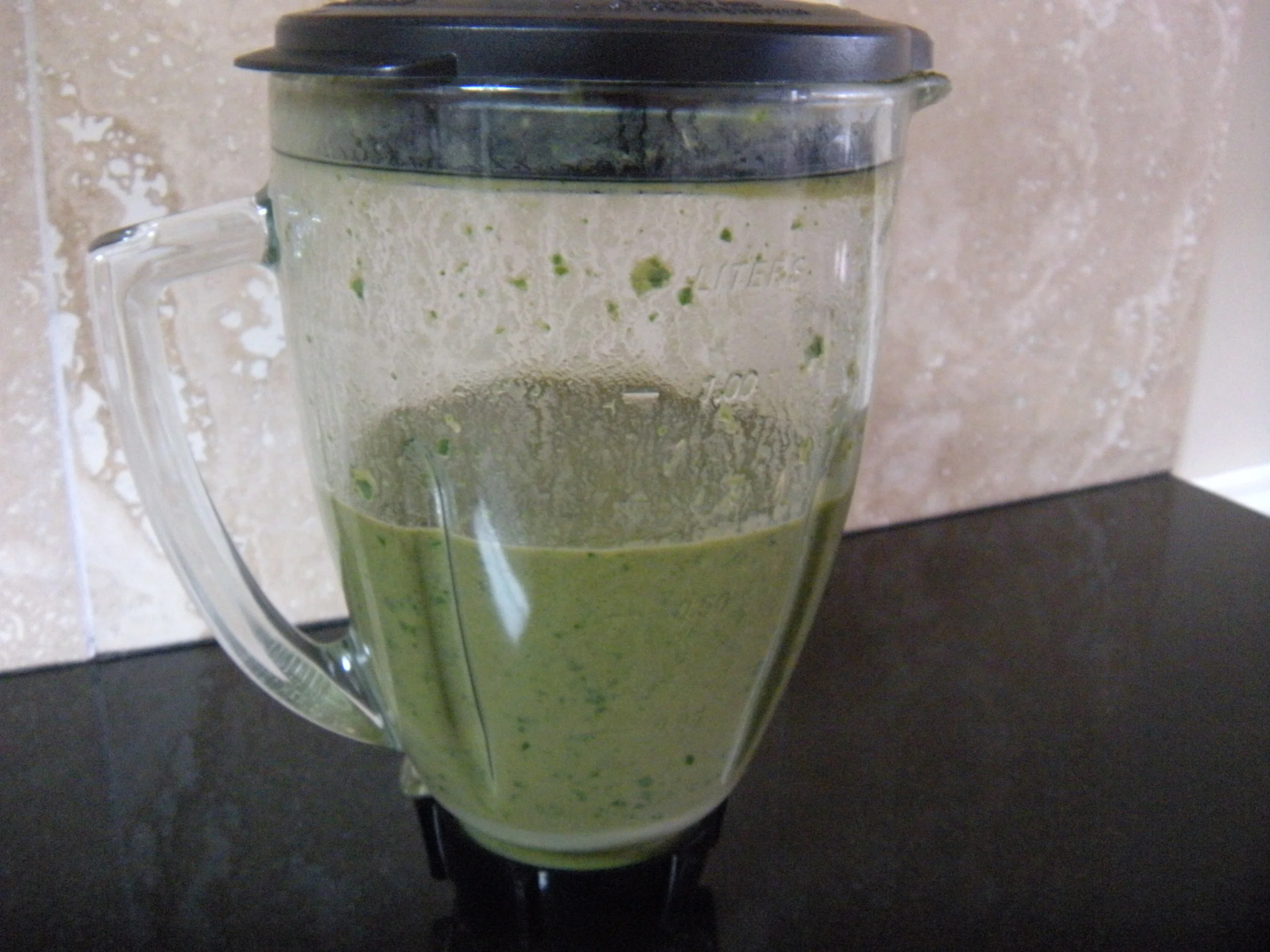
It’s funny how, when grown kids return for a visit, they bring new and surprising notions with them.  Sam crams kale, an avocado, and chocolate protein powder into a blender, and calls it a breakfast smoothie.  I’m somewhat repelled, but he happily slurps it down, expounding on the health benefits.  He’s done research. 

Also, he’s appalled when I set my shoes on the kitchen counter. 

“The counter where you cook and eat,” he points out.

“Yes,” I say.  “The counter that I clean with sterilizing wipes several times a day.”

“You walk through human mucous spit and dog pee and bird droppings in those shoes.”  He has a point.

“I guess you wouldn’t want to set your shoes on the counter in Beijing, where it’s human pee on the sidewalks and no one cleans their counters,” I tell him.  “But everybody knows that the sidewalks of Houston are the most pristine in the world.”

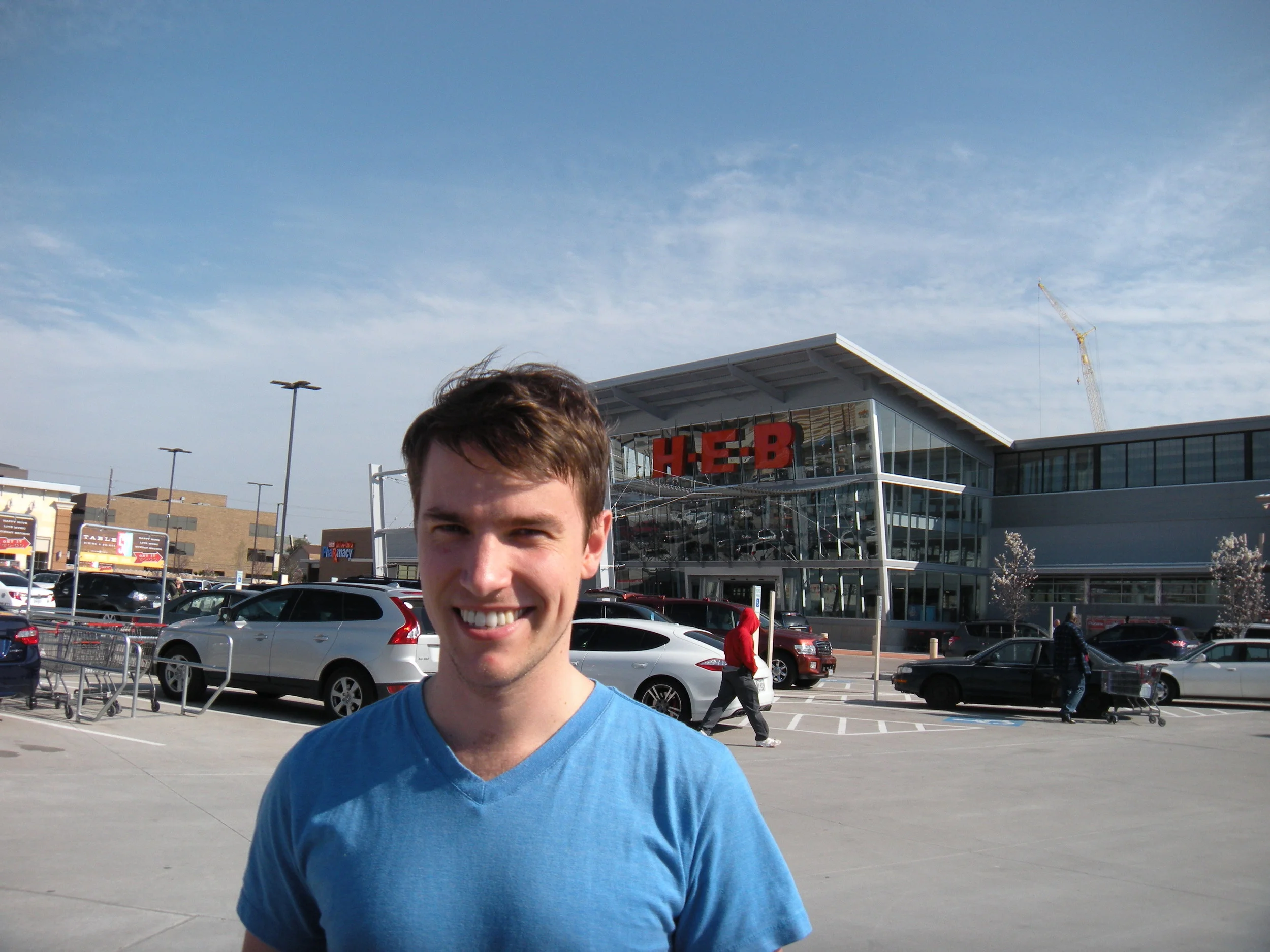
He looks around our house and decides that there are many items that we need, but do not have.  At Costco he talks me into buying an Apple TV, which, some may know, but I don't, is not a TV, but a device.  (Why call something a TV when it’s actually a box that hooks up to your TV?  That’s just misleading.)  I also have a new microphone, which I’ll soon be using (as advised by Sam) in the podcasts of some of my novels.  (Thanks for helping me set this up, Sam.)  Also at Costco, he fills the cart with coffee and toothbrush heads, vitamins, allergy medication, and an external hard drive, raving about how much these items would cost in China, if they were even available.  He accompanies me to the new HEB, which has just opened around the corner from our house.  The abundance thrills him and he says he plans to come back and just wander the aisles, a rapacious tourist in a copious world.

On Tuesday morning after he’s been here two weeks, I drive him to the airport and hug him good-bye.  Enforced and spontaneous as it was, it was great seeing him.  Good-bye, Sam.  Safe travels. 

Sam at the new HEB.

Sam at the new HEB.

Sam's goopy breakfast.

Sam's goopy breakfast.

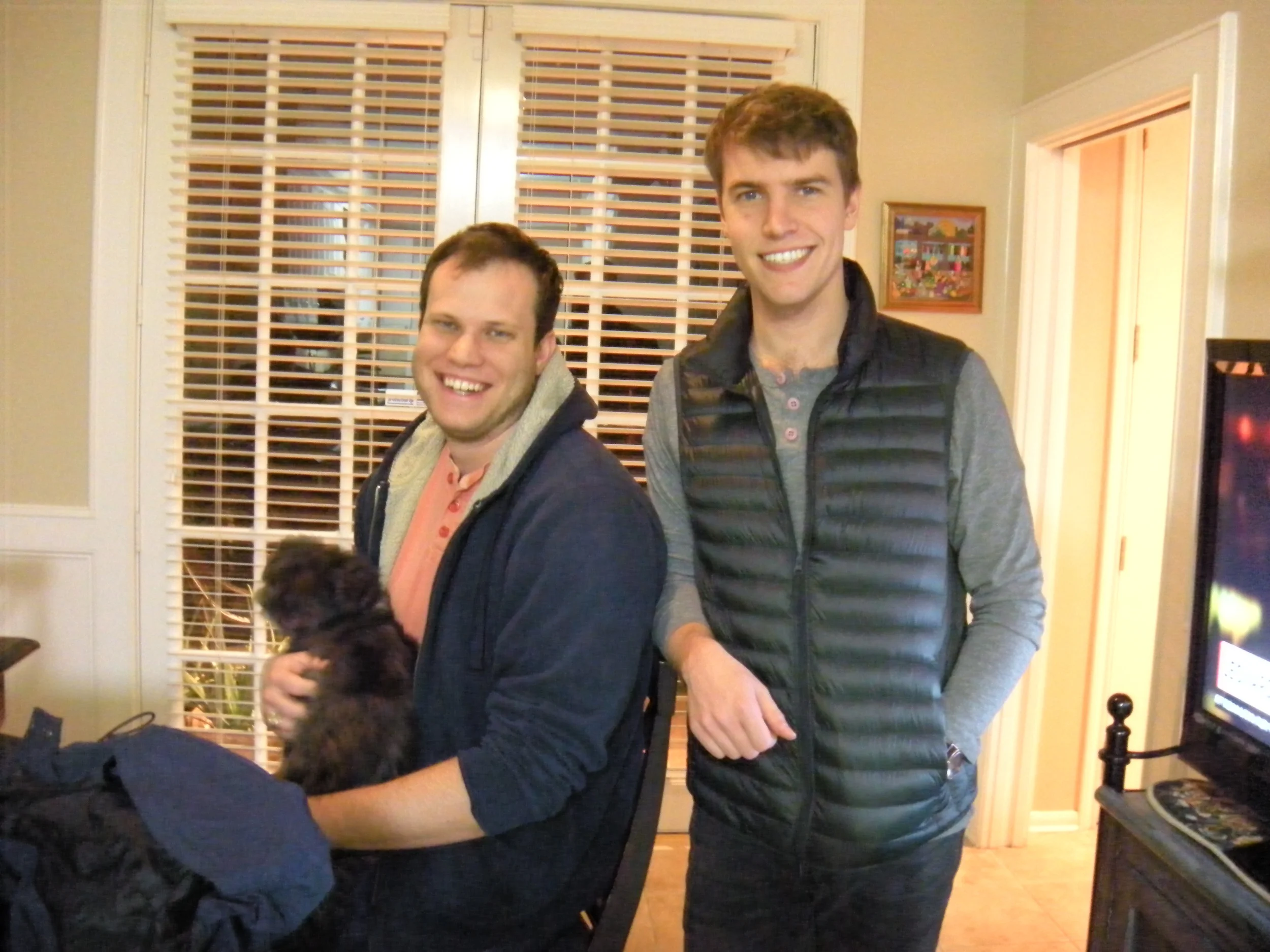
Sam and his friend, Jimmy.  

Sam and his friend, Jimmy.  

I felt bad that this is where Sam had to sleep for two weeks--but probably not as bad as Sam.  

I felt bad that this is where Sam had to sleep for two weeks--but probably not as bad as Sam.  

Bonding with the House

Armed with five rolls of shelf paper, I travel to the house we recently purchased just outside Marble Falls.  In addition to tasking myself with lining shelves and drawers, I will take delivery of the new dishwasher, an LG with the most wondrous drawer near the top, intended for those hard-to-place oversized spatulas and spoons.  See, this is the good thing about moving so often—every time I come back to the states I get all new appliances.

Lining shelves is an important bonding ritual.  In the kitchen, I turn on the radio and spend hours measuring, cutting, removing the backing, and pressing the contact paper into drawers and shelves.  Five rolls line eighteen drawers and forty-two shelves, and the whole time I’m working, I’m thinking about what I will put in this drawer and what will be most convenient on that shelf.  By the time I finish the kitchen, I’ll know where the potholders will go, the spices, the silverware, the glassware. 

After a while the radio becomes annoying.  Every station is an oldie station.  Every other song is an Eagles song.  Every advertisement has something to do with health and personal maintenance.  It makes me feel like everybody from Llano to Burnet is the same age with the same issues.  An incongruous and disconcerting advertisement from the local Baptist church—“Guns are a part of life here in Texas,” a woman says.  “So we need to make sure our children understand how to handle them properly.”  She continues, giving the time and place where parents can take their children for gun lessons. 

How will I, an emphatic proponent of gun control, fit into this part of the world?  I shouldn’t be so naïve.  People hunt.  There are all kinds of creatures that need killing—deer and wild hogs for instance.  I need to adjust to the notion that there’s a difference between country guns and city guns. 

I turn the radio off and work in silence.  When I want a break I sit on the back porch.  Several vultures perch on the T-shaped pole just beyond our property line.  Their gazes are menacing, their posture hunched.  Thugs. 

The first time I brought my little dog, Trip, up here, he was confused and timid.  This time he’s curious about the exotic poop instead of frightened by it.  Judging from the number of dead skunks on the shoulder of the highway between Austin and here, and the way the stink wafts around the area, I decide it’s wise to be on my guard as far as Trip is concerned. 

“It’s skunk season, is why,” the dishwasher installer tells me.  “After skunk season you won’t see nearly as many of them.”

Skunks have a season.  I never knew.

The two men who deliver the dishwasher are delightful rednecks with full beards, shaved heads, and colorful arms.  In nasal drawls, they call me ma’am, compliment the house, and offer all kinds of information about living in the hill country.  For instance, we shouldn’t kill or get rid of rat snakes because they keep the area clear of mice and rattlers.  And we should switch leach fields for the septic tank every few months; and the current leach field will always have the greenest grass, a tidbit that makes me uncomfortable. 

After they’re gone, and after I’ve gone through my five rolls—all of the kitchen and half the laundry room—I pack up my toothbrush and clothes, the dog’s bed and his food bowls, and we head back to Houston. 

Just south of Bastrop, Leo Kottke is interrupted by a call from—this is a surprise—my mail delivery person in Marble Falls.  Introducing herself as Wanda, she asks if I want her to drop the mail key by my house.  I tell her that I’m no longer in town and might not be back for a month or so, at which point she offers to hold the mail and the key at the post office.  Calling to offer a favor—what a nice thing to do.  How astonishingly accommodating.  I thank her and say good-bye.

I have no idea who delivers my mail in Houston, but I know who delivers it in Marble Falls.  I know her by name.  Wanda. 

Our new house.  

Our new house.  

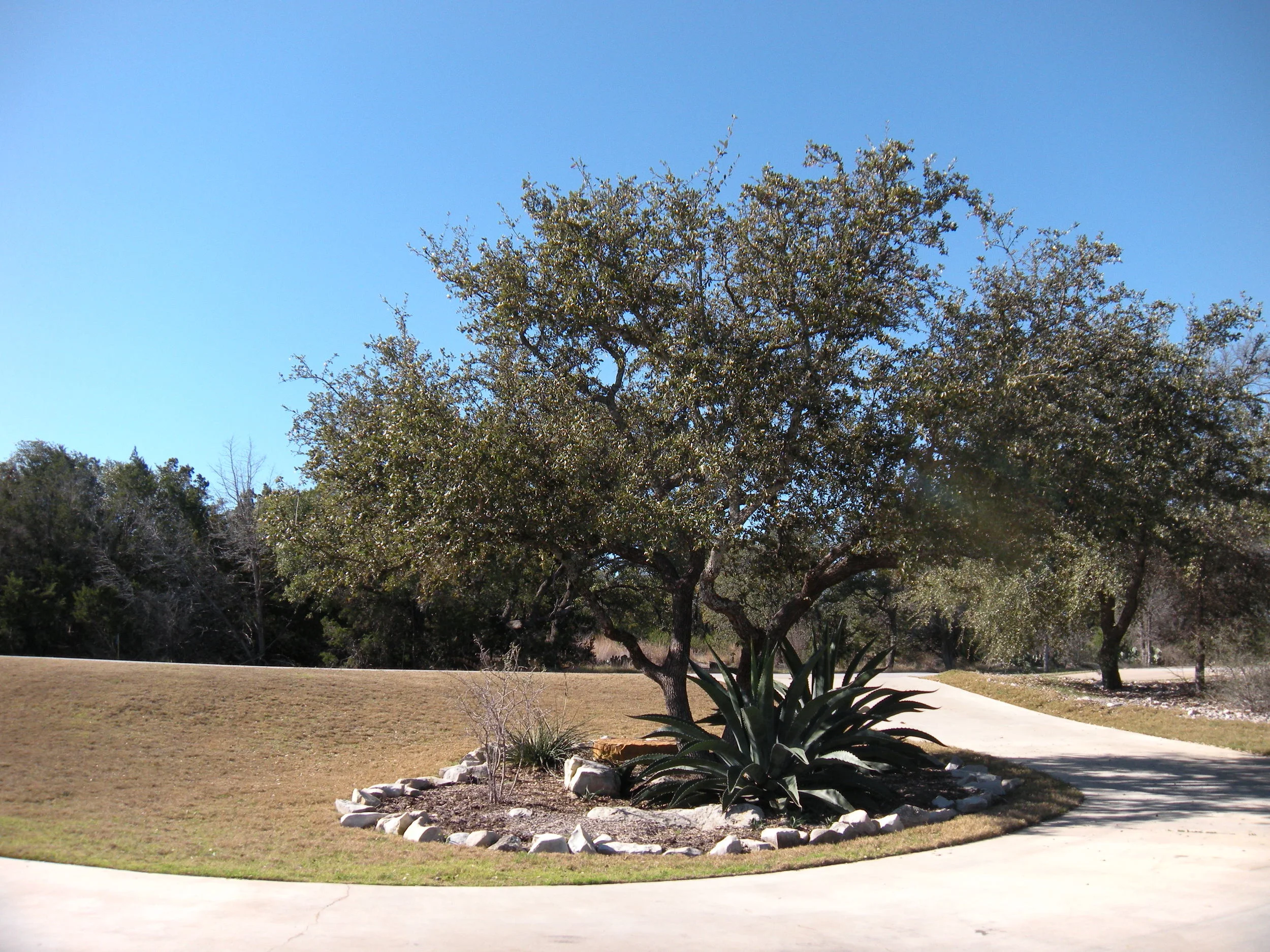
View from our front porch.  

View from our front porch.  

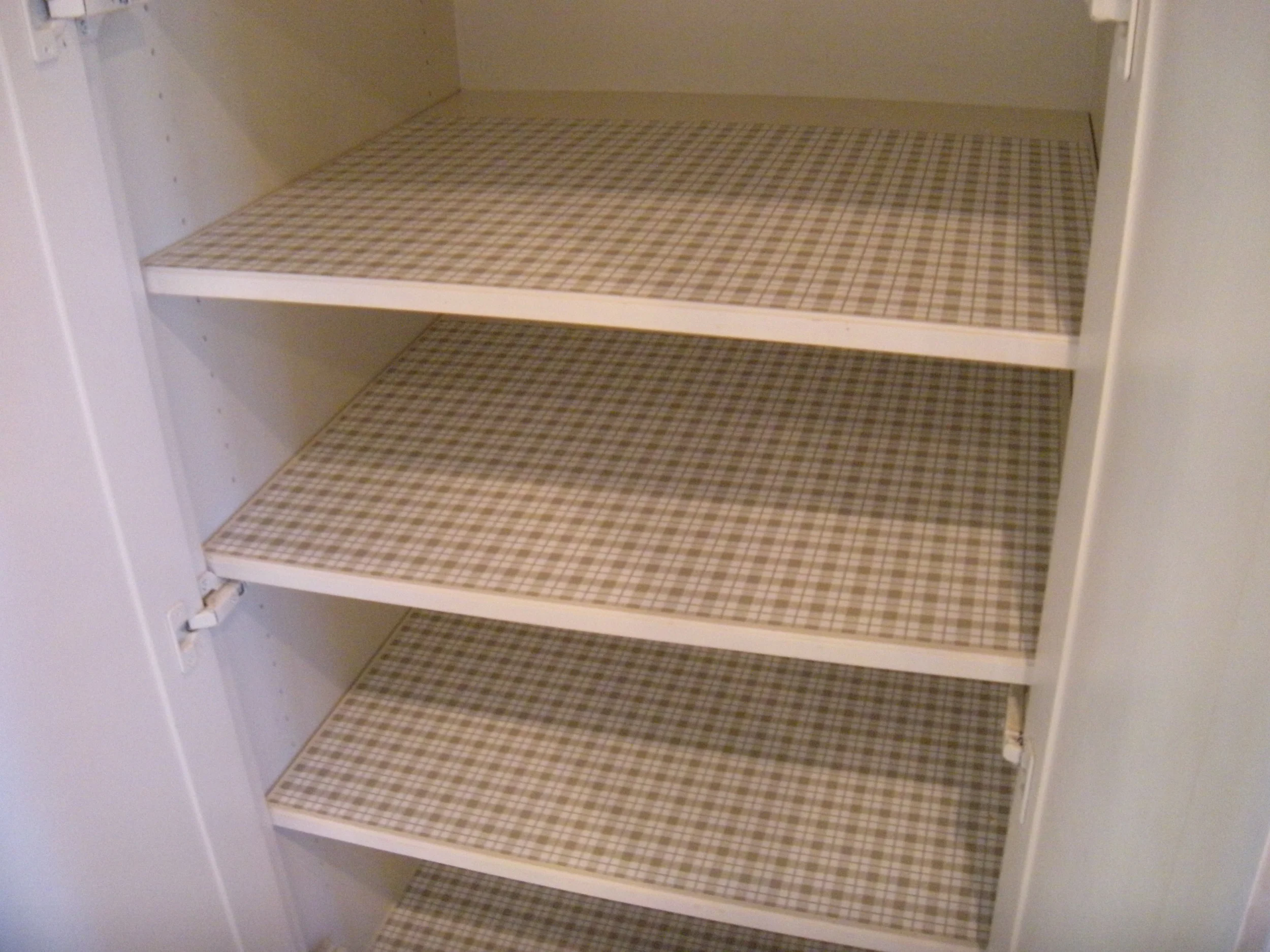
Shelf paper makes the shelves look clean and ready to receive stuff.  

Shelf paper makes the shelves look clean and ready to receive stuff.  

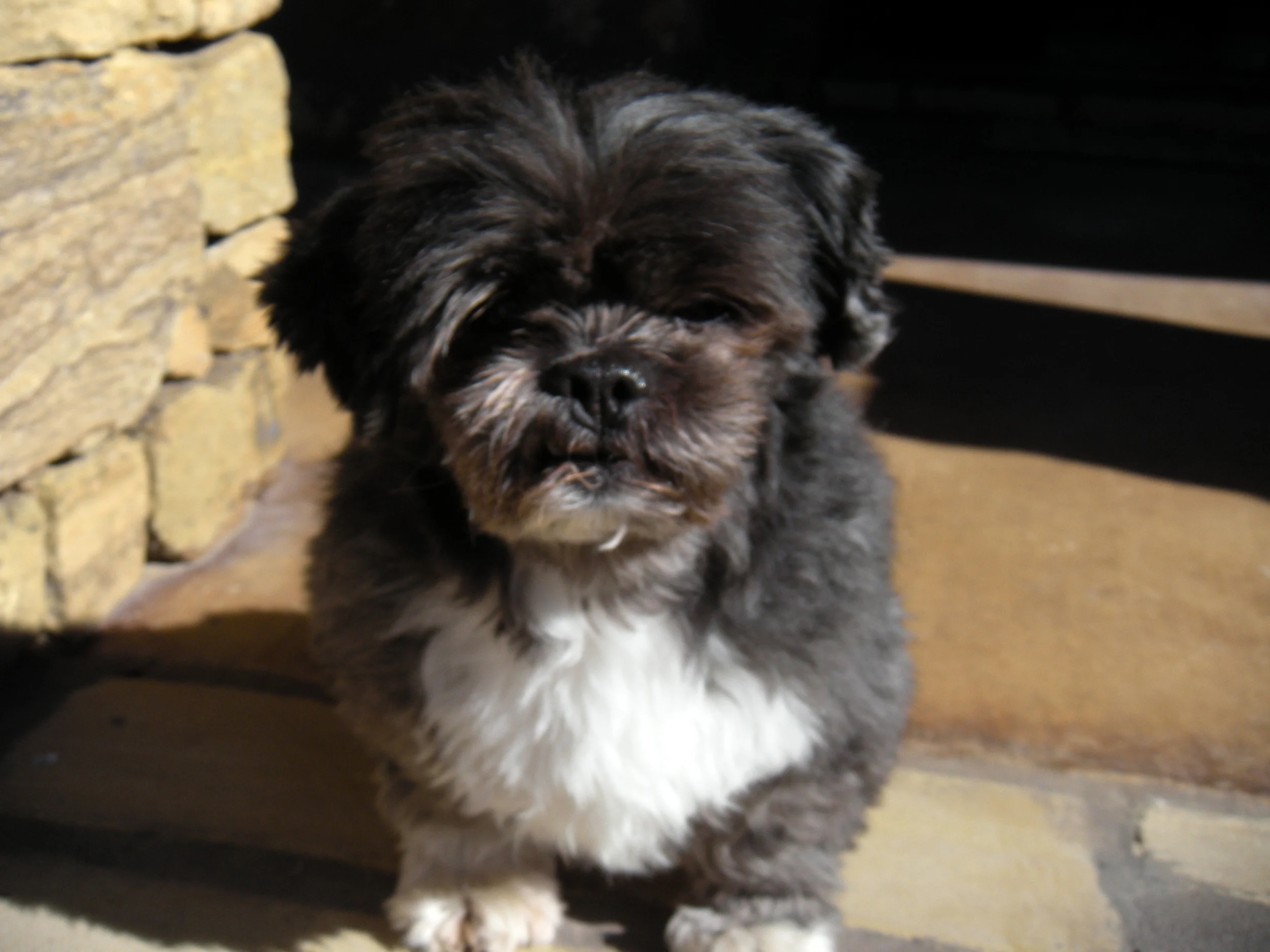
Trip wanted to have his picture taken on the front porch.  

Trip wanted to have his picture taken on the front porch.