Houston to Singapore via Moscow

It’s a long trip, almost twenty-four hours.  The only time I’m envious of anybody is when I’m heading to coach, passing the people who are settling into first class.  I’d love to spread out in a cushioned chair that opens into a bed; to have, all to myself, what amounts to a small cabin.  It would be heavenly not to have to scramble over people to go to the restroom.  I wonder—does the front of the plane smell like recycled farts, too?  Or do they have a filtration system modified to suit the sensibilities of people who spend thousands of extra dollars on something as fleeting as an air flight? 

I take my seat, hoping the flight’s not crowded.  I’ve been on flights before that were almost empty, which allows for sprawling over whole rows.  But it doesn’t happen often.  It’s the second of July, though, which means landing in Singapore on the Fourth, and why would anybody want to celebrate the Fourth of July in Singapore?  So there’s a chance that maybe . . . but even as I hope I recognize the futility.  I saw how many people were milling out there, waiting to board. 

From my window seat, I eye the arriving passengers with mean suspicion.  The neighbor least desirable is a smelly fat man.  I’ve had those before.  Unapologetically, they spill over.  When they shift all three seats shift with them.  In this corpulent age, I estimate I have a twenty-five percent chance of a thin person settling into the seat next to me.  I’m disappointed, but not surprised, when a heavy woman and her child claim the two seats.  This’ll go two ways, neither of them pleasant:  If the kid’s in the middle seat, he’ll wiggle and whine.  If she’s in the middle seat, her flesh will invade my area.  It’s her.  Resigned, I huddle toward the wall of the plane, giving her the space she’ll require. 

I don’t sleep on planes, but I have a system that involves a couple of glasses of sour in-flight wine and a valium, so at least I’m numb during the whole miserable experience.  The movies are uninspiring, but there was a time when only two movies were on offer, so with dozens of options, I easily find something to pass the time.  Also, I’m reading the latest in the Gabaldon series which, in this installment, has the time-travelers trick-stepping their way through the American Revolution.  It’s a fun read.  And the woman next to me is politely containing herself, so that’s nice.  Every time the stewardess passes me wine, it comes within inches of my neighbor’s nose, who drinks only water, which makes me feel like she’s judging me.  But throughout the main portion of the flight she sleeps deeply and, during one of her wakeful moments, when I comment on her ability to sleep on a plane, she tells me she took an Ambien.  So, no judgment there.  We all do what we have to do to get through. 

There’s a stopover in Moscow.  We all get out, hike a dismal hallway, line up for a security check, and are herded through to the transit corridor.  If there’s anything in the world that attests to how economically backward the Russians are, it’s the international boarding area at Sheremetyevo.  There’s a fortune to be made selling comfort to weary travelers, but the Russians want us gone quickly and wretched while we’re here.  It’s a big holding cell—stingy, austere, stuffy.  Touch anything and your fingertips come away smudged with gray.  This is where Edward Snowden took refuge for so long.  Where did he stay?  In the janitor’s closet at the end of the restroom hall?  There are a thousand people and fifty chairs, two restrooms with eight booths each, a few shallow shops stocked with nesting dolls and t-shirts.  In the restroom I take my time at the sink, refusing to be intimidated by the fifteen women who wait, glaring, while I brush my teeth, wash my face, apply moisturizer, comb my hair.  Then it’s back on the plane for another nine-plus hours. 

Singapore welcomes me with humid arms.  What have I missed?  David and Trip, of course.  Also Modesto’s, where David and I split calamari, eggplant, and a carafe of the house red.  The dynamism of Orchard Road, where the leisurely pedestrians entertain without meaning to.  Writers’ Group, where Donna shares her clever poetry, Kelly creates rebellious characters, and Vanessa reads the latest installment of the saga she’s working on.  And Mahjong—the way Susan likes to try new hands, often with impressive results, and Judith hums merrily while she plays, whether she’s winning or losing. 

It’s good to be back.  
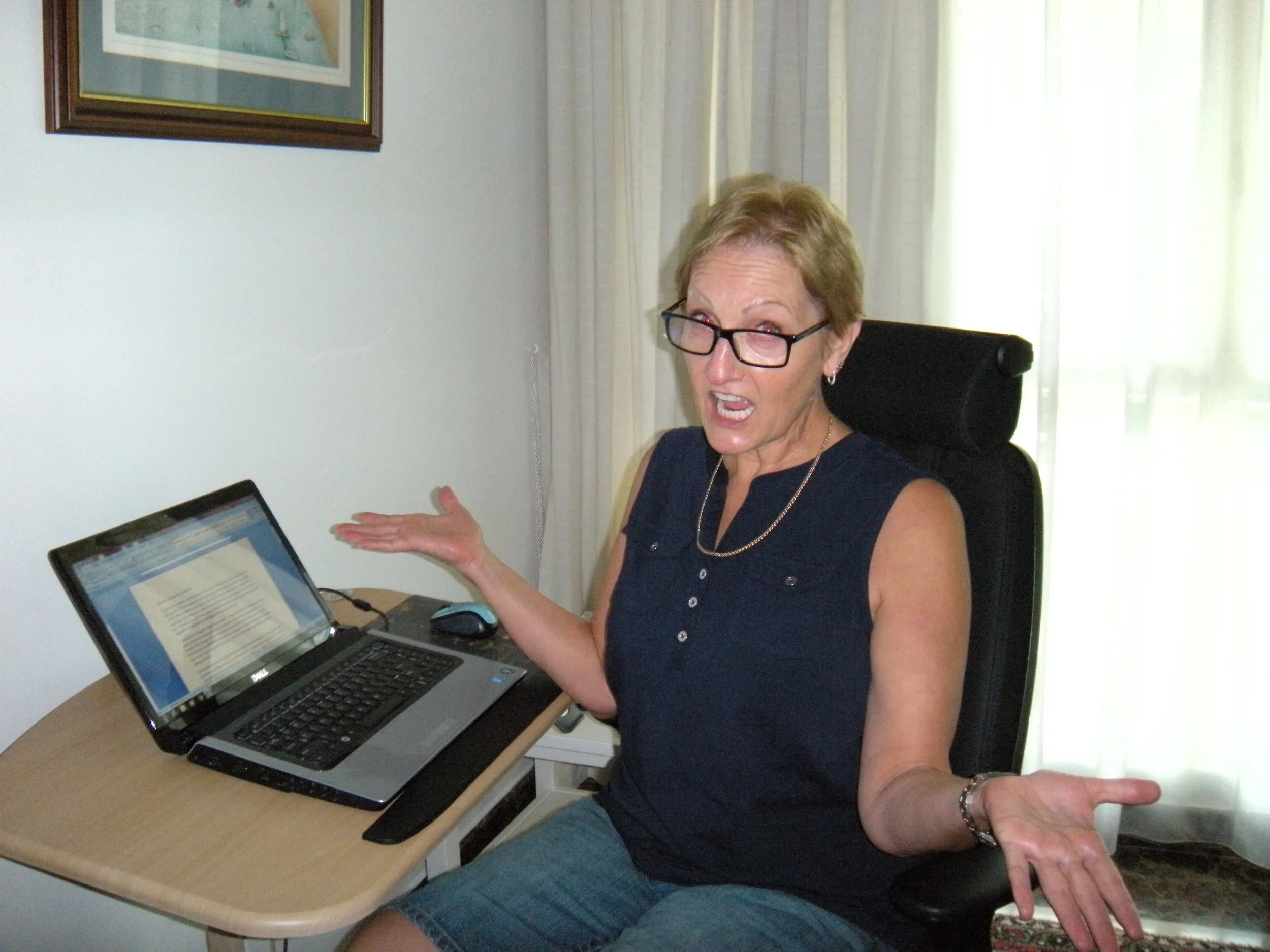
Me at my writing table, looking exaggeratedly apologetic because I forgot to take the camera in my carry-on, so no pictures
Me at my writing table, looking exaggeratedly apologetic because I forgot to take the camera in my carry-on, so no pictures
The Houston Brunch Experience

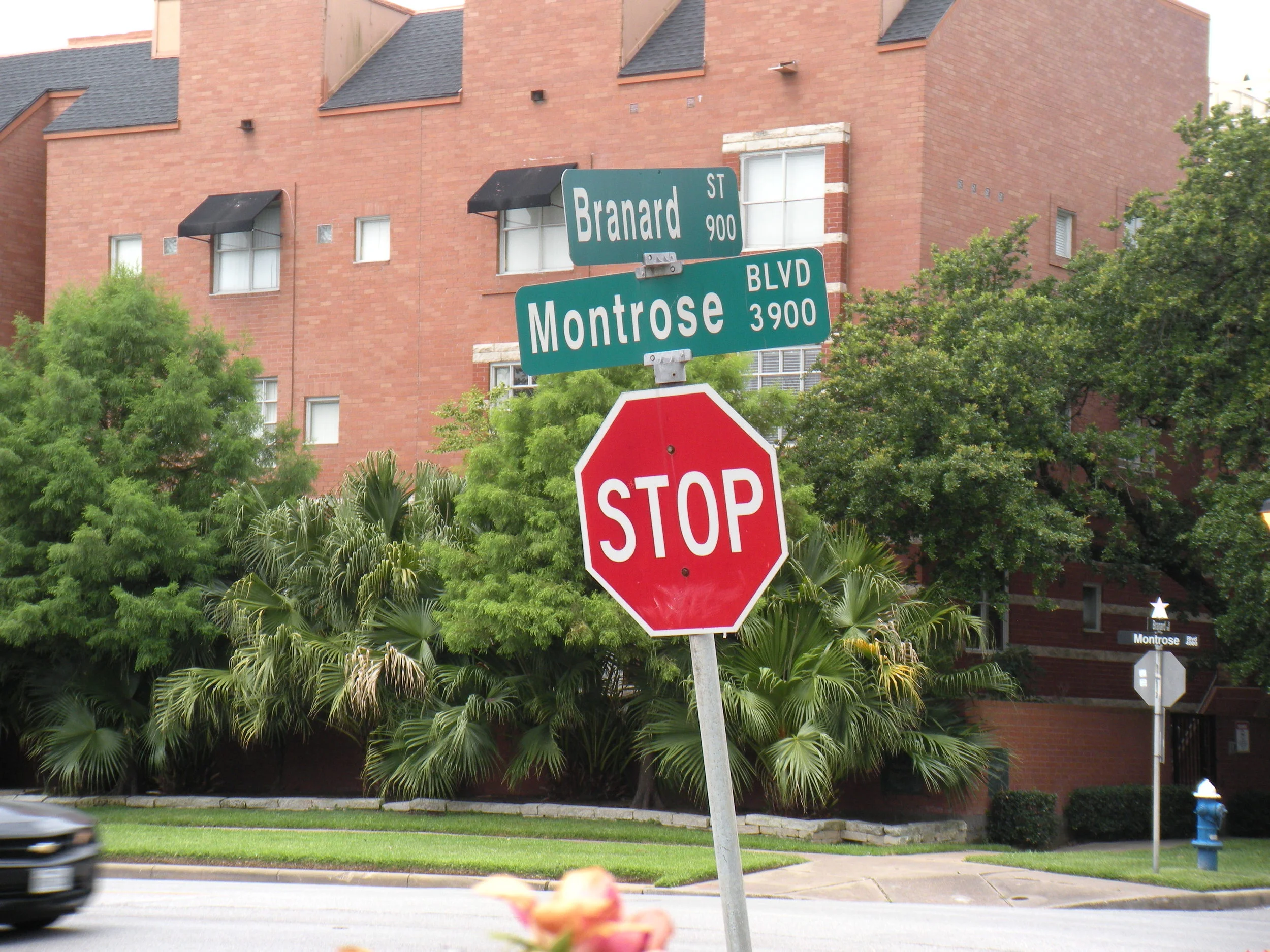
We’re meeting at Canopy, on Montrose, between Richmond and Westheimer.  Curtis is there when I get there.  As soon as I take my seat, someone pops over to take our drink order.  At a glance, I’d say waiters outnumber patrons two-to-one.  We both order Bloody Marys, which come quickly.  This is the most delicious Bloody Mary I’ve ever had.  Everything about it is excellent—spicy, but not too, the perfect dash of Tabasco, the right amount of salt.  The vodka’s a presence, but not an overpowering one.  And the tomato juice is so good it makes me wonder if they make it fresh back in the kitchen.  

Jimmy arrives.  I rise to greet him with a hug.  It’s been years.  He’s an adult now, and taller than I ever thought he’d be.  There’re loads of ways to prepare eggs and Canopy knows them all.  Curtis and Jimmy orders eggs cooked some way or another.  When I ask what the soup of the day is, I don’t actually listen to the answer because this get-together isn’t about food.  I order the soup, which turns out to be edamame.  When it arrives at the table cold and green, well, I have no one but myself to blame. 

Jimmy and Sam became friends in third grade.  Jimmy was a high-maintenance child, a kid who needed an audience for everything he did.  I distinctly remember, at one point, telling him that I invited him over so he could entertain Sam, not so I could entertain him.  But he wasn’t a brat.  In fact, any mother would want him as a friend for her kid—he was honest, funny, kind, imaginative, and enthusiastic.  What I really admired about him, and took as a sign of rare intelligence, was the way he used items for things other than their intended purpose.  In his hands, a window shade became a hat, a house key a mighty sword, and a coke bottle a magnifying glass. 

And now he sits beside me and talks like an adult, telling me about his job and his plans and the football program at A & M.  This is the first time since he was a sophomore in high school that he doesn’t have a girlfriend, and I tease him about that.  His mother raised him to be considerate, and girls like that in a guy.  He catches me up on a few of his and Sam’s other friends—how Michael’s going to med school and has a nice girlfriend, and Bradley’s doing fine, sociable, just like his mother, Mitzi, who always had plans with friends. 

It’s been a fine visit.  We say good-bye.  I’m kind of sad.  He’s made me miss Sam, who’s in Beijing building a life far from David and me. 

Curtis and I head for the fun shops on Westheimer.  Walking through musky old stuff is one of my favorite things to do.  Some of the pieces are quality antiques; others are whimsical, and not worth much.  Often trendy shops will overcharge, so I’m surprised to see some good deals—furniture in good condition that costs a fifth of what you’d pay for new, though I’d never consider buying upholstered couches and chairs.  Who knows who’s sat there and what they were wearing, or if they were wearing anything at all.  What I enjoy most are the set-arounds—decanters, crystal, cream pitchers, vases.  I like to look at the pretty things and think about where they’ve been and who owned them.  I always find surprises, too.  There are little mugs in the shape of men’s faces, most of them bearded with lumpy noses and heavy brows.  Some of them sinister, some bumpkinish.  Apparently there’s a whole line of the things; people collect them.  Who are these people?  Why? 

As we stroll through the shops Curtis tells me about what’s going on at work, what the partners are up to, how a co-worker is floundering, what cases they’re handling.  He chuckles when he describes how people in the office tease him about his car and the clothes he wears on casual Fridays.  I’m glad he likes his job.  Next Sunday we’re going to do brunch again—and afterwards we’re going to the estate sale of a wealthy suicidal hand surgeon.  Good times.  

The place to be

The place to be

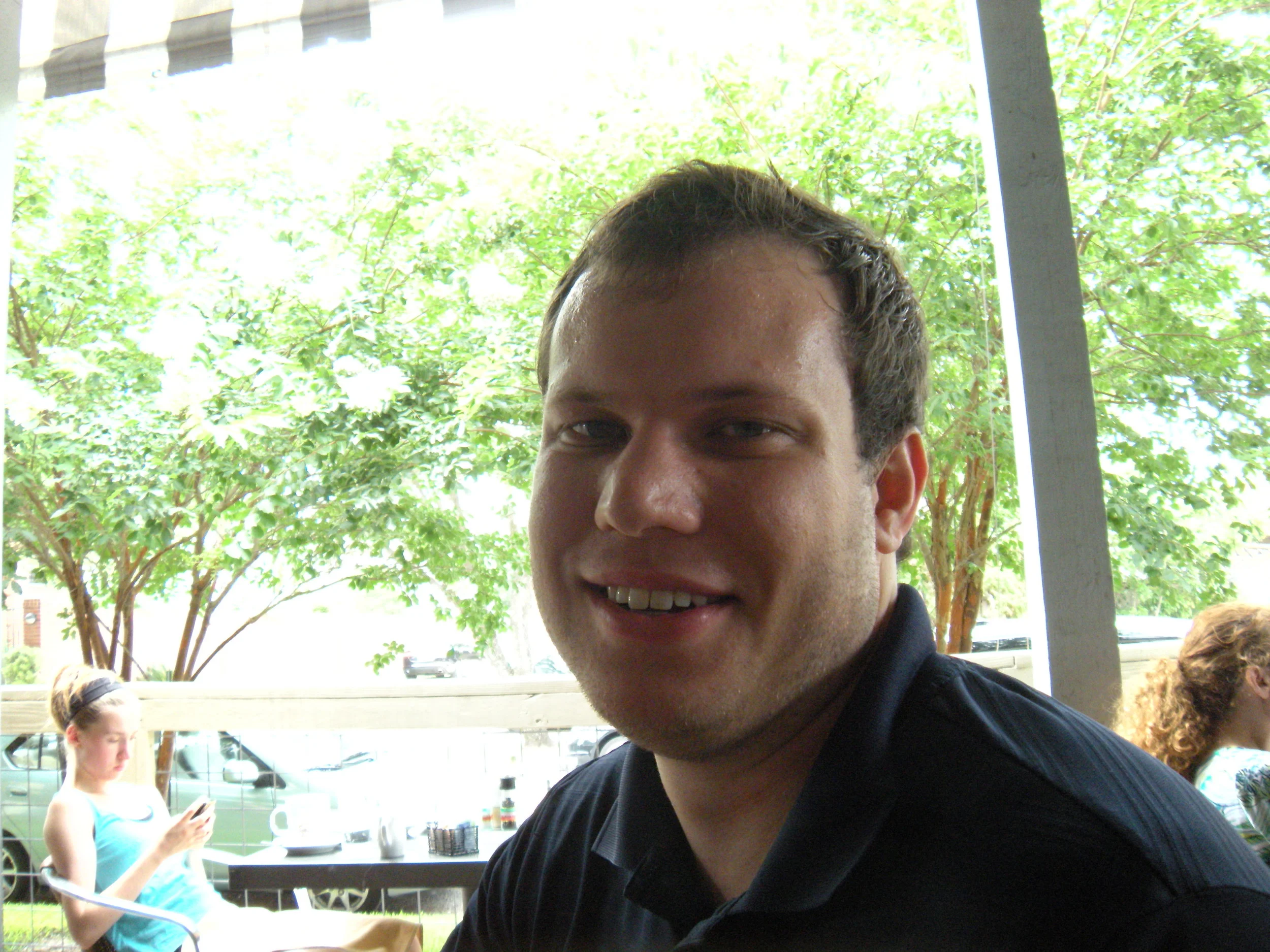
Here's Jimmy.

Here's Jimmy.

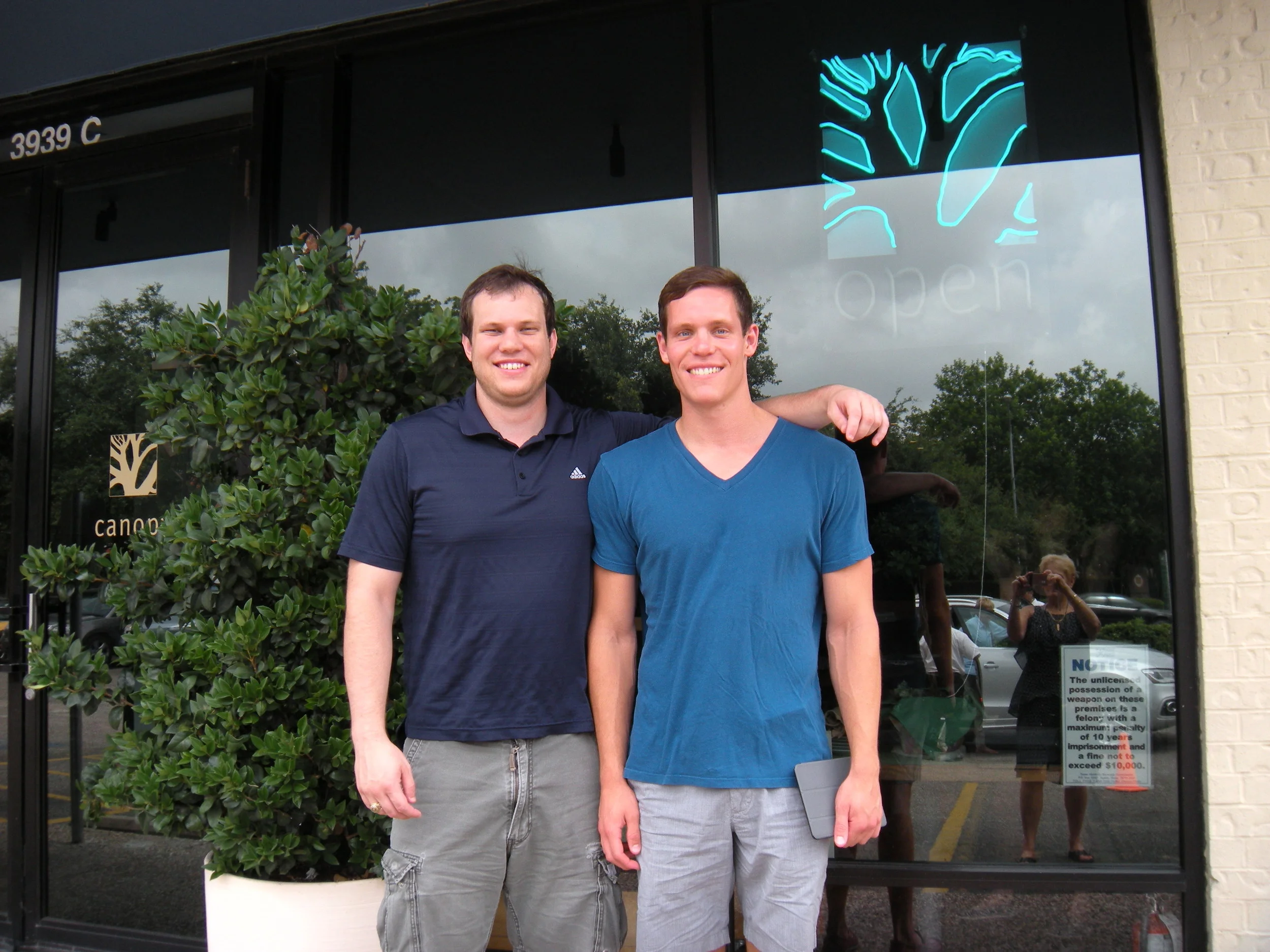
Jimmy and Curtis outside Canopy.  See me taking the picture?  

Jimmy and Curtis outside Canopy.  See me taking the picture?  

Rock. Literally.

Jagged edges, it rests on its side, rising from the table like a hill—or, if you allow, a jebel, which is a hill in Northern Africa; and, like an actual jebel, is the color of sand, just like the jebels we saw when we lived in Egypt and we left the city, smoky from burning garbage.  And in the desert, hills of sand as far as sight permits.  Jebels. 

Just this morning the rock was on the Terry Hershey Bike and Walking Trail.  Now it’s here, on the table.  Plucked up by me, and me looking at it, telling myself that a good writer can make any ole thing interesting, and accepting the challenge. 

Almost a triangle, this rock.  Asymmetrical, rough, representing rocks throughout the world.  Wind abraded; water cut, left scars; grinding and knocking against its brothers, becoming smaller and smaller until it’s the perfect size and the perfect shape to become wedged deep between the tender pads of a collie’s foot.  The dog limps, stops to dig with teeth at the sharp pain.  “Here, let me,” says his best friend, a man whose belly is big.  Out here walking because he’s been told to exercise, to lose weight if he wants to live!  Bending, he frees the rock, tosses it, and it comes to a stop in a fissure, insignificant to the man’s foot, but to the rock, a major split in the surface of the earth, a crevice created by flowing water, flowing from high to low, from jebel to wadi, like all water at one time or another, and now the rock is part of its topography, a boulder in this mini-canyon. 

Until a woman trips and sends it flying.  The woman bald on account of chemo.  Scarf wrapped, colorful head, and when she falls she hurts, more than a healthy person would hurt.  She’s weak and sits there, blood running from the gash on her knee, down her shin.  “Oh, ow,” she says.  “Poor leg.  Poor me.”  But, tenacious like an action hero, she gets feet under and rises, skinny and gray like a worm.  Did the rock trip her?  No.  Her toes don’t grip.  Feet without flex.  Ankles stiff.  She hobbles away, looking for morning joy. 

Flung from its gully-bed by cancer woman.  Then nanny with stroller.  Rolled-along toddler, golden hair, sings La-la-la.  Illegal, the nanny, paid way less than a legal one, which would be very expensive indeed for the toddler’s family, sales couple at Toyota, but low on the chain.  Heavy-footed, she pushes, wheels crunching.  Also chews gum.  Her mother not well in Chihuahua.  Brother disappeared last year.  Gone where?  Cousin’s husband hits with fists.  Nanny prays for these.  Toddler sings La-la-la.  Nanny doesn’t pray for toddler, who will do well without alien prayers. 

Stroller wheel catches rock at angle, skips it off path, into grass.  Two years before city mower shoots it back to path with RRRR—whoop whoop whoop!  And woman who misses husband and dog in Singapore, bends, plucks it up with stubby fingers, and shows an unexpected interest.  

The rock in the grass

The rock in the grass

DSCN1854.JPG

Walking and Writing in Houston

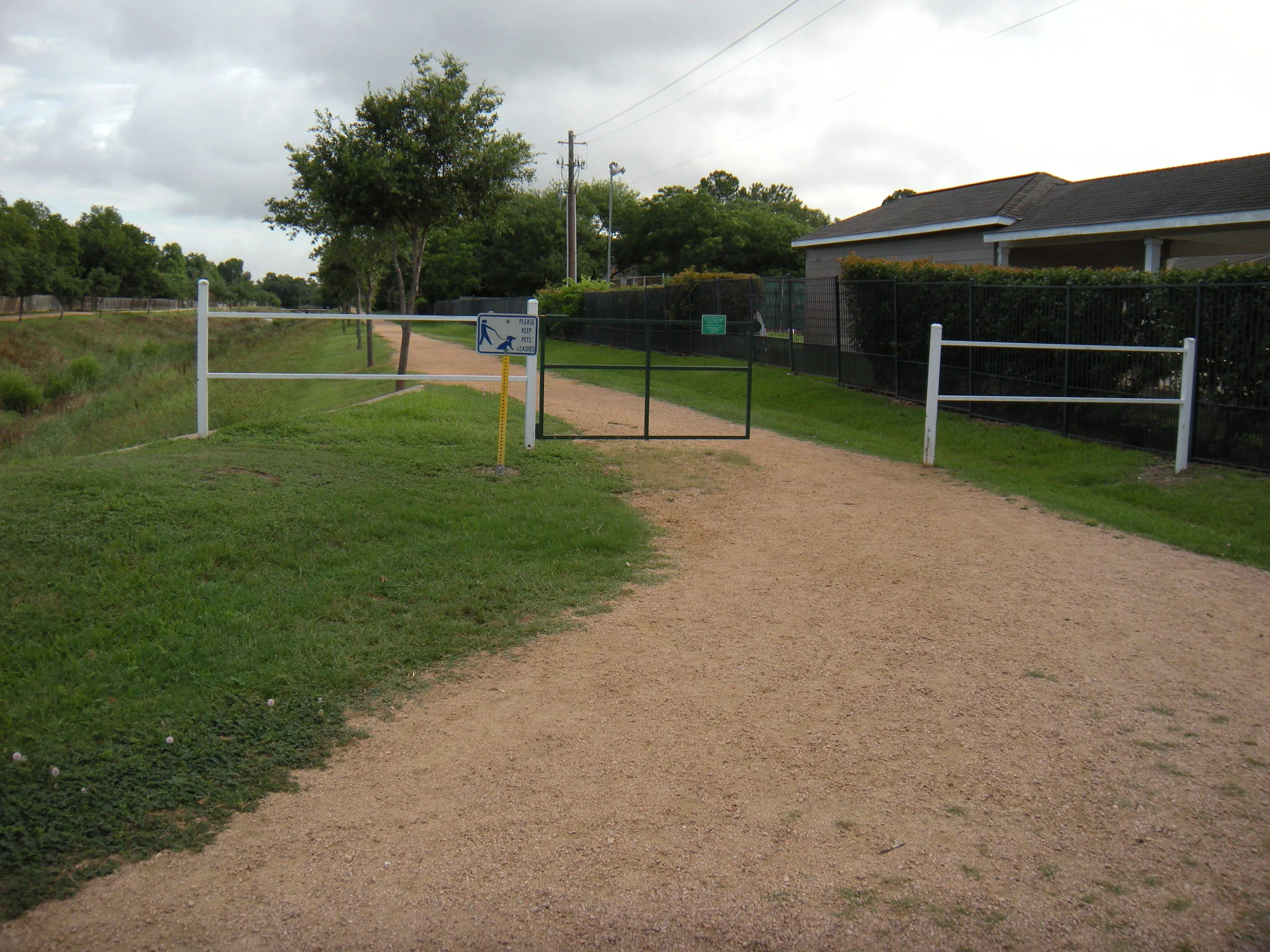
On Monday, Wednesday, and Friday mornings the caregiver arrives at eight.  By eight-fifteen I’m out the door for my walk.  There’s a trail about five minutes from Trina’s house.  The path runs adjacent to a canal, which leads to Buffalo Bayou, very naturey.  I walk out for half an hour, then turn around and come back.  This time of day the shadows are long and the breeze is fresh, though humid; in Houston summer, always humid.  The tat-at-at-at of woodpeckers and the songs of mockingbirds drift from the trees and bounce off the back fences of the homes that border the open area. 

As my feet crunch along on the path, my thoughts turn to the novel I’m currently working on.  My main character is a blend of damaged child and bully.  She claims to be helpful when she’s really manipulative.  She doesn’t recognize the line between concern and intrusion.  She’s intriguing to write and I enjoy having her in my head.  But I worry that her dark complexity is too heavy for the plot, which is lightweight, meant to entertain.  Is this a bold contrast or a foolish one?  I’m at the point where I usually panic—I need to see the ending, and I don’t.  This happens every time, and I know what’s coming.  In the next week or two a full picture will pop into my mind, either during that coming-awake period at the end of a night’s sleep, or when I’m out walking—and then I’ll know where I’m going, how my characters will grow, or not grow, and how I’m going to weave it all together.  But until that happens, I press on doggedly, faithfully.

A frog, no larger than the nail of my thumb, hops across the path.  Tiny frogs are cute.  A couple and their dog ambles toward me.  We exchange good mornings.  A heron flaps and rises from the narrow muddy stream to my left.  Considering the number of dogs out here, the place is pretty clean.  Houston dog owners are polite.  Oh, and look, some kind master has cut a square hole in his fence so his dog can observe the comings and goings on the trail.  Hello dog. 

Several days ago my sister, Resi, asked me to send her a copy of Urban Legend: Cats (the title says it all).  The plot is a simple one—a paranoid hypochondriac sneaks into her neighbor’s cat-infested house, snatches cats, and distributes them among her friends.  I wrote it ten years ago and it needs some updating and editing, which I’ve been meaning to get to.  So I asked Resi to give me a month or so to clean it up.  But the manuscript’s an unwieldy beast, so many extra words that I’m horrified I ever allowed anybody to look at it.  Unnecessary phrases, long explanatory passages, redundancies—oh my.  At the beginning of this process it weighed in at a hundred and fifteen thousand words.  I’m a sixth of the way through it and I’ve already cut ten thousand.  After this run-through, I’ll do it again, and then probably once more.  By the time I’m finished, it’ll be sharp and lean.  It's a very funny book.  

I’m on the home stretch—past a school, past a street-repair site.  This is typical—they’ve dug a large maw in the dark earth; the large pipes are stacked to the side, ready to go in; and adjacent to this mess sits the replacement grass, which they won’t be ready to put in for at least two weeks.  Sitting in the hot sun for at least a week, the pallets have already turned brown.  A man stops his leaf-blower when I go by, and I wave thanks to him.  I rush in from my walk, take a shower, throw on my clothes.  The mall is twenty minutes away.  If I’m at the mall when the stores open, I’ll have forty minutes to do some damage to the credit card, and I’ll still be home by eleven, when the caregiver’s shift is over and mine begins.  

Here's a nice walk, just a couple of blocks from Trina's house.  

Here's a nice walk, just a couple of blocks from Trina's house.  

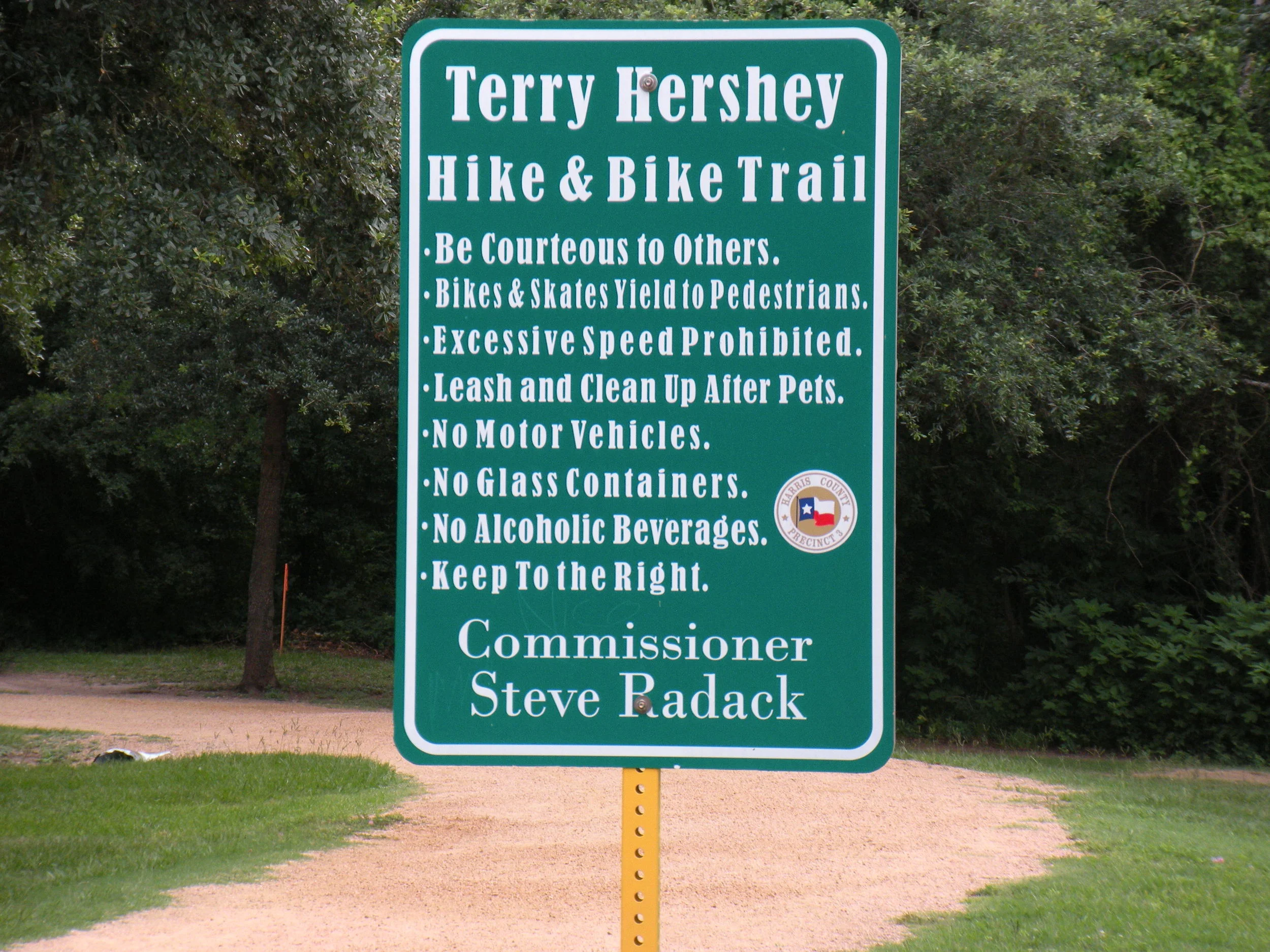
People need to be told how to use the trail, or else they'll misbehave for sure.  

People need to be told how to use the trail, or else they'll misbehave for sure.  

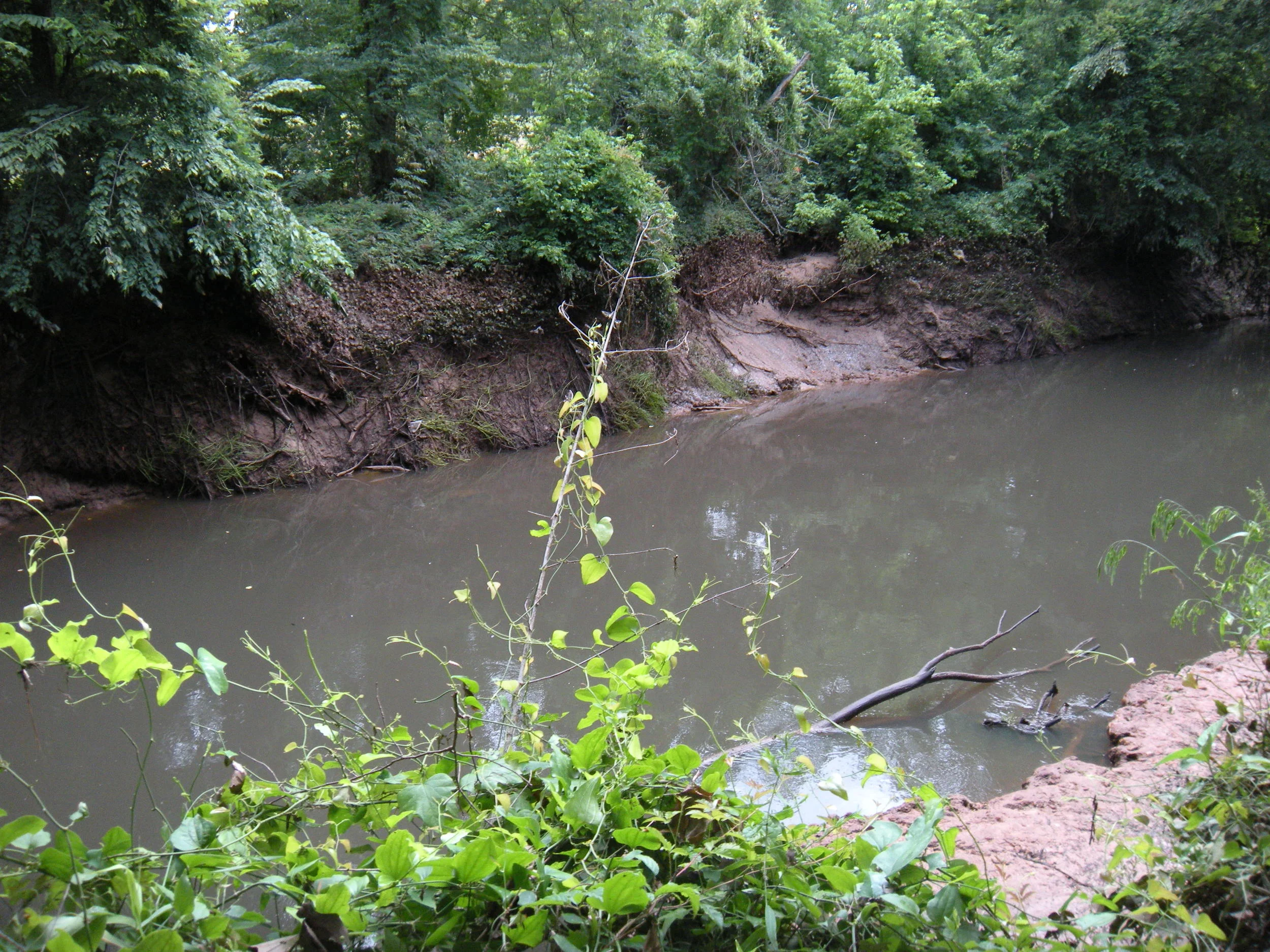
Buffalo Bayou

Buffalo Bayou

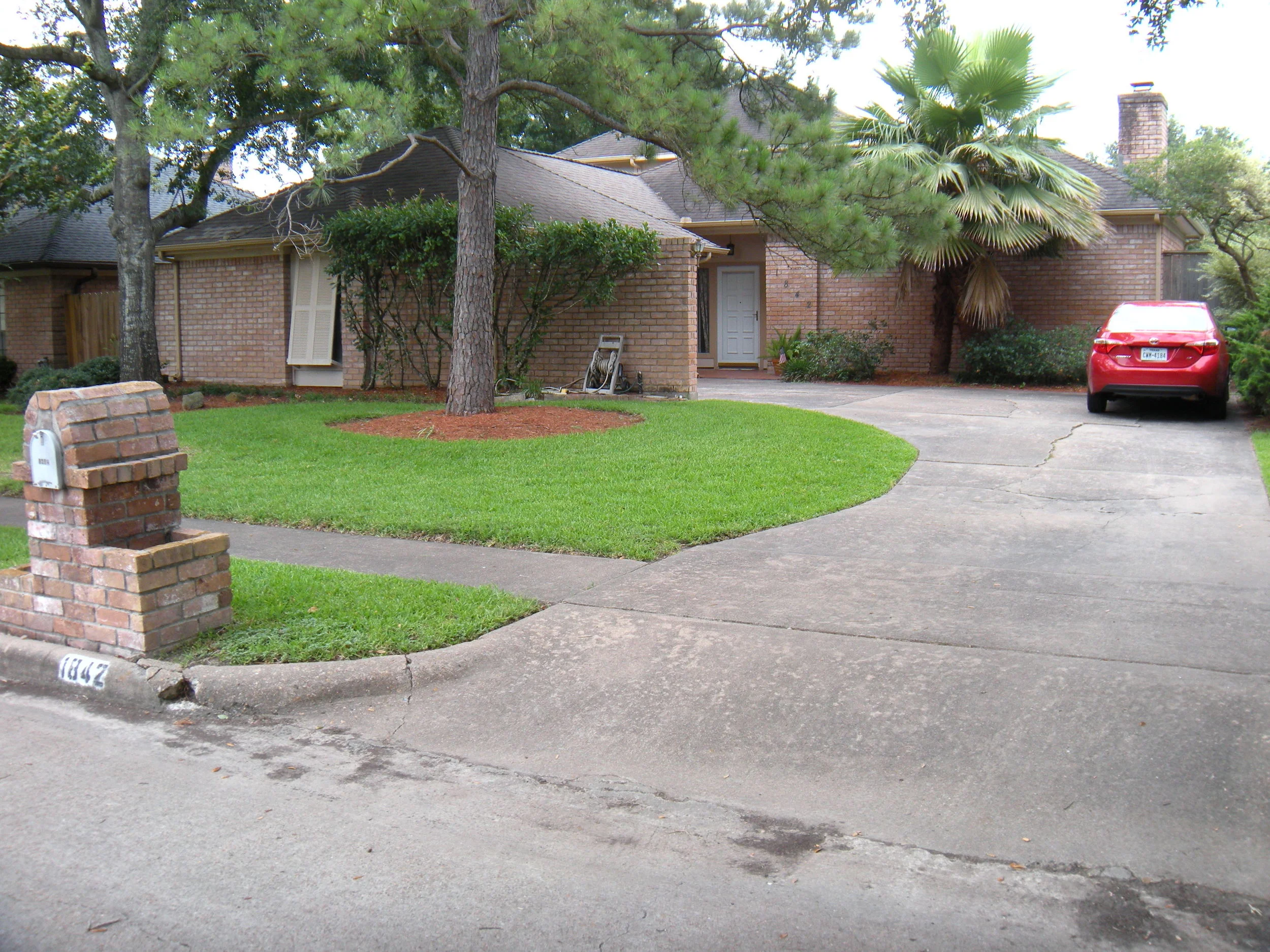
Trina's house.  The corolla in the driveway is my rental car.  The curb doesn't look like it's at prohibitive, but it obviously is.  I've clunked over it every time I've reversed out of there.  

Trina's house.  The corolla in the driveway is my rental car.  The curb doesn't look like it's at prohibitive, but it obviously is.  I've clunked over it every time I've reversed out of there.