Texas Wine Adventure

This weekend David and I are hosting a tasting at a local winery.  Tere, Anna, and Curtis come to the house, and we drive from there.  We meet the rest of our friends at the winery.  The place is bustling.  A tour bus has recently arrived.  I check the twelve of us in at the counter and we’re led to the mashing floor where we’re given a history of this particular winery (I’m not really captured at this point); and then we listen to a lecture about the process (mildly interesting to the science-minded).

I’m distracted because I’d rather spend time with my friends than the wine.  Only Tom and Gitte are relatively new to us—David met Tom through Habitat, and we look forward to getting to know them better.  Except for Curtis and Anna, the rest are people I went to high school with in Amarillo; and spending time with them is a nostalgic business, stirring up memories of my hometown and old times and what it meant to have adventures with good friends.  No one knows you as well as your buddies from way back when, and I want to race ahead to the social part of the day, the conversations and catch-ups.  But first we must hear about what to do with grapes. 

Wine is not something I associate with the hill country of Texas, but apparently it’s a big deal; we’re practically Napa of the south.  The road between Johnson City and Fredericksburg is packed with wineries, and twenty-seven more permits have been issued for the next year. 

Few of the Texas wineries actually grow their own grapes—oh, there are vines in nearby fields to lend ambiance, but to produce the amount these wineries bottle, the vintners must bring in grapes from Oregon, Washington, and—this one amuses me—Lubbock.  Yes, Texas Tech friends, Llano Estacado still marches on; and surprisingly their grapes are revered. 

After the educational segment, the twelve of us circle around a table while a presenter pours a small amount in each of our glasses, elaborating with great enthusiasm about the types and combinations of grapes used to make each wine; the inspiration behind the wine; the flavors drawn from the soil; the weather requirements for the sweetest grapes and the thinnest skins—this goes on for a long time while, nestled in my palm, is a glass containing ten drops of wine.  We all don interested expressions, though mainly what we want to do is down the wine and move on. 

Being surrounded by these people that I’m so fond of makes me ponder the question of why, for all these years, I’ve felt bitter toward my hometown.  Amarillo was brown and windy and the people seemed unimaginative and inert.  I felt, when I was young, that the primary goal of the collective population was conformity.  No exotic flowers were allowed to flourish in the infertile soil.  Success was a good thing, but too much of it was impolite.  Yet, considering this exceptional group, the majority of which come from there, I realize that I’ve been closed and wrong.  The hard dirt of the panhandle, despite the mediocre schools and the derivative mindset, gave the world some exceptional people.  Back to the wine.

Each winery has a club.  If you join their club you get three bottles of wine three times a year, a free glass of wine at the winery once a month and, periodically, a free tasting.  Also, you get a members’ discount on every bottle.  Several couples we know have joined three or more wineries, which causes me to surmise that these wineries are thriving because all the retirees in Marble Falls and Llano are desperate for something to do. 

A counter-intuitive aspect of this winery culture is that the people who wear matching shirts and strive to find original adjectives are not necessarily employees—in many cases they’re volunteers who are actually reimbursed with bottles of wine.  Am I wrong, or is this the opposite of volunteering?   

After we’ve finished the testing we move to the patio, a shady area with a view over the vineyard and a live band set up in the corner.  Our friends pull two benches together while David and Curtis transfer snacks from the truck.  I hang back to buy bottles of wine.  We drink and eat and laugh and tell jokes.  A cake comes out and we sing happy birthday to Curtis and David, finishing the bottles just as the winery is closing—but it’s too early for us to say good-bye.  We invite everyone to our house, which isn’t far, where we sit around the fire pit, look out at the cedars and hummingbirds, eat more food, and drink more wine.  Slowly people depart.  Tom and Gitte ran a five K this morning and they’re exhausted.  (Congratulations on placing first, Gitte!)  Nonny and Mary Ann have a long drive to get home.  (Bye, drive carefully!)

Then around the circle it’s just Diana and Charlie, Tere, David and me.  Curtis and Anna listen from a nearby lounge chair, unimpressed by our reminisces, which are foreign and absurd to them—a legal drinking age of eighteen, the get-high-for-lunch-bunch at school, kids skipping classes because they were so bored, bored, bored.  Tere and Diana were two of my best friends from high school.  We have stories.  A while later Diana and Charlie head out.  (See you soon!)  The kids go to bed.  Tere, David, and I stay up talking.  It’s been a long time since I’ve had a chance to pick Tere’s brain and, as always, there’s much to be learned.  She’s heading in a new direction, passionate about new evidence proving the correlation between mental and physical well-being; positing that when self-contempt (we all hate ourselves a little) is replaced with self-compassion (forgive yourself), a person is not only physically healthier, but healing is more likely to occur.  (Hope it goes well, Tere!)

It’s after one when we get to bed.  In the morning David calculates that we drank wine for ten hours straight.  Babe, we’re too old for this. 
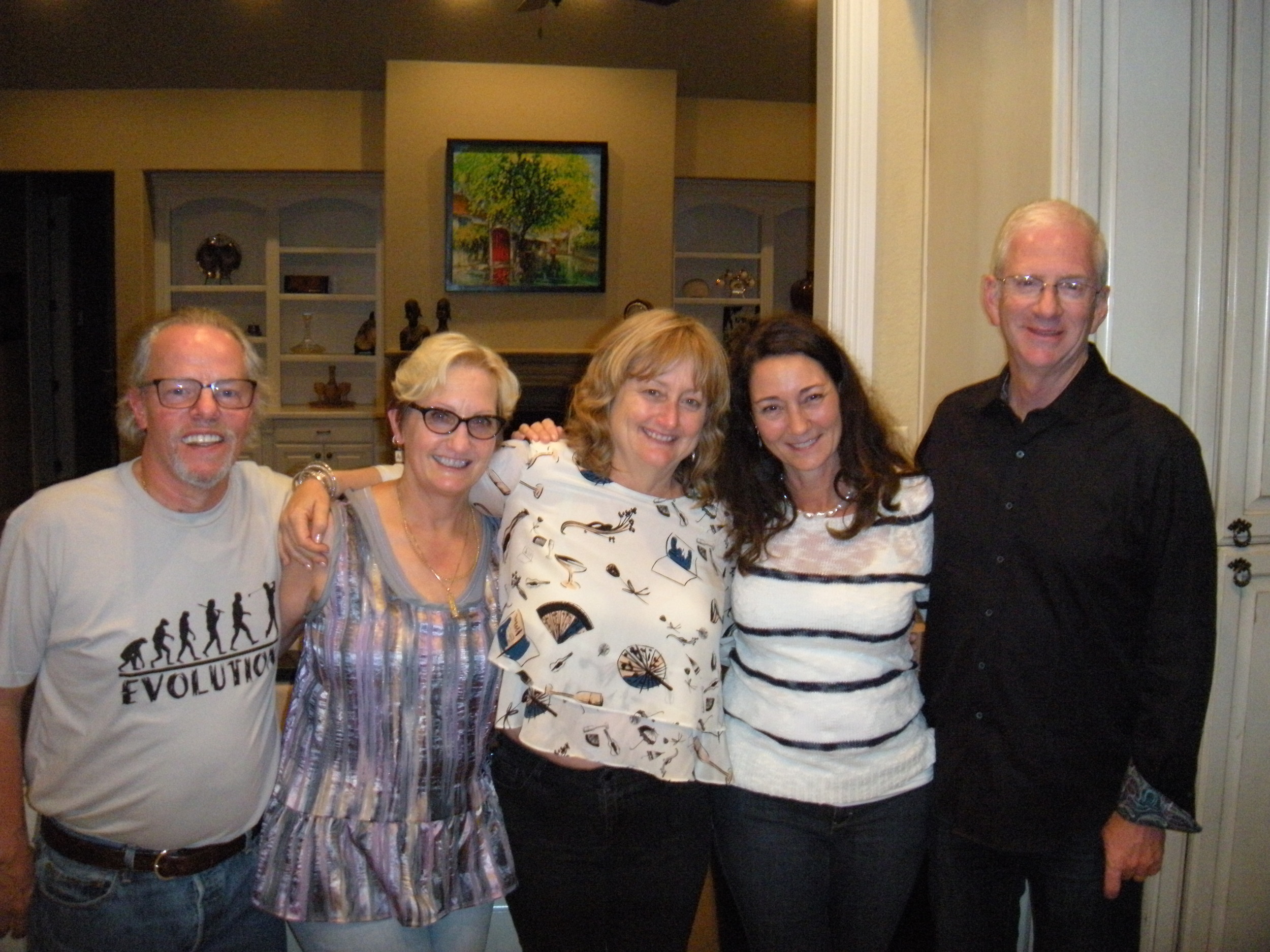
David, me, Tere, Diana, and Charlie.  

David, me, Tere, Diana, and Charlie.  

At the winery.  Nonny and Mary Ann in front.  Mary Ann helped pass out cake.  Thanks, Mary Ann. 

At the winery.  Nonny and Mary Ann in front.  Mary Ann helped pass out cake.  Thanks, Mary Ann. 

Tom and Gitte.  David and Tere in chairs.  Our back yard.

Tom and Gitte.  David and Tere in chairs.  Our back yard.

On a different topic:  The cleaning lady occasionally brings her nine-year-old daughter with her.  The little girl scratched this into the leather of our new custom-ordered couch.  We are heartsick.  
On a different topic:  The cleaning lady occasionally brings her nine-year-old daughter with her.  The little girl scratched this into the leather of our new custom-ordered couch.  We are heartsick.  
A Walk is Good

Walking along the Terry Hershey footpath in Houston, I have issues to ponder.

A couple of years ago I decided to write a mystery series.  There seems to be a market for them.  There’s nothing funny about murder, but I know myself well enough to know that the humor will come through.  Would someone want to read a book on a serious subject that doesn’t take itself seriously?  Sure; I do it all the time.  I can think of several amusing mysteries where people die in bloody horror in every other chapter. 

I wrote the first book, Caprock Snoop, and was pleased with it.  The protagonist, Fran Furlow, is nosey and interfering; a control freak and a compassionate bully; tiny and feisty; and she comes with a compelling backstory.  She lives to get to the bottom of things.  She gets knocked around a time or two, but how else would I show her to be so impressively intrepid? 

Now I’m almost finished with the second in the series, and half an hour ago I wrote myself to a complete stop.  There’s no place to go except forward, but something about the previous chapters nags at me.  Did I take a wrong turn?  Write an inconsistent dialogue?    

So, a walk to clear my head. 

Here’s the plot:  Someone’s murdering Caprock’s senior population and leaving their bodies in unexpected places—the back of a car, the gazebo in the park, the locker room at the city pool.  Clues and suspects pop up everywhere and Fran sorts through the plethora.  Meanwhile, she obsesses over her friends’ bad habits, attends support groups, and deals with her two co-workers who, after thirty years of working in the same office, decide to abandon their spouses and move in together. 

Are the motives of the villains—a grandmother/grandson duo—believable?  When confronted by Fran, the grandmother claims the deaths to be mercy killings—the victims are in pain and suffering from dementia; but the grandson has been robbing the victims, which is hardly altruistic.    

My mind veers.  I’m here in Houston to give moral support to my sister.  Her boyfriend of twenty years died a couple of months ago, and last week our mother wasn’t able to get out of bed.  It was time to call in hospice care.  And now helpful strangers are popping in to do evaluations, discuss the legalities, and prepare Trina for what’s coming. 

Trina is exhibiting undeniable signs of depression.  I won’t get into the personal bits of it, but she’s really going through a hard time.  I’ve seen her become desperately anxious, almost panicked, over what’s coming.  She’s closely involved, almost intertwined, with our mother.  This is going to be painful.  As I put one foot in front of the other, I promise myself that I’ll do better, get down to Houston more often, call more.  Trina needs to know she’s not in this by herself, though she pretty much is. 

Back to my analysis.  Why did the grandmother and her grandson leave the bodies in such peculiar places?  It was an interesting turn when I wrote it, but in the end the purpose behind it seems weak.  The explanation the grandmother offers is that they were trying to publicize the plight of the demented elderly, a lame rationalization.  There must be another, more credible, reason for the weird choices.  Perhaps some psychological significance to each location?  This is the inherent difficulty in my organic method—sometimes I write myself into the back of a cave, at which point I’m forced to retrace, rethink, and rewrite.  Hair-pulling is involved. 

As the backbone of the book is the strong main character, is the inexplicable location of the victims really that important?  Of course it is.  An irrefutable component of the bond between the writer and the reader is that if a writer doubts what she’s writing, the reader will, too.

The air is warm and humid.  The foliage is lush and green, and the birds are loud and cheerful.  I take a deep breath of the heavy air and sigh it back out.  All will be well.  I’ll fix the story.  Trina will get through this.  Our mother will get to where she needs to be.  Though I was glum when I started out, my heart feels lighter as I arrive back at the house. 

I’m inside for only a minute when there’s a knock on the door.  It’s the hospice minister.  Not too concerned that I’m a sweaty mess, I invite him in.  He seems a mild man, unexpectedly large and hairy.  Trina greets him and leads him back to the bedroom where Momma slumps in the hospital bed and looks out at surroundings that are incomprehensible to her.  She’s more feral than domesticated these days.  Yesterday when she was hungry she lifted Trina’s hand to her mouth and bit it.  I hope she doesn’t bite the minister! 

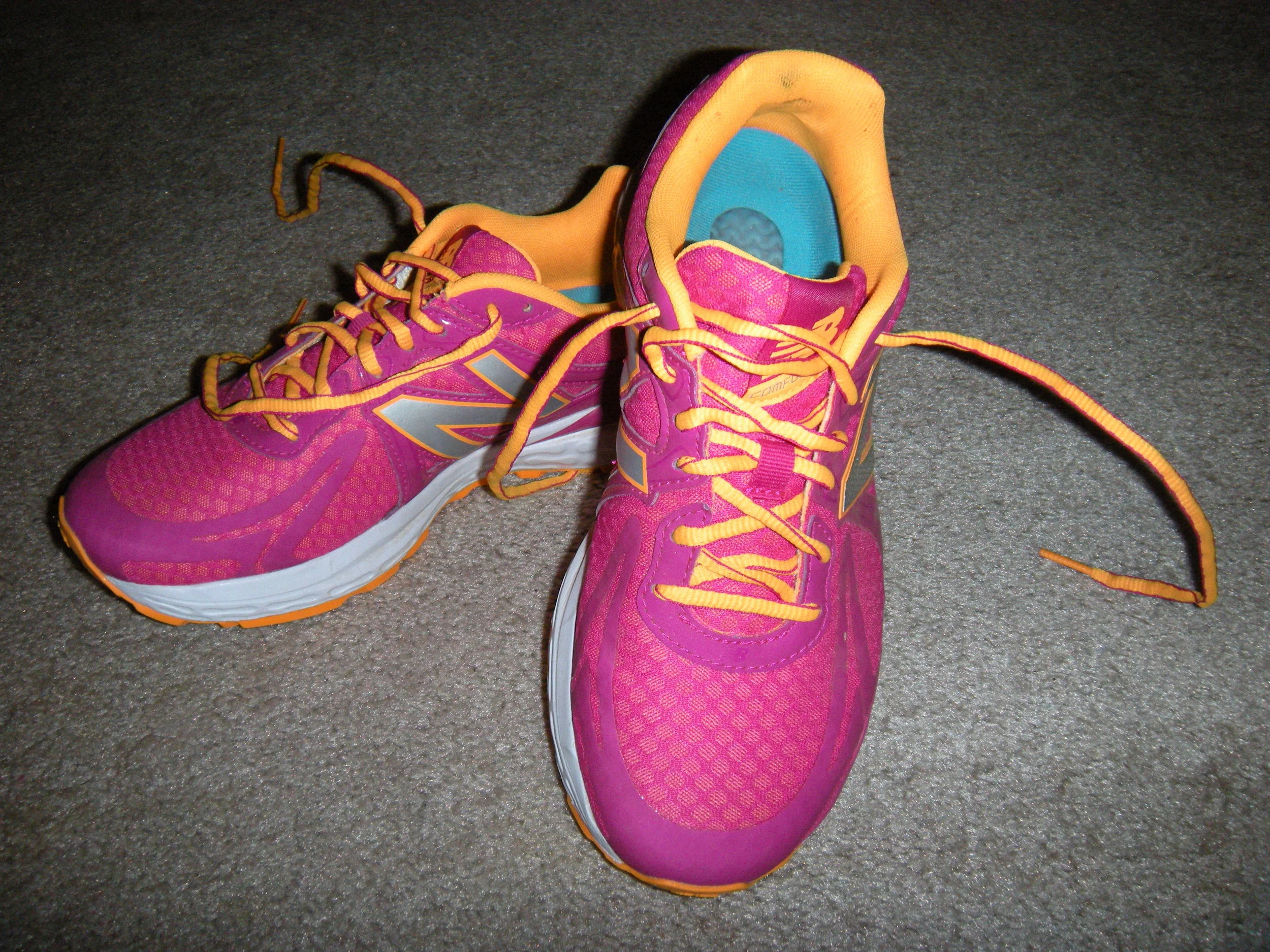
These shoes that I walk in are absurdly garish.  

These shoes that I walk in are absurdly garish.  

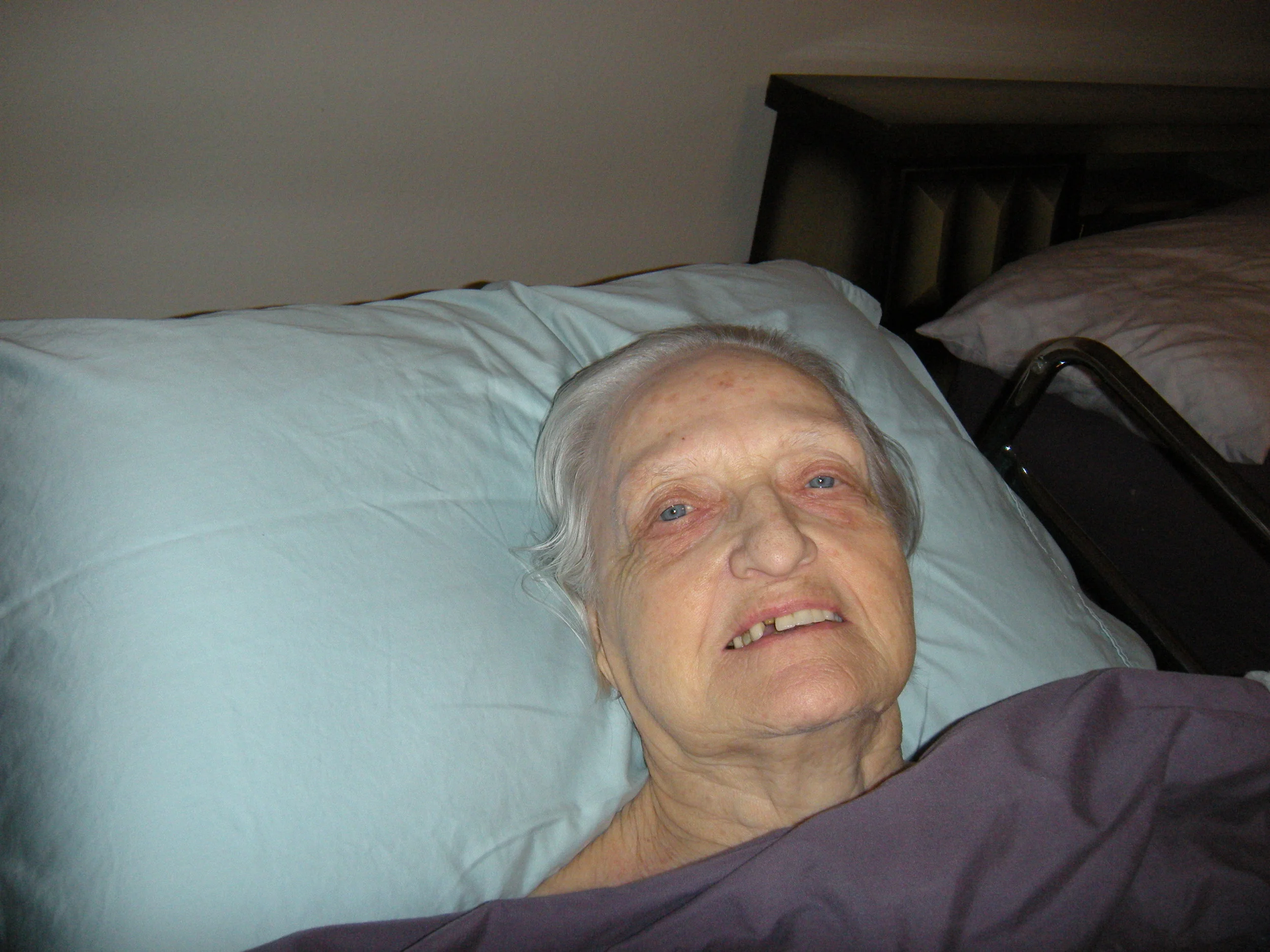
Bea Haenisch Peery.  It's sad that mothers eventually change and die.  

Bea Haenisch Peery.  It's sad that mothers eventually change and die.  

Trina has a good job with a finance company.  Is it a blessing or a curse that she's allowed to work from home?  

Trina has a good job with a finance company.  Is it a blessing or a curse that she's allowed to work from home?  

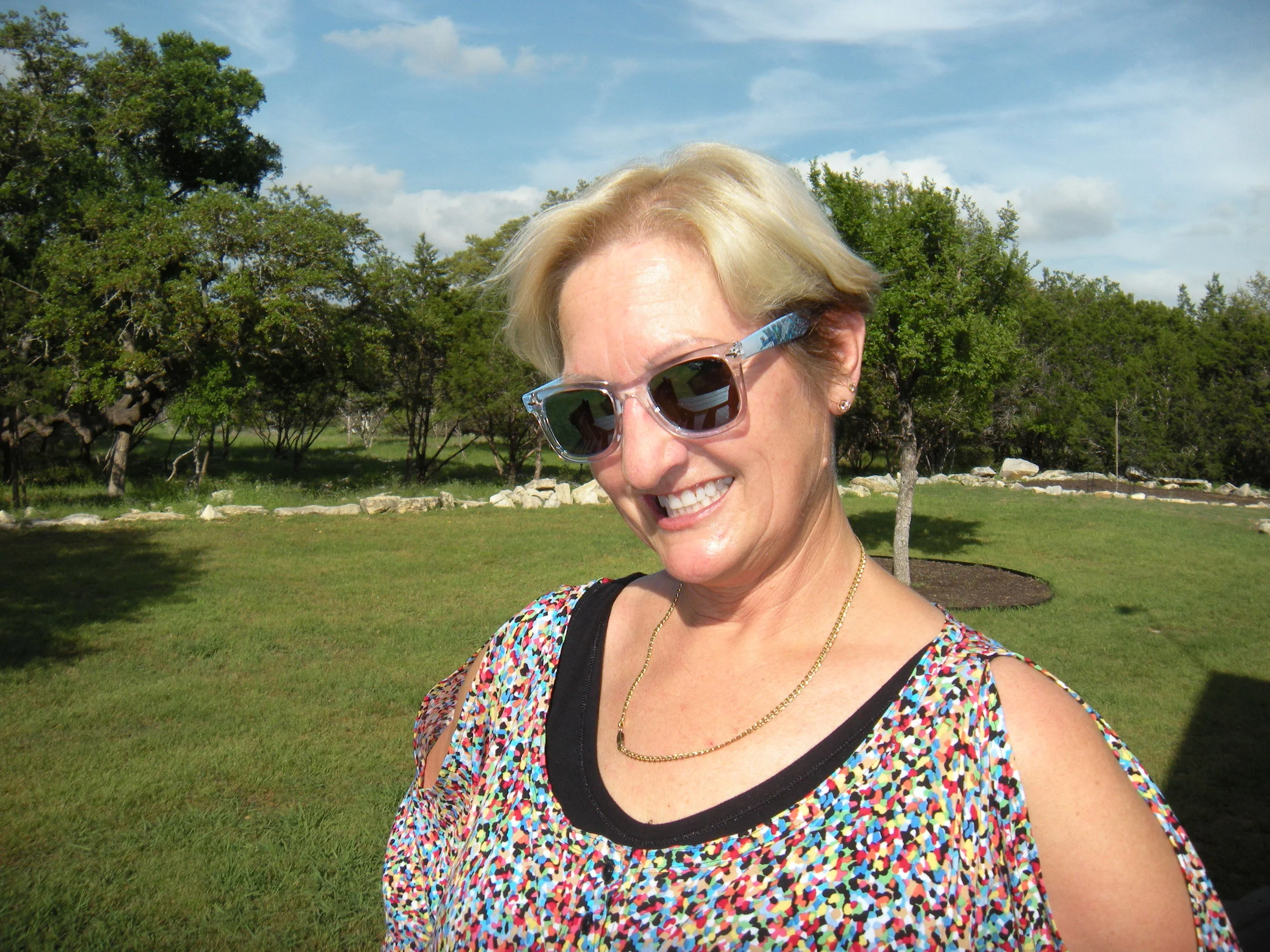
The sunglasses I'm wearing are inspired by the rural children of China.  I bought them from Sam's company, Mantra, in Beijing.  The theme of their next line will the hutongs.  

The sunglasses I'm wearing are inspired by the rural children of China.  I bought them from Sam's company, Mantra, in Beijing.  The theme of their next line will the hutongs.  

Households at War

The two men live across the street from one another.  Once they were on friendly terms, but one of them is meticulous and controlling; and the other, younger by a few years, is casual about his responsibilities.  Sometimes he doesn’t bring in his garbage container fast enough.  Sometimes his lawn is more weeds than grass..  With each passing day the easy-going attitude of the younger irritates the older, who emails letters of complaint to the entire HOA, citing the umbrages, affronted by the lack of focus, the inexplicable priorities.  And these letters are taken as an insult.  At one time the two men exchanged greetings and fell into spontaneous conversations.  Now they no longer speak, no longer wave when their cars pass going in and out of the gate.  In fact, the sight of one to the other causes blood to heat up, anger to pound in hairy ears. 

The wives, too, are involved.  They glare at each other from their across-the-street porches.  

“Let me warn you about her,” Hillie tells me, glowering balefully at the house on the other side of the road.  “She’ll tell you one thing and do another.  She acts like she’s your friend, but you can’t trust her.  If she sees you talking to me, you’ll be her enemy.”

It’s eighth grade all over again.

“Maybe I’d better go, then,” I say, yanking on Trip’s leash, wanting to get away before someone hates me for no reason.  The afternoon sun shines on my vulnerable nose.  I forgot to apply sunscreen. 

I like Hillie, who’s energetic and pretty—thin, straight teeth, cute haircut; but not vain about it.  Unhappy, made anxious by the intensity of the bad feelings, I hurry down the street, to the safe harbor behind my door, where no one ever argues, not even a little bit, and the only thing to be concerned about is what to have for dinner and where we’ll go on our next vacation. 

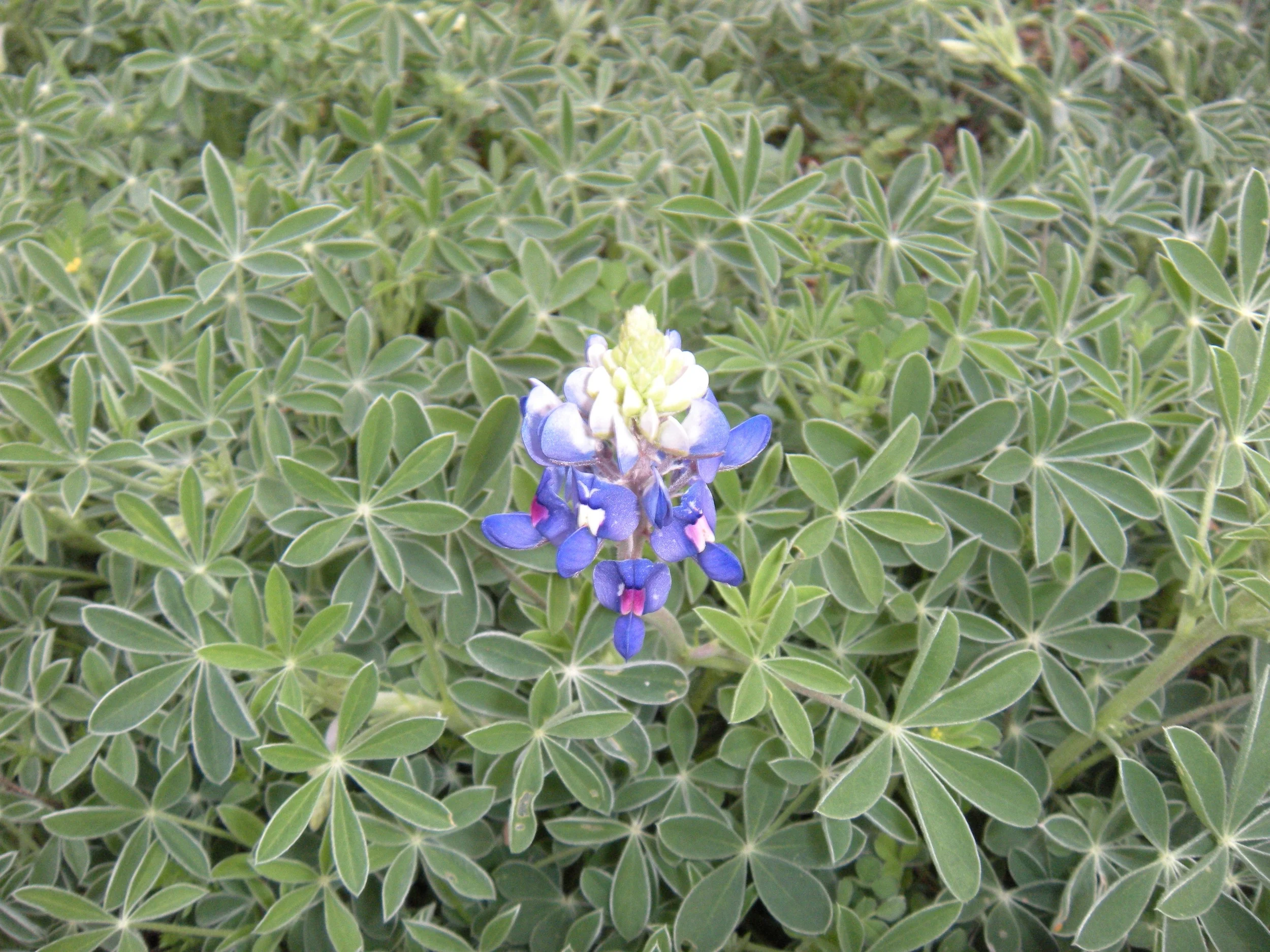
The next morning, once again I walk Trip up the street.  The birds are going crazy and the bluebonnets are popping up, a joyful signal that spring’s arriving.  There’s not a cloud in the sky.  I contemplate all these things peacefully.  It has certainly been a mild winter.  On the way home I bump into Monica, Hillie’s duplicitous foe.  She’s lurking in her driveway.  I suspect she saw me walk by and raced out to catch me on my way back. 

“G’morning,” I say.

In her late sixties, Monica is a gray smudge—hair, eyes, complexion; all gray.  She’s stylish, tenacious when it comes to accessorizing.  Bare legs poke from beneath her gray coat.  While it’s warm for March, it’s still chilly; but she wears sandals with sparkling straps, toe rings and ankle bracelets.  Who puts on toe rings and ankle bracelets at seven in the morning?  I’m wearing sweat pants, two sweaters, and fluffy bed socks stuffed into my shoes.   I’m pretty sure my hair is poking straight up, as it tends to do in the morning. 

“You’re new here, and I see that you’re getting friendly with her.”  She juts her sharp chin toward Hillie’s house.  “You’ll find out soon enough that she never thinks of anybody but herself.  And if you don’t agree with her about every little thing, she’ll badmouth you to everybody.”

“Oh dear,” I say.  “She seems real nice as far as I can tell.”

“Just be careful.”

She makes it sound like I’m in danger.  I say good-bye and move on.

Monica and Barney invite us to dinner.  We accept the invitation and take a bottle of wine.  It’s a nice meal—chicken, salad, homemade bread, and pie from the Bluebonnet Cafe.  They tell us about themselves and the history of the development.  It’s all very convivial until they start complaining about Hillie and Edgar.  Their bitter words batter our minds for an hour, at which time we’re able to politely thank them and depart. 

Hillie and Edgar ask us to accompany them to a wine tasting at a local winery.  The afternoon is lovely—clear skies, gentle breeze, mid-seventies—and the atmosphere is bouyant.  Strangers talk to each other; bustling workers pour wine and explain its aspects in terms so flowery that we make fun.  It’s an entertaining few hours, until Hillie and Edgar get started on how evil Monica and Barney are.  David and I exchange a look.  This can’t be healthy.  Later, at home, we discuss the situation.

“We’re going to have to move,” I say sadly.

“That’s not going to happen,” David tells me.  “We’ll remain neutral.”

“They seem to place importance on choosing sides.”

“How do the other people in the cul-de-sac handle it?”

I think about it.  Our neighbors wave from behind their steering wheels.  When we run into them on the street the talk is of the weather and the pesky armadillos.  They keep a distance.  A safe distance.  And that’s what we’re going to have to do. 

The first bluebonnet.

The first bluebonnet.

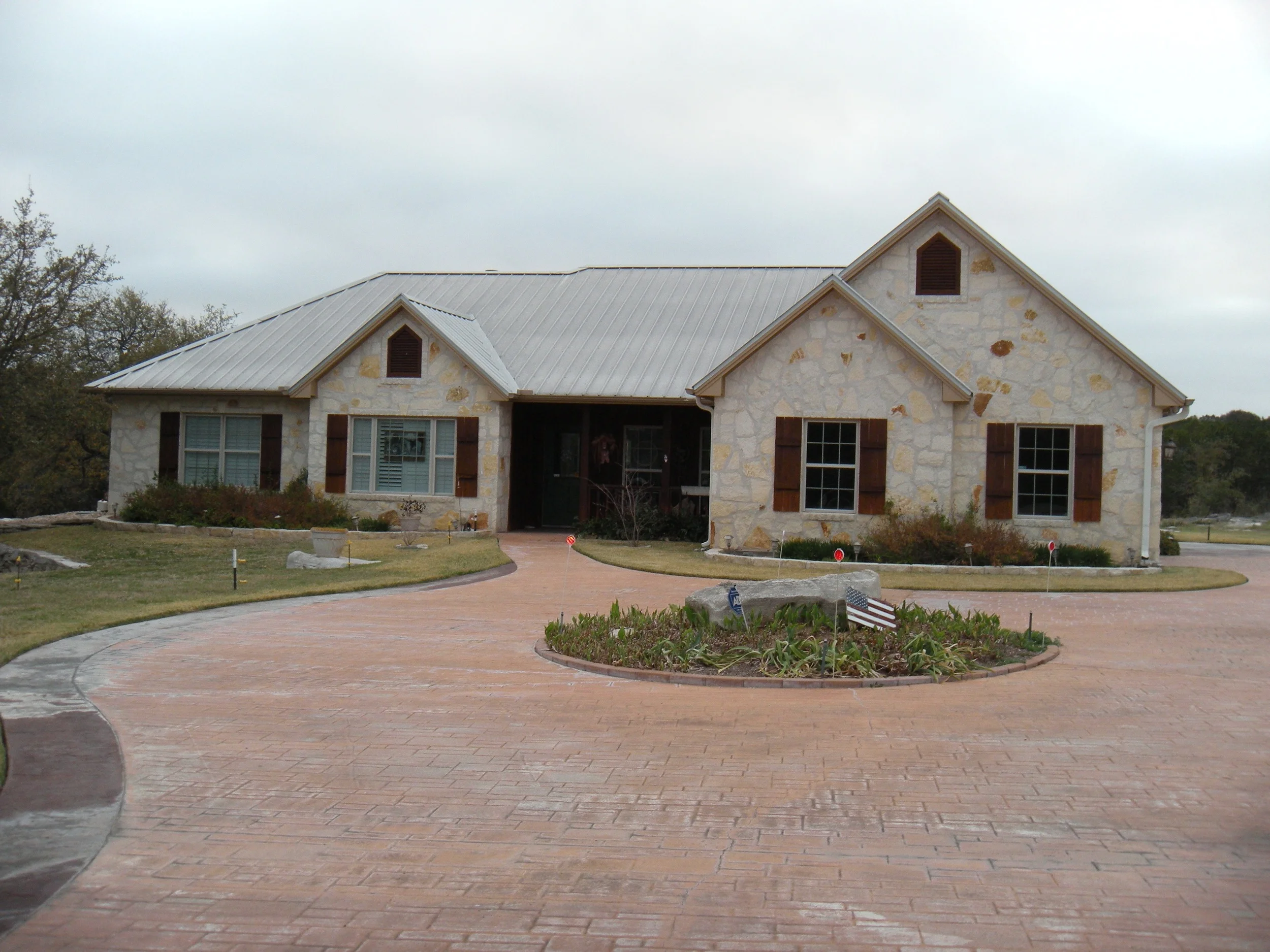
Hillie and Edgar's house.  The round garden in front looks messy but, in all fairness, nobody's area looks good this time of year.  

Hillie and Edgar's house.  The round garden in front looks messy but, in all fairness, nobody's area looks good this time of year.  

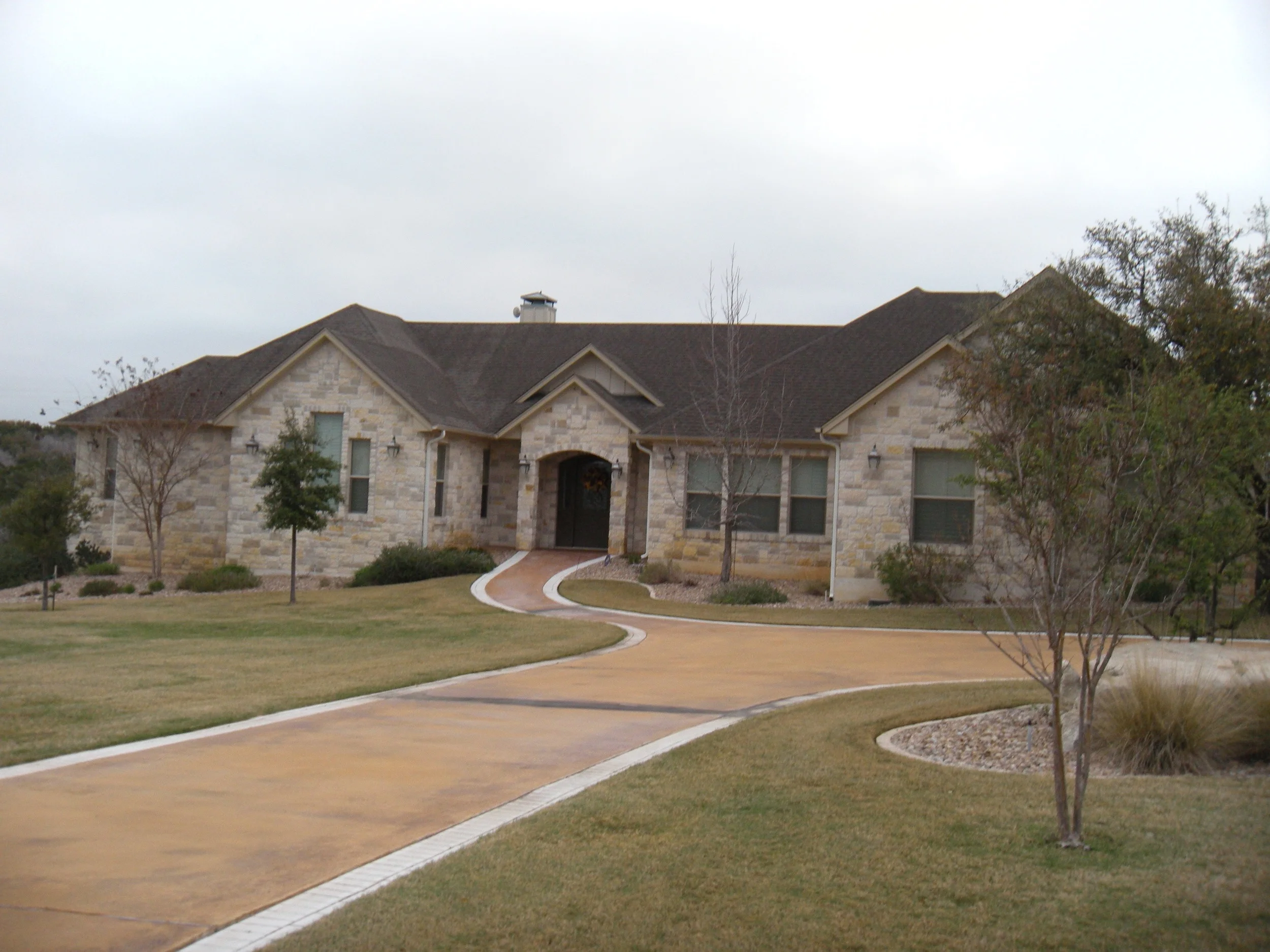
Monica and Barney's. The tree in front, beside the door, is bare right now, but in autumn it's a glorious gold.  

Monica and Barney's. The tree in front, beside the door, is bare right now, but in autumn it's a glorious gold.  

The Haenisch Cars

Kerrville, pronounced cur-vil, is about an hour and a half away from Marble Falls.  It’s a tourist draw because the Guadalupe River runs right through it; it hosts the Texas Arts and Crafts Fair; and it’s home to the Kerrville Folk Festival.  

“I hear there’s a four-mile walk along the river that’s nice,” David tells me. 

A walk by a river sounds good.  I’m busy pondering many important matters, so I leave David to plan the excursion.  We pull out of the driveway at eight-thirty.  I drive because that’s the way we do it—I drive going, David drives returning.  The route is simple—281 toward San Antonio, right on 290, left on 16.  We reach Kerrville at ten.  We know the exact time because Kerrville seems to be a place of chimes and bell towers, all of which ring on the hour.  It’s quite noisy. 

“Where is this walk?” I ask as we pass under I-10.

“Oh,” David says, “I just figured we’d drive around until we found it.” 

“This place has a population of over 22,000.”  I know this because we passed the sign about a half-mile back.   “I just drove an hour and a half to get to a specific location and now I find out we haven’t got a clue where it is.” 

Irritated, I turn into an empty pitted lot.  We pull out our phones, call up the maps, find our blue dots, and look in all directions for the Guadalupe River.  We can’t find it anywhere. 

“It doesn’t exist,” I say.  “Where did you hear of this river?  Who told you this wild tale of a river in Kerrville?”

“Seriously, I think we’ll find it by driving through town.”

With a derisive snort, I pull back on to the busy street.  Drive through town.  What kind of a weak-ass plan is that?  More often than not, not knowing means getting lost. 

Pretty soon strip malls give way to gracious buildings; and a courthouse, surrounded by a commercial square, rises up on our left.  As with most of the Hill Country towns we’ve explored, the square offers trendy restaurants and art galleries, which we’ll check out later, after we have our stroll along the shore of the imaginary river.  To my surprise (at this point my expectations are low) a sign at the next intersection indicates a river walk.  We cross the bridge, and there it is, just to the right—a lovely broad park with playgrounds and picnic areas, footbridges across calm water. 

“Why wasn’t it on the map?”  I am truly flummoxed.  If I can’t trust the map on my phone, what can I trust? 

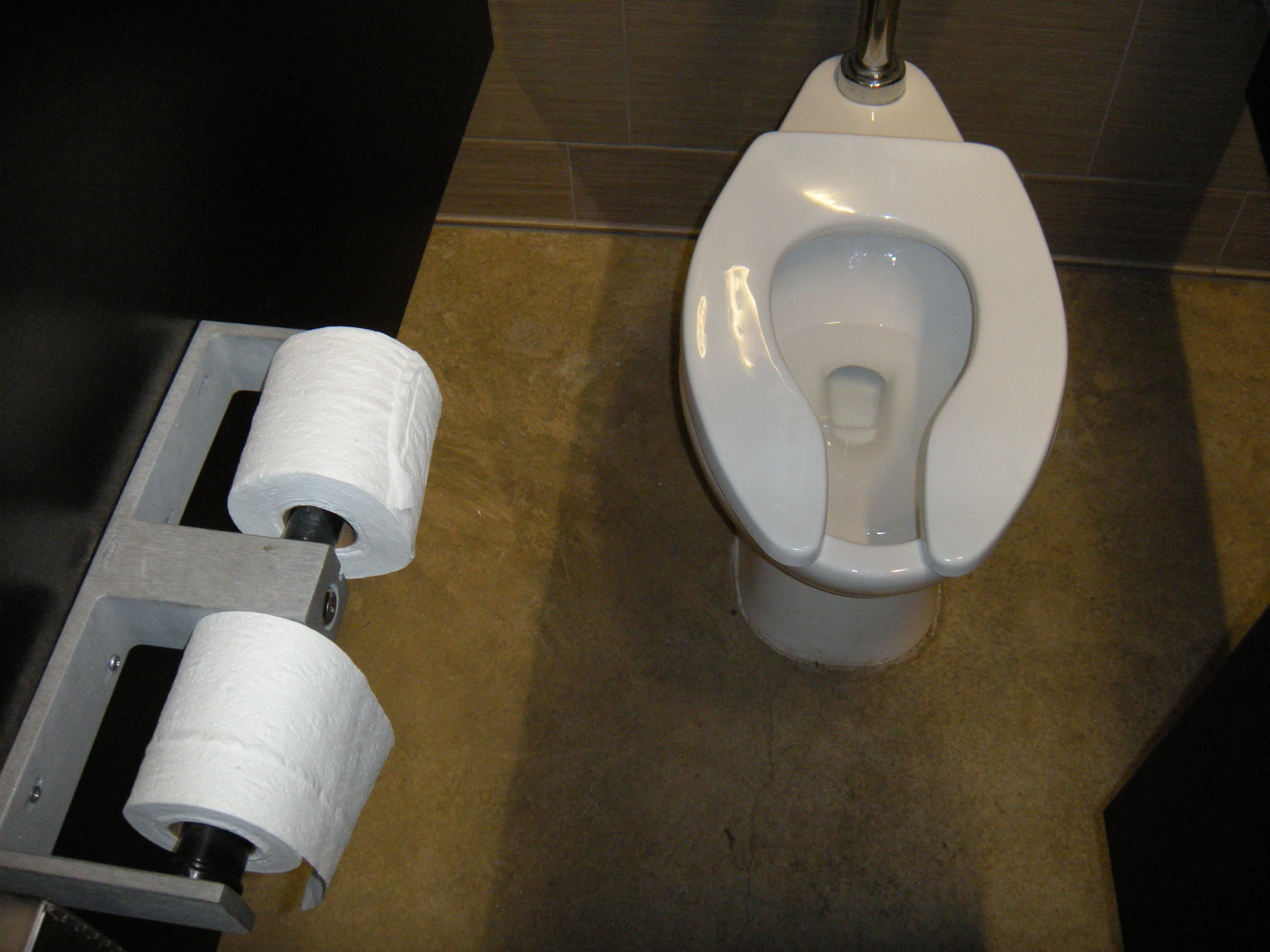
I park.  We do the walk.  Blue sky, clear water trickling over stones, well-maintained walkway, unseasonably warm.  While pleasant, the only feature that stands out in any way is the restroom.  I have never seen a cleaner restroom in a public park, so impressively pristine that I take a picture. 

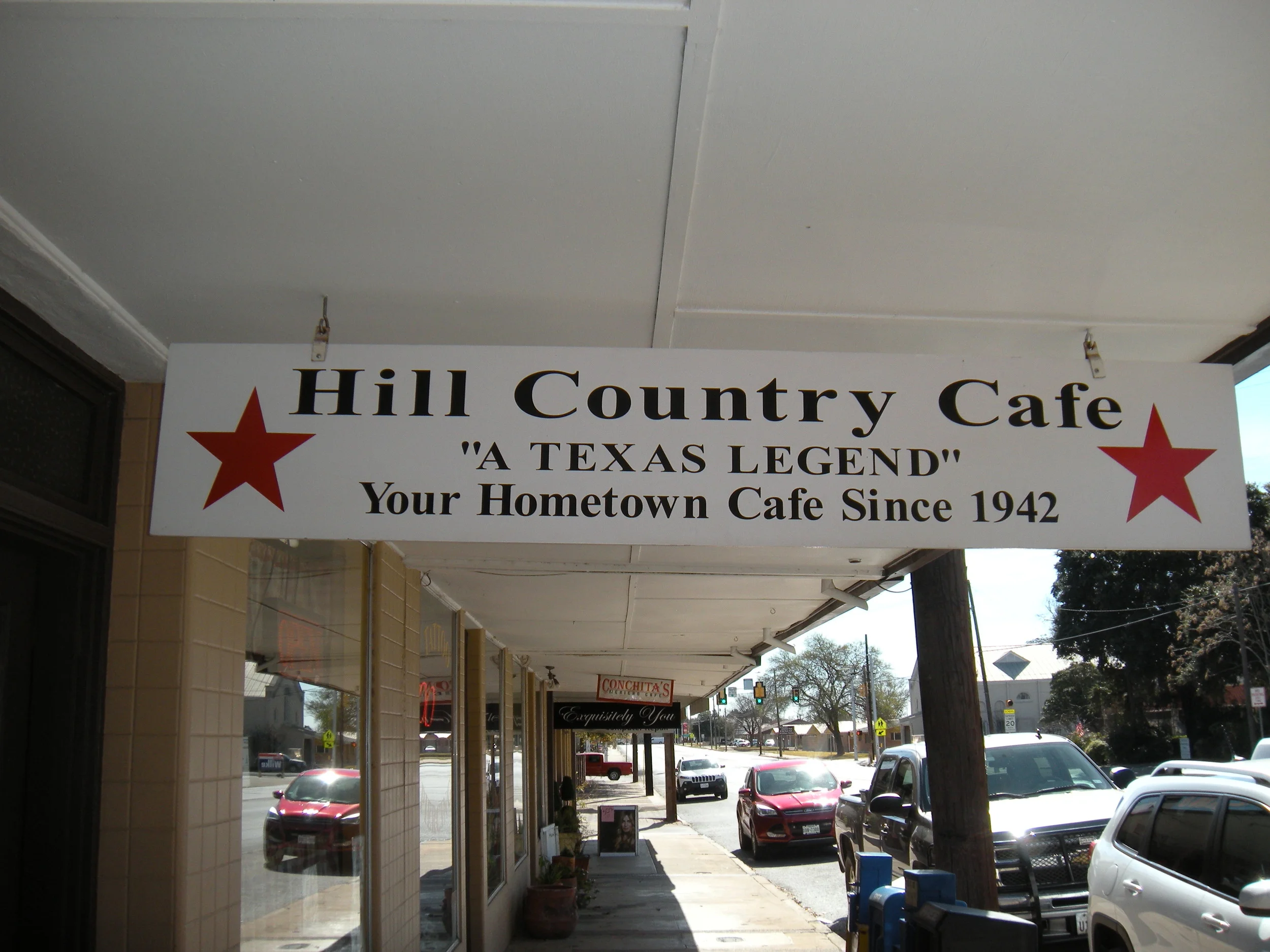
We walk in one direction for forty-five minutes, then turn around.  We’re hungry.  I steer the car back toward the square, where there are many bustling lunch venues.  We choose The Legendary Hill Country Cafe, famous because it’s located at the site of the first HEB.  People of Texas know how stupendous this is.  For people from elsewhere, I’ll simply define HEB as the best grocery store chain since the beginning of time.  David requests liver and onions, and I order off the sides menu—fried okra and a scoop of cottage cheese. 

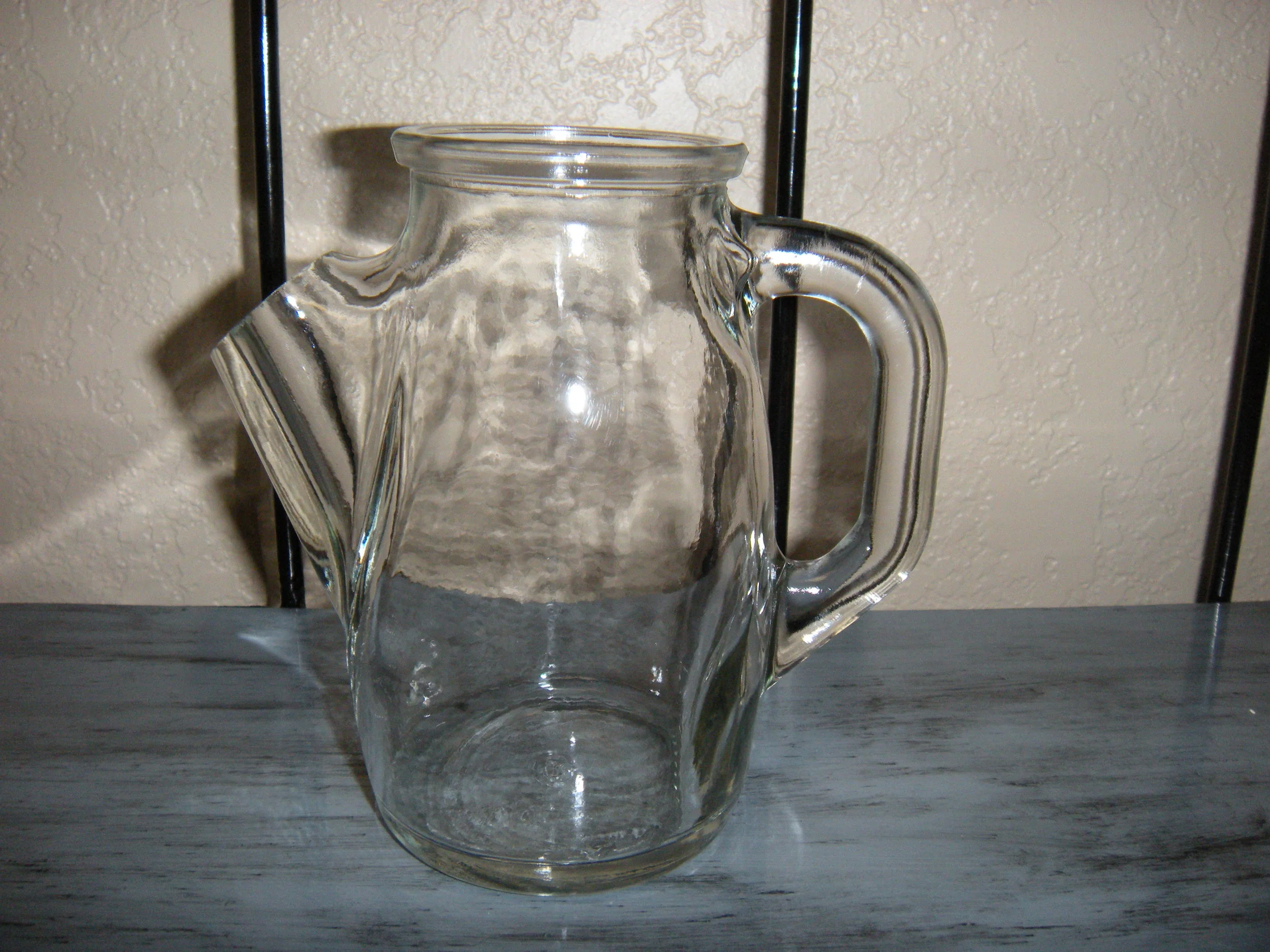
After lunch I insist on hitting the Antique Mall across the street.  I don’t know why I enjoy Antique Malls the way I do.  I’m fascinated with old stuff, helplessly compelled to meander through and gawk.  David’s usually a good sport about it.  I purchase a snub-nosed pitcher, a clever item for pouring.  I don’t know how I’ve lived without it.  I’ll post a picture. 

On the way back, I feel it’s my duty to entertain David as he drives.  I regale him with a list of the cars my family had when I was a child.

“A yellow Oldsmobile.  That’s what we had when I was born.”

“You can’t possibly remember the car your parents drove when you were born.”

“They told me about it.  I saw pictures.”  We’re on a stretch that doesn’t allow passing.  The speed limit’s seventy, and ten cars ahead a Toyota, going fifty, holds up traffic.  “We also had a Studebaker at one time.  And a Goliath.”

“I’ve never heard of a Goliath.”

“The Buick, a Rambler, a Nova, a Charger.  Daddy had a VW bus, then an Econoline.  Then he got that Chevy pick-up that he kept forever.”

Talking about the string of cars makes me miss my mother.  There was a time when she would have reminisced, shared experiences about all those cars, why we got them in the first place, and why we got rid of them.  Each car would have provoked an entertaining story.  She would have remembered cars I've forgotten.  But she hasn't been capable of having a conversation in years.  There's no memory of anything in her head.  She is an empty vessel clunking her walker around in my sister's house.  

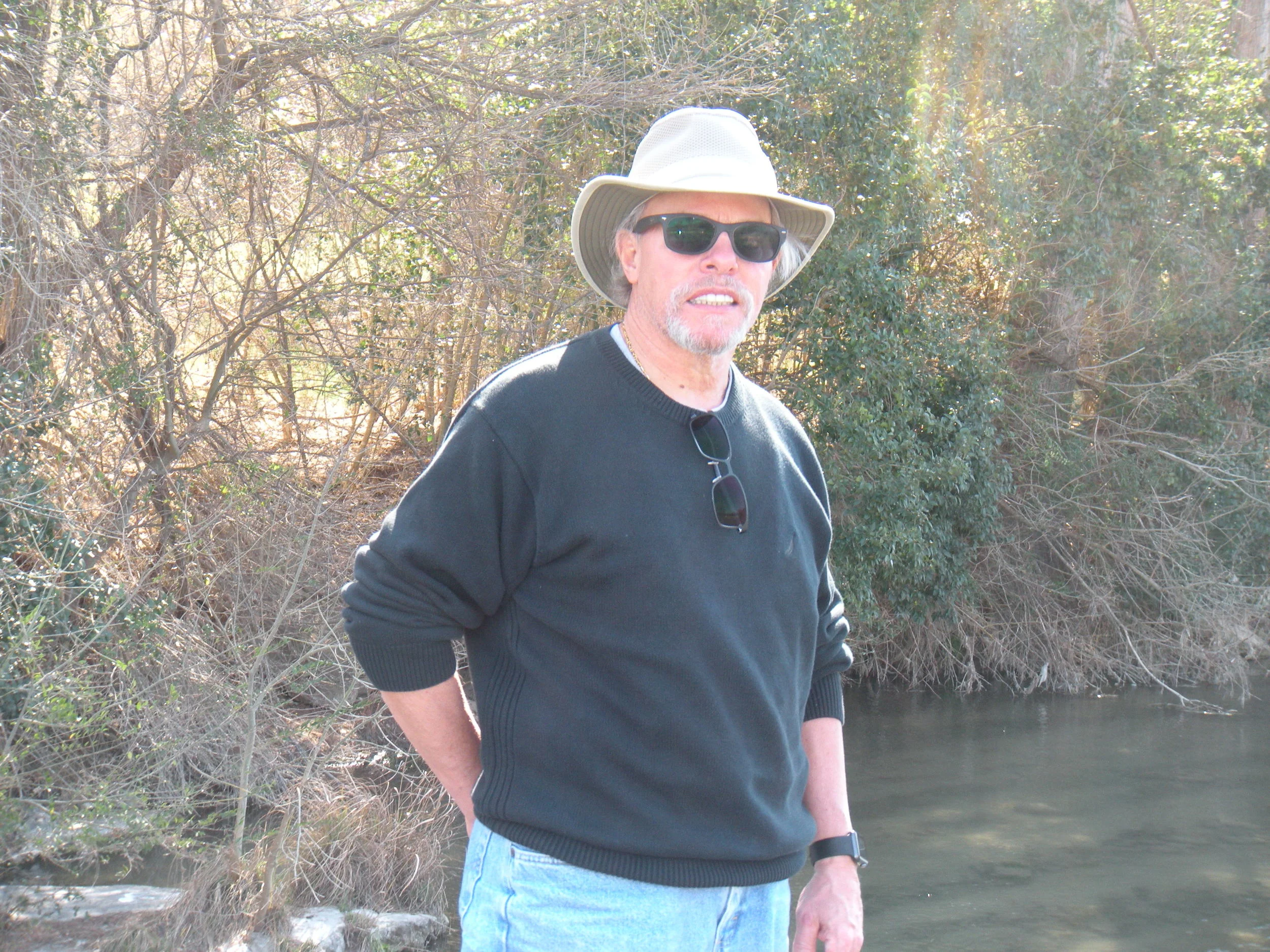
David's happy by the river.

David's happy by the river.

Seriously, the cleanest public toilet ever.  

Seriously, the cleanest public toilet ever.  

Everybody needs one of these, and it was only three dollars.  

Everybody needs one of these, and it was only three dollars.  

A great place to grab lunch next time you're in Kerrville.  

A great place to grab lunch next time you're in Kerrville.