The Book Group in Houston

I enter the room, happy to be back.  I missed this group of women when I moved to Singapore.  And now I miss the book group in Singapore.  That’s the way it goes.  But it’s nice to be greeted, good to know I’m welcome, and wonderful to see the familiar faces of people I like. 

Dorothy, the leader, opens the meeting with a few announcements.  Then she asks the women to go around the circle and give their names—this is for my benefit because I’ve forgotten some names, and a few new people have joined since I left.  Dorothy has kept the group organized for years.  She’s having an issue with her back these days, so she moves carefully.  Good luck with your exercises, Dorothy! 

Janet Knight is today’s discussion leader.  She lives a distance away, up near 290 and the Beltway, and we’re glad she makes the journey because her cheerful attitude sets a light tone.  Sitting next to her is her friend, Karen Johnson, a woman whose most outstanding attribute is that she’s always, without fail, an encouragement to others.  Karen has three young grandchildren—a little girl and a set of twins.  I try not to envy. 

Expedient and prepared, Janet produces a list of questions and gets started.  Most in the circle participate; a few are quiet.  I’m opinionated and must work to keep from dominating and criticizing—and from my perspective, there’s plenty to be critical about.  The last time I shared my observations about a reading group, the book under discussion was by Virginia Woolf, and I had fun writing in her style, which was innovative and florid, a joy to emulate.  It’d give balance if, for this posting, I could write in the style of the author of the book we’re discussing today, The Secret Keeper, but alas, the author, Kate Morton, has no discernible style, though plodding and explanatory come to mind.  Mind you, I’m only referring to bland vocabulary, boring sentence structure, and poor editing:  the story itself presents several clever plot twists and, though it carries no literary weight, it’s an entertaining read. 

There are fifteen around the table.  A couple of women haven’t read this month’s selection.  I’ll have to get used to that.  In Singapore, we gasped in horror if someone came and hadn’t read the book.  We were quite snooty about it.  But in this group you’re welcome whether you’ve read the book or not.  Because the group is affiliated with the church—St. Luke’s United Methodist—the women are kind and non-judgmental, which is easier for some than for others.  Most are pleased by The Secret Keeper, though there’s a general feeling that the characterization is weak:  only one of the characters is tolerable; several are inconsistent or unbelievable; and others are underdeveloped.  But realistically, the book droned on for five hundred and ninety pages; if the author had developed the characters further, we’d still be reading. 

Somewhere in the middle, and I’m not sure how, we get side-tracked, with women telling stories about how their parents met, about courtship during the war, and how our children need to know our stories.  The discussion becomes nostalgic.  There’s a fear that the past will be lost, that our children and their children will become loose leaves, without branches, without trees, without roots. 

And now I’ve lost track of the discussion. 

We come to a close by simply winding down.  I miss the rating system we used in Singapore, where at the end of the discussion we’d go around the circle and each person would give an assessment and designate a one-to-ten ranking.  I’d give this book a five—well-crafted plot, uninspired writing.  From the others’ comments, I estimate the average ranking would be eight.

During our time indoors the sky has become so dark it almost looks like night.  The thunder roars and booms.  The rain dumps from the sky, liquid turned solid.  I have no umbrella.  Linda Burch, who has an umbrella, is kind enough to offer a few of us rides to our cars.  She disappears into the dense wall of water and, a few minutes later, shows up in her car in the covered driveway, where two other women and I wait.  Thanks, Linda!

Out in the parking lot, she pulls up next to my car.  I unlock my front door by remote, from inside her car, and clamber out quickly—it’s a distance of only a few feet, but by the time I slip behind the wheel and close the door, I’m soaked to the skin, with water running in rivers from my head.  My hair, strictly disciplined earlier by about half a can of hairspray, is now the texture of matted cotton candy.  

Ladies, it’s good to be back, and it’s great to see you all.  We’re going to have an exceptional year. 
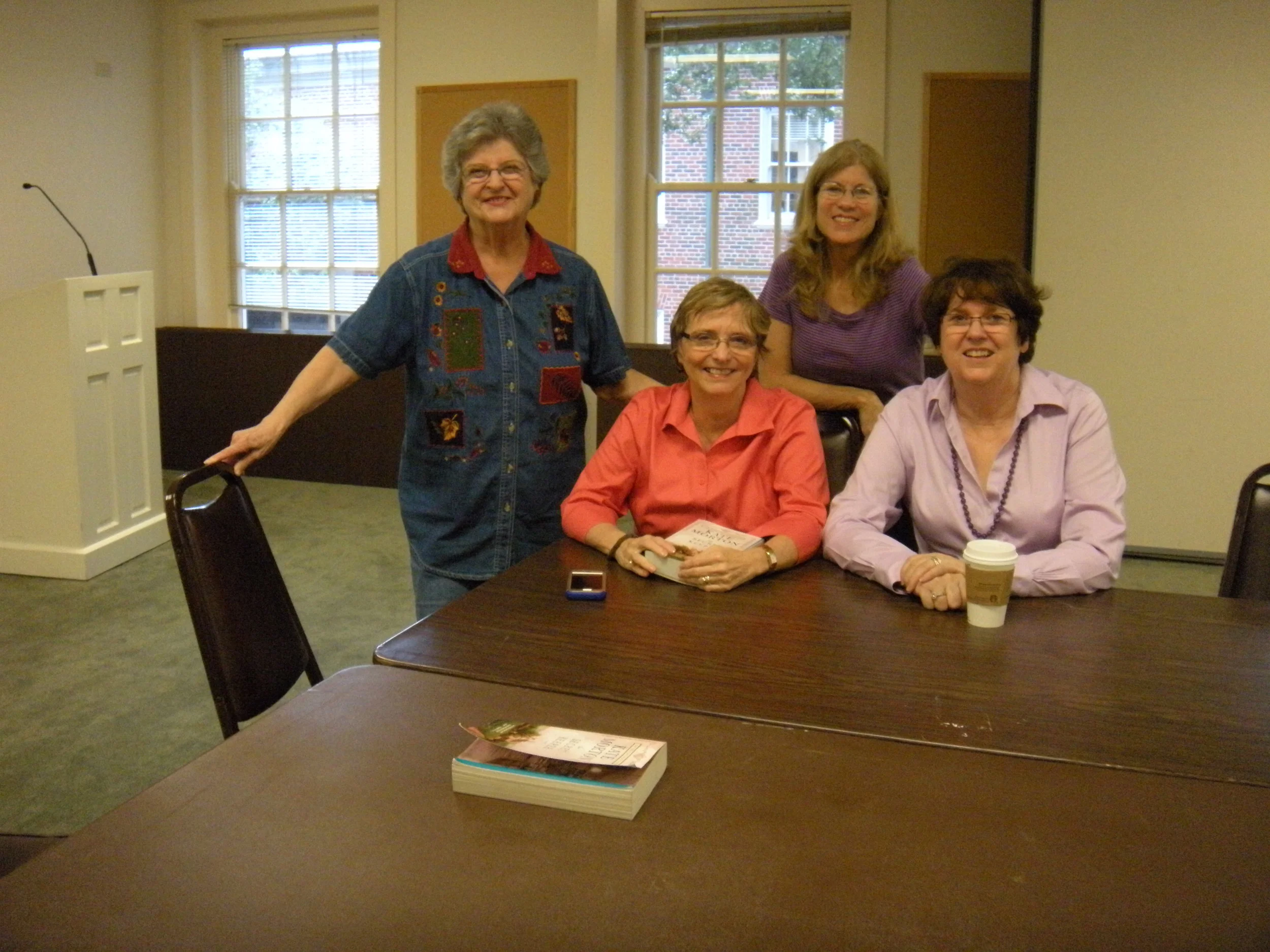
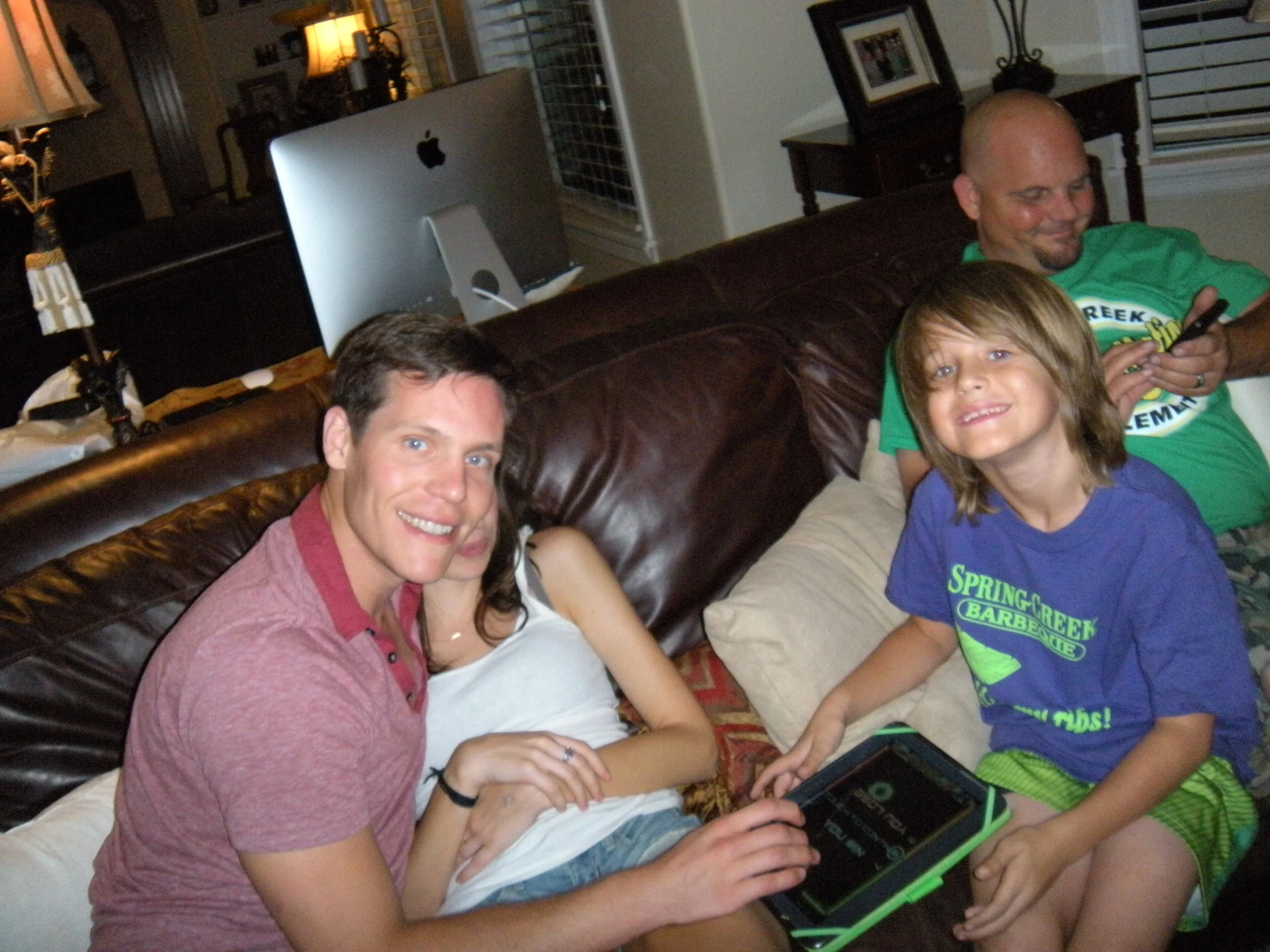
Jane, Janet, Diane, and Karen.  We came a little early so we could have a gab.  
Jane, Janet, Diane, and Karen.  We came a little early so we could have a gab.  

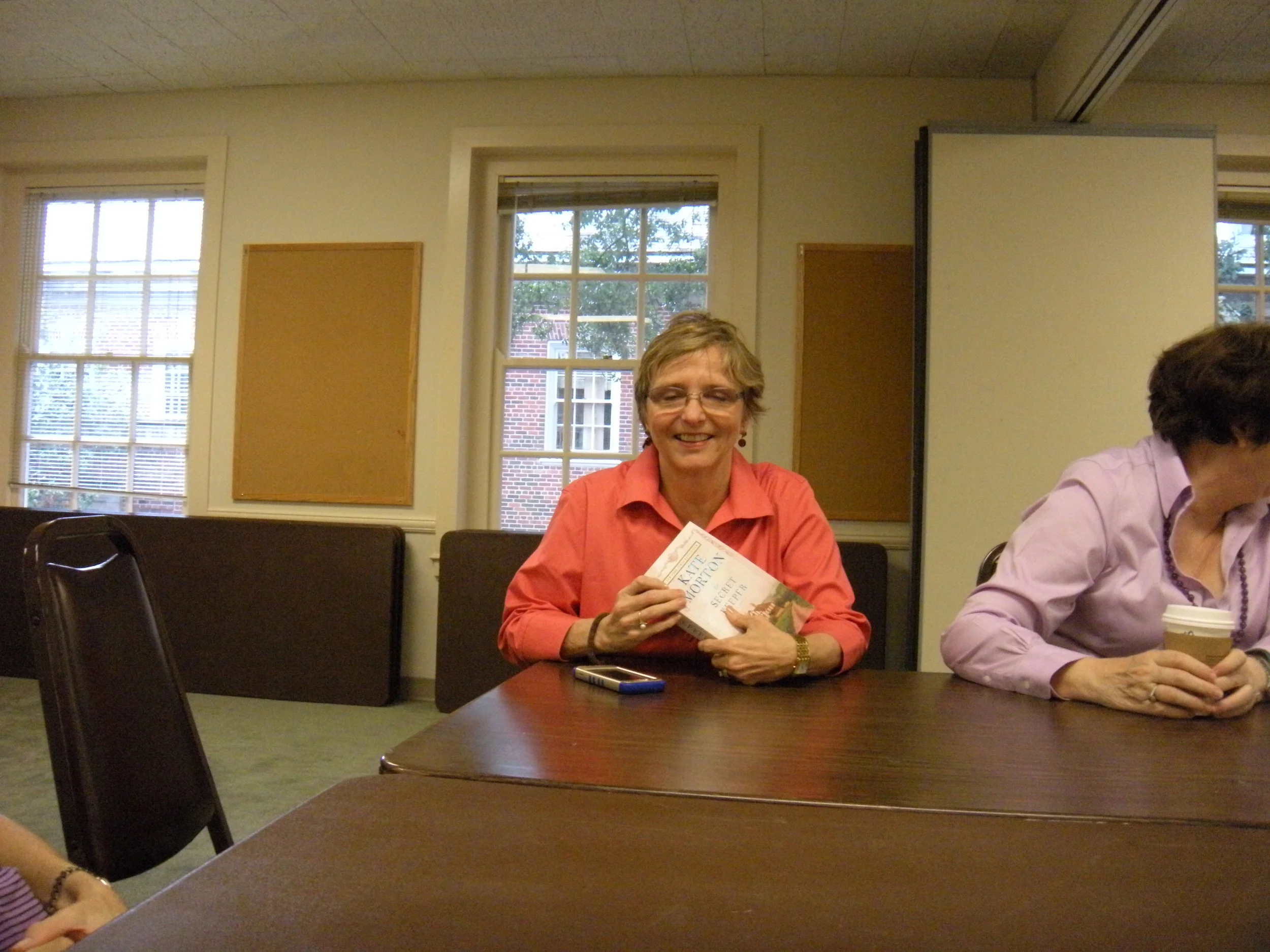
Sorry, Janet.  This is a lousy photo--I usually do better..  Though your eyes look closed, you're actually looking down at the book as you speak about it.
Sorry, Janet.  This is a lousy photo--I usually do better..  Though your eyes look closed, you're actually looking down at the book as you speak about it.

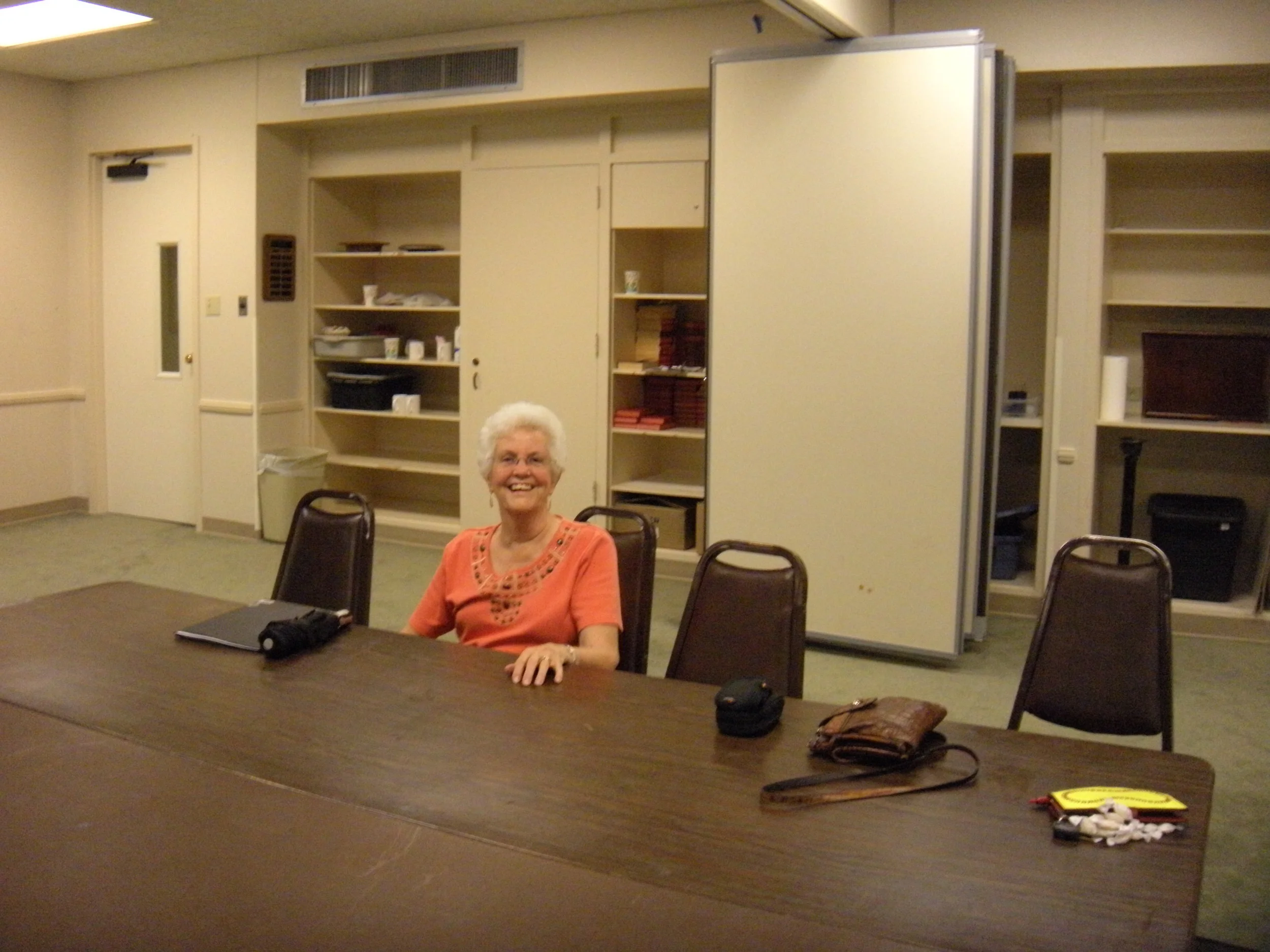
This is Dorothy.  Though she's in pain with her back, she keeps smiling.  Recognize my purse on the table?  I've carried it everywhere for the last eight years.  
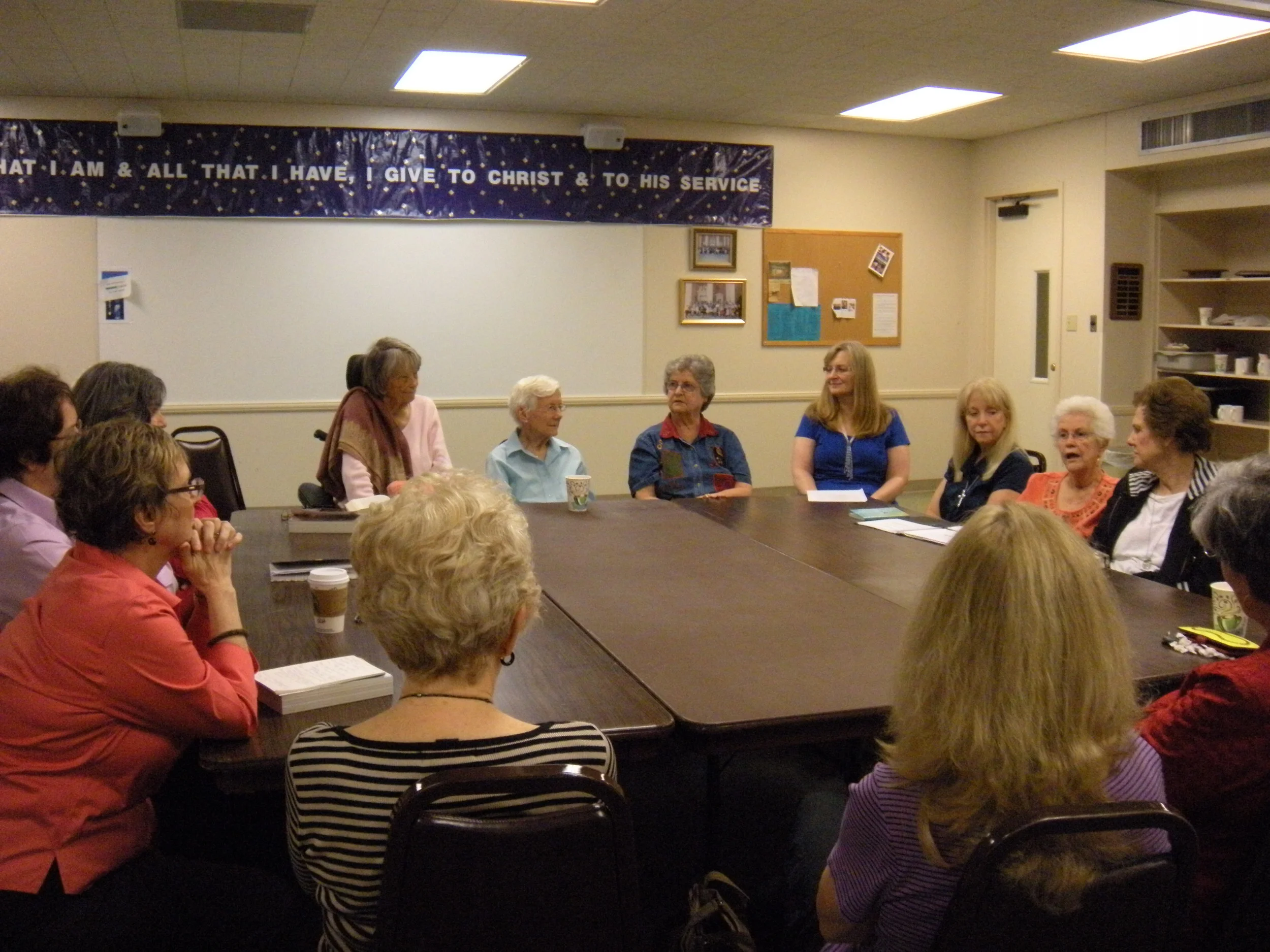
This is Dorothy.  Though she's in pain with her back, she keeps smiling.  Recognize my purse on the table?  I've carried it everywhere for the last eight years.  

I was able to get almost the whole group.  The table isn't always present. 
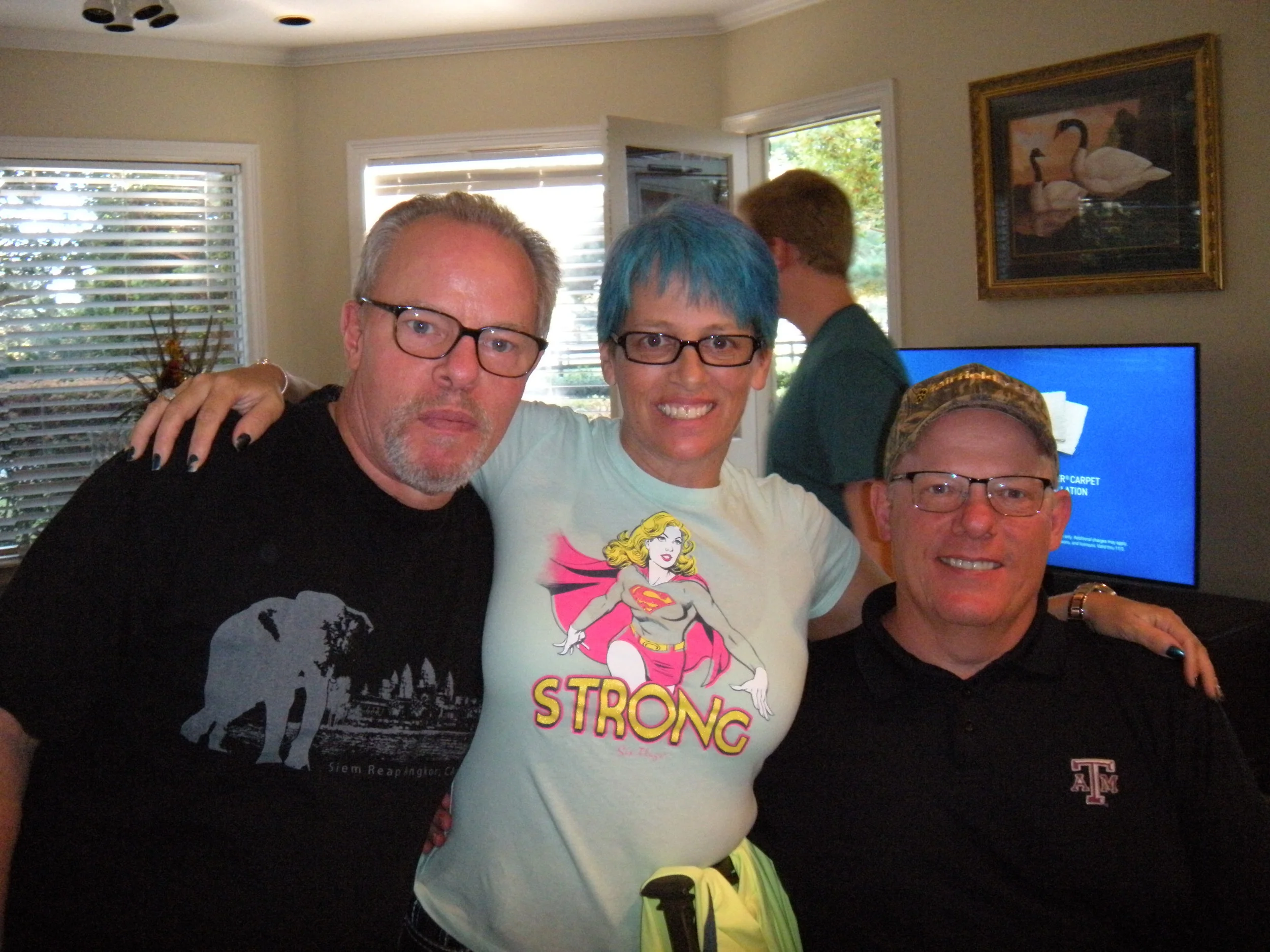
I was able to get almost the whole group.  The table isn't always present. 
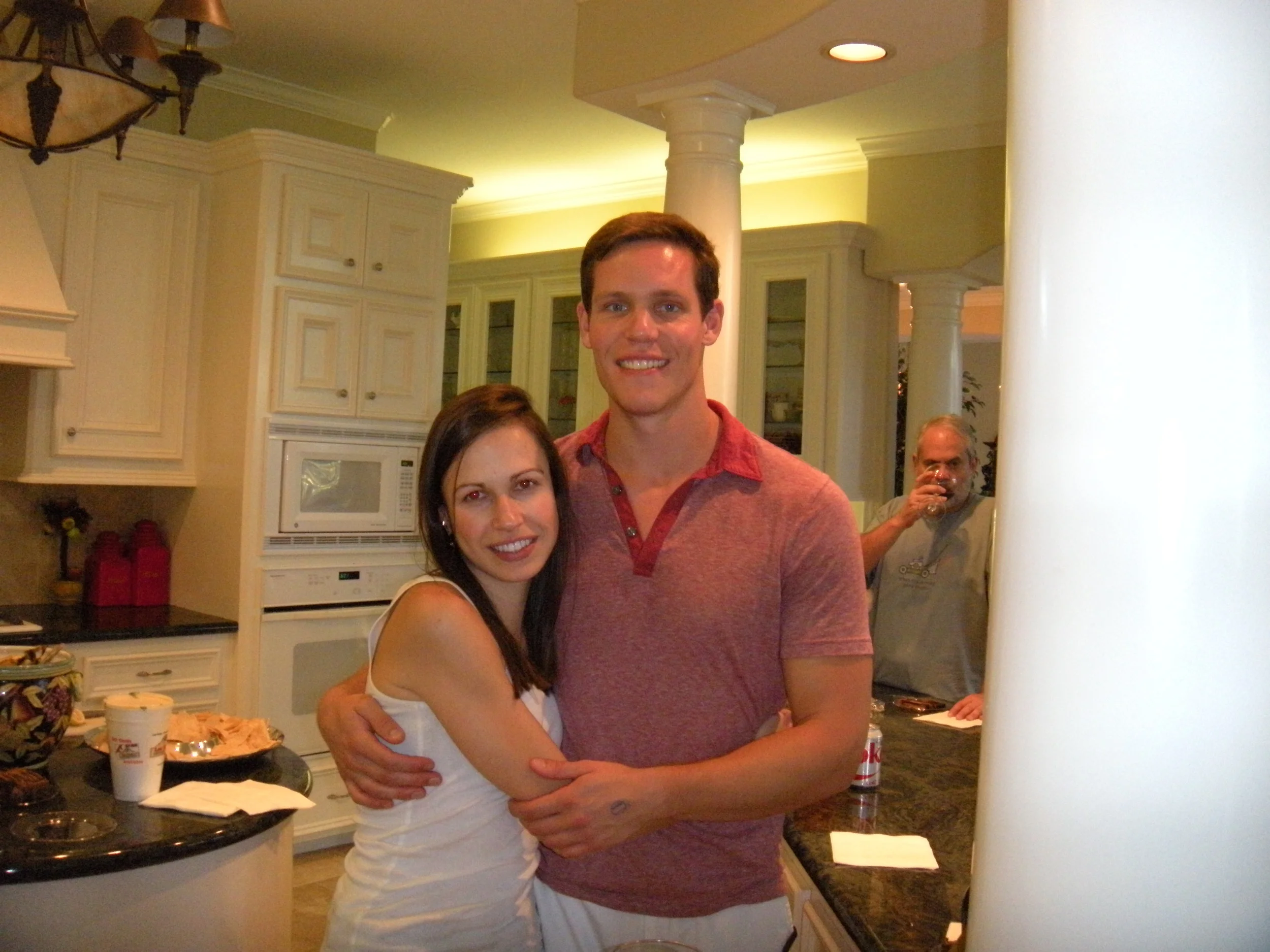
A Waldo Gathering

Paul and Betty are outgoing and hospitable, with a gracious home situated on several acres, a pleasant escape from our little townhouse on a busy street.  They enjoy getting everybody together for a meal.  Today’s event presents a chance to visit with Heidi and her husband, Jim, who’ve come from Boston to spend some time with our niece, Keri, Leanne’s daughter.  Keri, not yet forty-five, has ovarian cancer and has suffered through two unsuccessful rounds of chemo.  She’s always been one of my favorite Waldos.  Easy-going, with an innate sense of fun, she’s not one to judge or force her opinions on others.  She’s into piercings and tattoos and colorful hair (teal now, the color representative of ovarian cancer).  I’ve never heard her say a mean thing about anyone. 

We all gather around the counter that separates the kitchen from the living area.  Greetings, hugs.  Chips, dips, wine, beer.  Betty’s busy, a hopping bird feeding the open mouths.  And her feet hurt.  They’ve been stepped on too many times by horses.  She smiles through the pain, aware that others have worse to endure.  Conversation flows—there’s a lot of catching-up to do.  It’s been ages since any of us have seen Heidi.  The talk is fast, words stacked on top of one another, and the walls reverberate with teasing and laughter.  The Waldos actually like each other.  They don’t get angry or hold grudges, which is foreign to me.  We Haenisches know how to hold a grudge. 

Having said that, the Waldos are intense and energetic, jolly with big personalities.  As a quiet person who enjoys solitary walks and having conversations in my head, I find all this good cheer exhausting.  I always drink too much at these gatherings. 

For dinner—fajitas.  More wine and more joking.  Heidi tells about her two grandchildren, and there are pictures.  Jim’s daughter is going to Smith—I intend to ask about his son, but the conversation goes elsewhere before I have a chance.  Two new faces around the table—Curtis’s girlfriend, Anna, and my nephew, Phillip’s, girlfriend, Michelle.  I admire the women of my sons’ generation.  They are self-confident and seem to have a system of mutual encouragement that was lacking when I was their age. 

After dinner we gather around Keri and her husband, Greg.  Kedan, their grandson, is sent from the room.  Greg explains the latest options—medications, dosages, treatments, schedules.  His knowledge is profound and poignant.  Keri begins to cry—impatient with her tears, she removes her glasses and presses her fingers against her closed eyelids.  She doesn’t like being the instrument of gravitas.  And she hates her enemy, cancer, with a penetrating and relentless hatred, an emotion stronger than any she’s ever felt.  If it were a live being she would murder it violently and draw primal pleasure from the act. 

Heidi’s arm goes around Keri, then Betty’s.  David moves behind and plants a kiss on her hair.  We’re all people who like to be in control, but there’s no controlling this.  We’re confounded, helpless, devastated. 

Keri knows she’s loved.  And she knows people all over the country are praying for her.  And she knows the doctors are working hard to save her.  But as time passes, there is another thing she knows, and that is that no matter how many people support and love her, no one can feel what she feels.  Others can understand her anger, sympathize with her fear, hold her hand as she stands against the pain, but no one can step in and bear these things for her.  Ultimately, this is what she, alone, has been given. 

Oh, Keri. 

David, Keri, and Paul

David, Keri, and Paul

Curtis and Anna.  That's Heidi's husband, Jim, in the background.  

Curtis and Anna.  That's Heidi's husband, Jim, in the background.  

Curtis playing with Kedan.  Anna's behind Curtis.  That's Greg, Keri's husband, behind Kedan.  

Curtis playing with Kedan.  Anna's behind Curtis.  That's Greg, Keri's husband, behind Kedan.  

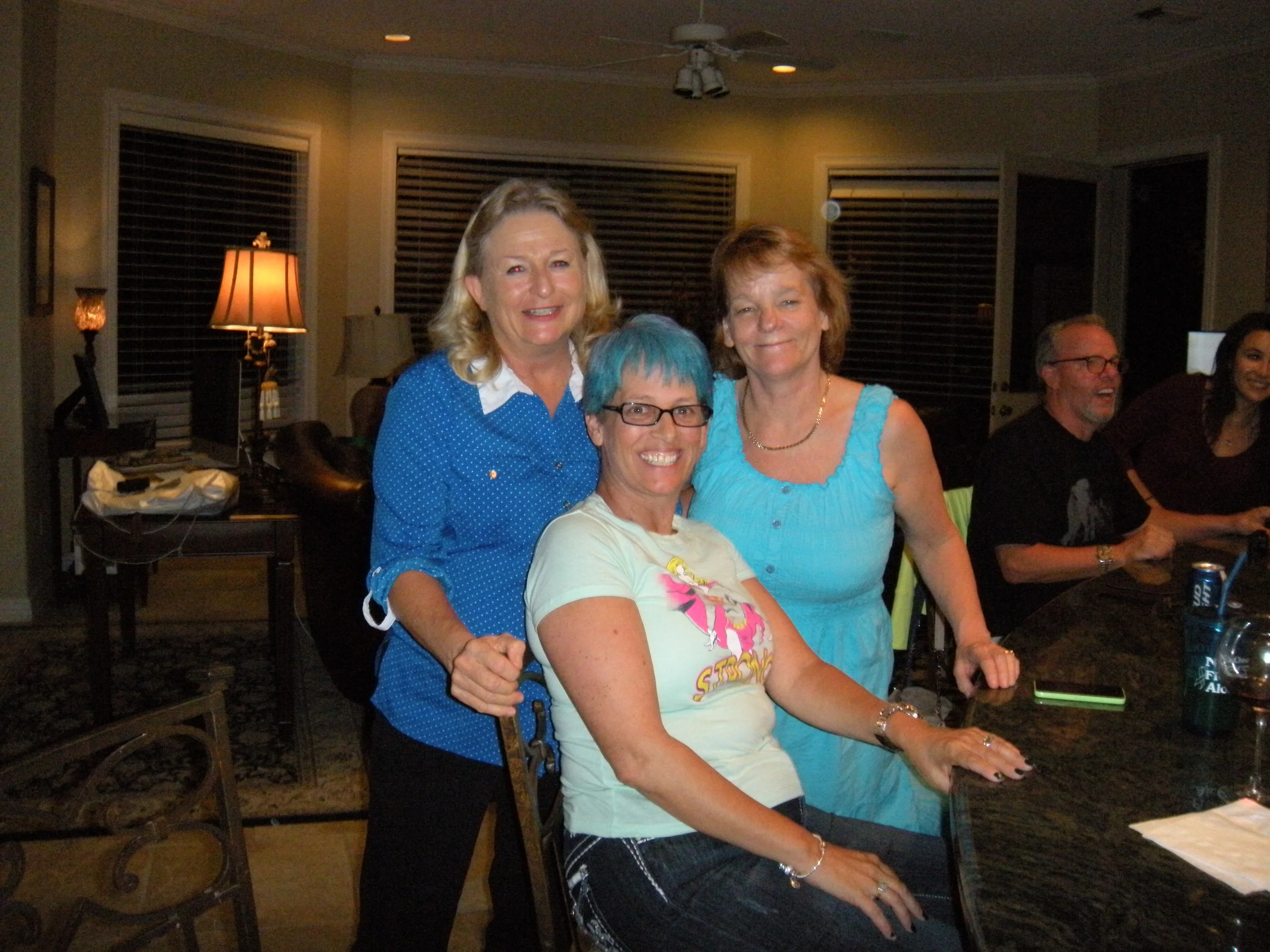
Betty, Keri, and Heidi.  The shades of blue look good on them.  

Betty, Keri, and Heidi.  The shades of blue look good on them.  

DPS Disappoints

I receive a letter from the DPS advising me that it’s time to get my license renewed, also telling me that I’m not eligible for the online service.  I figure there’s an eighty percent chance that the people who sent the letter aren’t in communication with the online people who issue the licenses (oh naïve soul), so I decide to try the online renewal anyway.  The website’s easy to navigate, but misleading in that it’s made to seem that buying the thirty-four page handbook entitled Texas License Easy Guide is a requirement.  I pay seventeen dollars and download the stupid book, press CONTINUE, and a message appears on the screen telling me I’m not eligible for online renewal.  My understanding is that, because I renewed online last time, I need to put on shoes and drive all the way over there simply because the jowly woman with the thick glasses wants to see me every eight years. 

Because I’ll be flashing the picture regularly for the next four years, I put some effort into my appearance.  I curl my hair, choose a flattering blouse, and select my earrings with care. 

I’m apprehensive.  Last time I got renewed, I cheated on the eye test.  After Lasik surgery, one of my eyes sees distance and the other sees near, and when the woman behind the counter asked me to close my far-seeing eye and read the letters, I panicked—but luckily she was distracted by her discussion with the woman sitting next to her about what they were going to have for lunch, and I was able to surreptitiously shift my distance-seeing eye to the adjacent lens.  I don’t know if I can get away with it again.  Is it foolish to hope that they’ve updated their system to include those of us who have been improved?

I arrive to find only a half-dozen cars in the lot.  This isn’t going to be bad at all.  People mill around outside the front door.  Why aren’t they going in?  Curious, I join them.  It’s a sloppy group—stringy hair, wrinkled clothes, lazy shoulders.  Did they come here not realizing that their pictures will be taken?  If you’re longing to hang out in a place where vanity doesn’t exist, go to the Texas Department of Public Safety License Renewal Office.

“What’s going on?” I ask the hapless assemblage. 

“It’s closed.”  A dumpy thirty-something points at a notice taped to the door.

“Why?”

“They don’t say.  There’s just this sign.”

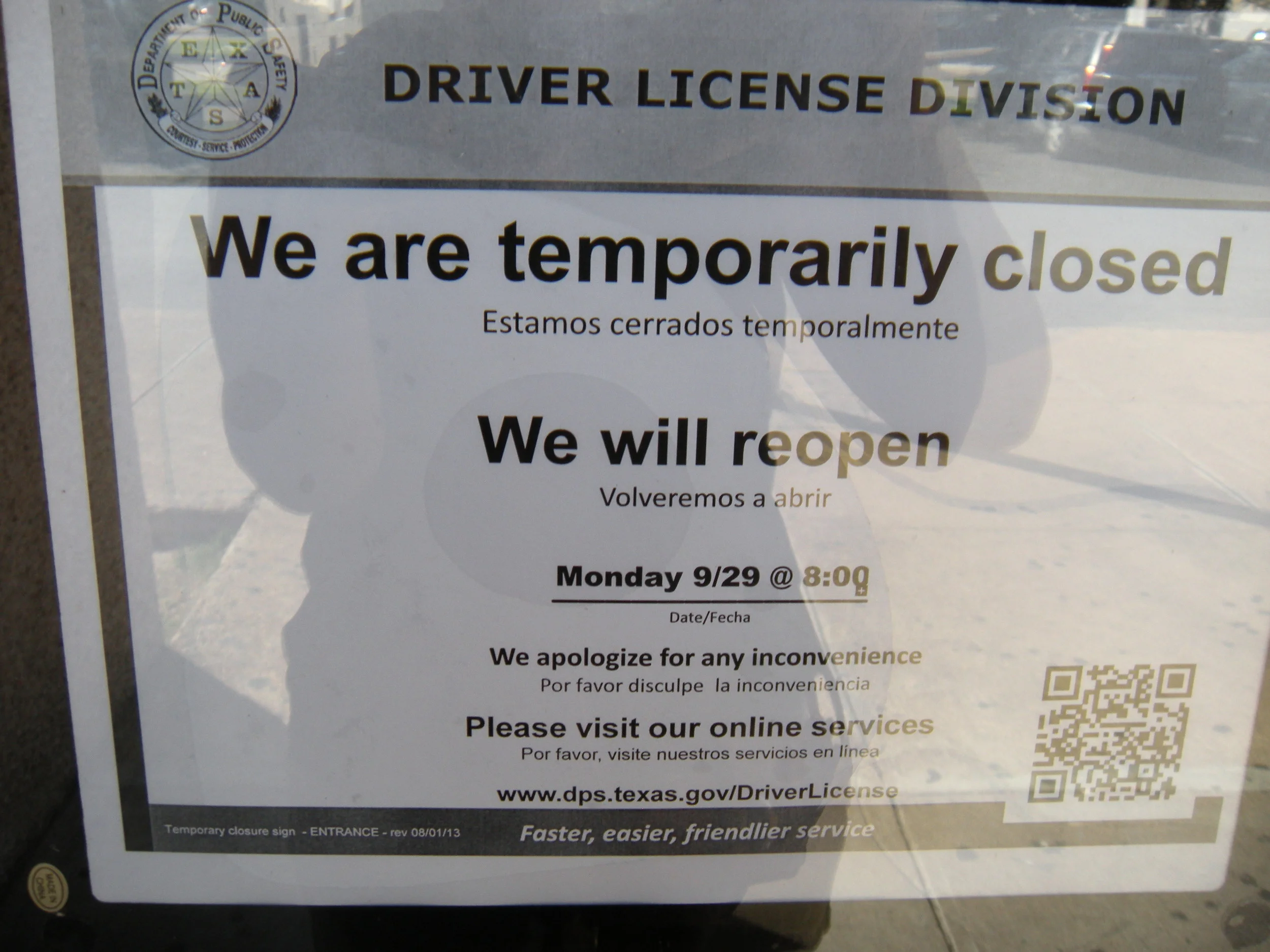
Skeptical, I step forth and read.  Yep.  Closed today, reopening next week.  If driver’s licenses are compulsory, shouldn’t there be someone to issue them?  Don’t the people of the DPS know they’re losing valuable customers? 

This is typical of the way things have been going lately. 

This morning the door fell off the washing machine.  Crash!  It’s ten years old, a discontinued model, no door available.  I’ll have to buy a new machine. 

The roof’s leaking. 

The thermostat in the shower isn’t regulating.   

Already I’ve had to have bodywork done on the car. 

And the refrigerator’s water dispenser makes an awful grinding sound and doesn’t release water.  The appliance repairman says it’s the plumbing and the plumber says it’s the refrigerator.  So I call the appliance guy back and he says he’ll order a part, which is expensive. 

We’re handing out money like it’s got no value. 

Also, when someone rings the doorbell next door, our doorbell rings. 

It seems that there’s not a thing around me that’s working properly.  Except my new MacBook Air, which is pretty sensational.

Oh, and my new washing machine, which is nice—a top-loader this time, so no falling-off door. 

Ne explanation needed.  

Ne explanation needed.  

Unacceptable.

Unacceptable.

Do you like the new washer?  

Do you like the new washer?  

One Way to Get Money

While in Singapore, I forgot about the homeless here in Houston, how they shuffle up and down the medians at every major intersection, hitting up the drivers in the turning lane.  What did life throw at them, that they’ve ended up in the blazing sun with their palms out?  (Also, it becomes heavy-coat cold during the winter months.)  Most are men, but there’re some women.  Most suffer from some form of mental illness, or possibly they’re addicts or alcoholics.  When I worked at a downtown soup kitchen four or five years ago, there was a trend among the street people to hold dead phones to their ears and pretend to talk and listen.  Who does that?  Abnormal people longing to be normal.    

I roll to a stop, turning from Fountain View on to Westheimer.  I’m six from the front.  The red-faced man peers up the line, assessing the newcomers.  His white hair is thin, shoulder-length, and scraggly.  Looks sixty, probably forty-five.  At first he doesn’t move, but slowly he takes one step, then another.  Plucking a five from the pocket in the console, I wonder if he’ll make it to my window before the light turns green. 

“You’re going to have to make more of an effort than that,” I say.  

He meanders between cars, crossing lanes and backtracking.  Nope, doesn’t make it.  The five goes back into its little hole. 

The man at Chimney Rock recognizes me.  His sign reads:  HOMELESS VET.  PLEASE HELP.  I gave him money yesterday.  I’m not in the turning lane, so he limps between cars, waving, a smile on his face.  Because I gave him five yesterday, today he gets only two.  I ought not to have to buy him lunch every day just because he’s set up his station on my regular route.

Other signs they carry:

NO MONEY.  NO HOME.  NO HOPE.

CANCER.  CAN’T WORK

NEED MONEY FOR FOOD

SICK DAUGHTER

The pleas are barely legible, ink on pieces of rough-edged cardboard. 

I come to a stop later, homebound now, at Westheimer and Chimney Rock.  The guy I gave money to earlier is still working the opposite side of the intersection.  Another guy’s on this side.  His sign says:

CAN’T GET WORK

This guy’s between thirty-five and forty.  He stops at my window.  He’s missing several teeth, has an uncontrollable eye, and looks like he hasn’t bathed in weeks.  In Houston these days there’s a job for every person who wants one, and this man’s sign implies a belief that he could hold one if he could just get it.  His hand shakes as he accepts the five through the crack in the window.

 “You’re an angel sent by God,” he tells me.  “Hey, you want some T-shirts?  I got, like, seven or eight shirts in that bag over there.”  He points toward the center island, where his few possessions make a pile. 

“What?  No, I’m thinking not.”

“Some guy just came and handed them to me, like I’m the Goodwill.  I don’t want his old shirts."

“People do crazy things.”   

I’m irritated at the guy who gave this homeless man old shirts.  Does he tell himself he’s being generous?  Unloading worn out stuff on someone who doesn’t want it or have a place to put it seems lazy and thoughtless.

The light turns green and I continue on my way, humming along with the song on the radio.  It’s not often that someone tells me I’ve been sent by God. 

This guy hid his face because he's "done stuff" and is "hiding from people."  If indeed he's "done stuff" I imagine people are hiding from him.  

This guy hid his face because he's "done stuff" and is "hiding from people."  If indeed he's "done stuff" I imagine people are hiding from him.  

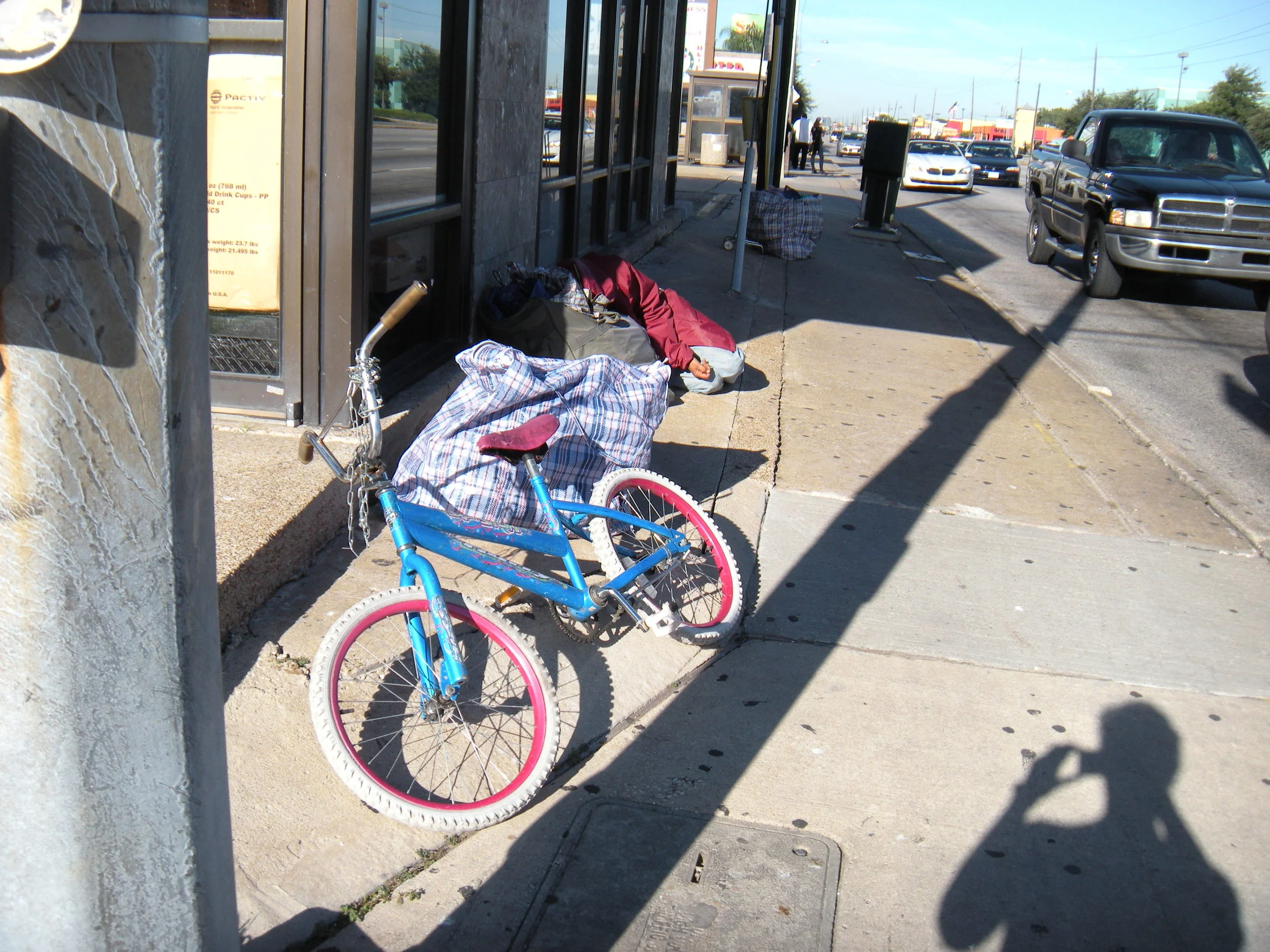
There's a person asleep in there.  This mound of possessions represents the belongings of all the people who are working the corner, not just the one who is sleeping.  Whose shadow is that?  

There's a person asleep in there.  This mound of possessions represents the belongings of all the people who are working the corner, not just the one who is sleeping.  Whose shadow is that?  

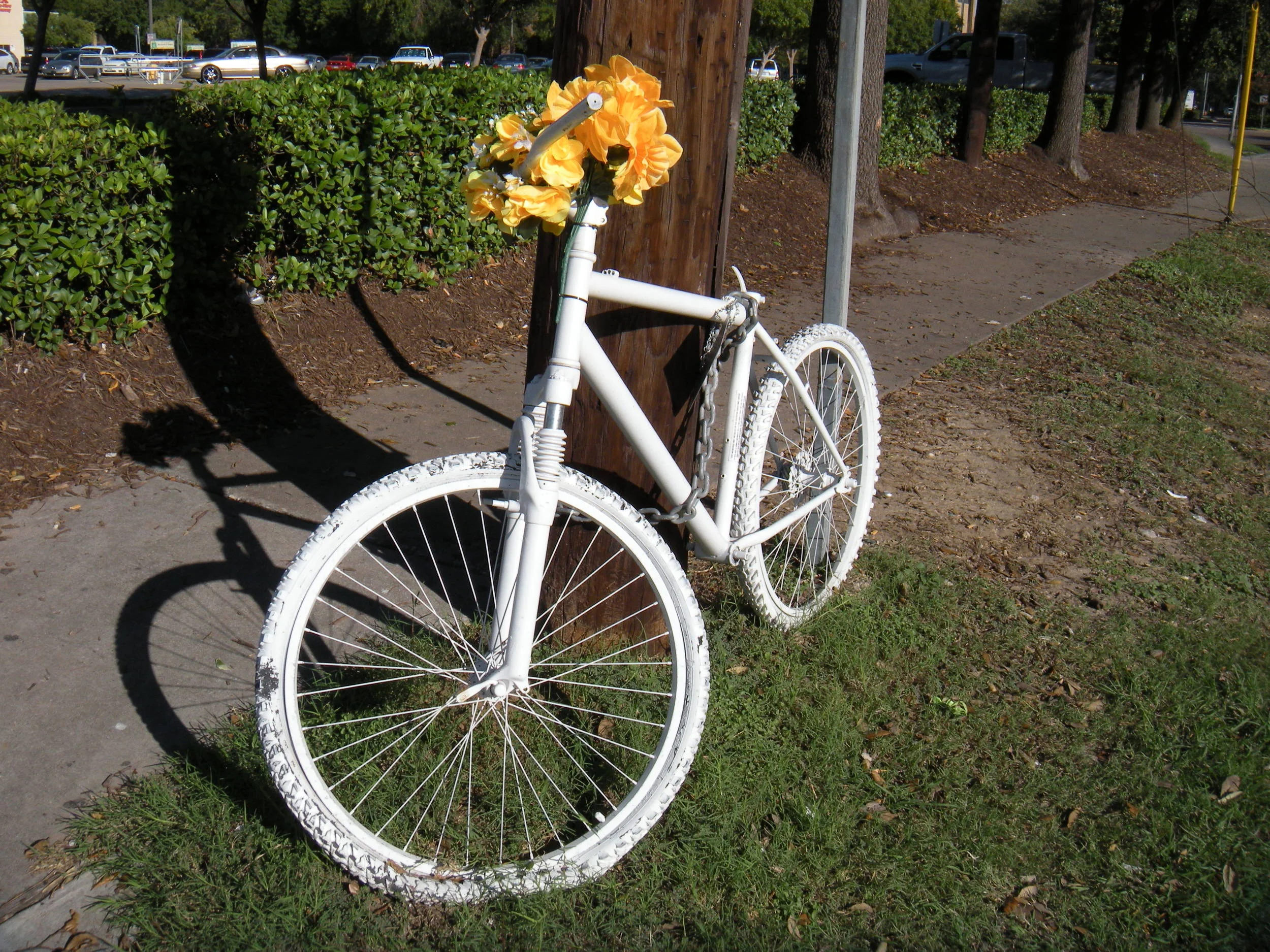
I've seen several of these white bicycles with flowers propped around town.  Does anybody know why?  

I've seen several of these white bicycles with flowers propped around town.  Does anybody know why?