Our First HOA Meeting

Today is the annual meeting of the Capstone Ranch Homeowners Association.  There will be barbecue.  We have no idea what to expect, haven’t a clue yet about the attitudes along the street, the petty disagreements (though I’m already embroiled in one), and the alliances.  David plans to bring up the absurd discrepancy in our water bill.  We are both resigned to the notion that we will never know why we were charged for twenty-four thousand gallons of water when we weren’t yet living here.  The month after we moved in we were billed for a modest eight thousand gallons. 

The meeting takes place in the pavilion that looks over Double Horn Creek, up County Road 401 and across the street.  Because of all the rain that’s been dumped into the area lately, the creek whips by rapidly and the grass is vivid green. 

This is our opportunity to meet our new neighbors.  Bryan, owner and representative of the development company, takes charge of the meeting.  A slow-talker—an “uh” between every phrase—he has handed out copies of the agenda.  There are only three items:  approval of last year’s minutes; voting for board members; and new topics for discussion. 

We move quickly through the first two items.  The conversation about current activities and improvements is what everyone wants to spend time on.  One concern is that responsibility for our fire safety has recently been transferred from the Spicewood's volunteer service to the Marble Falls Fire Department.  My fellow residents fear that this transfer is an indication that we’re going to be annexed by Marble Falls, and no one wants that, though it’s not clear to me why this would be a bad thing.    

An indignant man sitting at the adjacent picnic table complains that construction on the partially built house on the lot next to him hasn’t progressed in eighteen months. 

“This is against the HOA rules,” he says.  “Why do we have the rules if they’re not going to be enforced?”

“I’ll look into it,” Bryan tells him.

“That’s what you said last year when I told you that there’d been no work in six months.” 

“We sent him a letter.”

“Which he ignored.  If he ignores the rules then what’s to keep . . . ”

This breaking of the rules is something everybody seems to do on a regular basis.  The people living here before us had a storage shed hidden in the brush out back.  A man down the street conceals his boat behind his house, though boats and RV’s aren’t allowed on the properties.  Dogs run free, though there’s a requirement that they be penned.  Garbage containers are left on driveways, though they’re supposed to be out of sight.

Beside me, David introduces the water incongruity.

“It was that guy living out back of your house,” someone says.  Everybody looks at me and laughs.  I fold in half and duck under the table, appropriately embarrassed. 

This is never going to go away.  I confessed several weeks ago that there was no Herb, that my son had made him up.  I hated looking like a gullible idiot, but I could hardly enter into relationships with these people when I’d lied to them—and then they gave the lie back to me, warning me with long-faced concern that a mentally imbalanced man has been living in the shack behind my property. 

The formal portion of the meeting ends and we mill and load our plates.  Most of the people are friendly, but one woman is noticeably chilly towards me.  She turns her back when she sees me coming.  She leaves the table when I sit.  Her resentment is just one of those things that happens when the arrival of someone new shifts the dynamic.  Here’s what’s going on:  It was explained to me by the president of the HOA that dogs are not allowed to run free; they’re supposed to be penned or leashed.  I quickly realized this isn’t the case—dogs are running all over the place.  Trip’s not allowed to run free because, for one thing, he has no sense, and for the other, I have no control over him.  When I tell him not to do a thing, he does it anyway. 

The woman’s antipathy toward me is, in a way, understandable.  Her little dog is vicious and, because she’s breaking the rules by letting him out to roam, every time Trip and I walk by and her little monster starts snapping and yipping at us, she must race out to fetch him before he attacks Trip.  She’s a heavy woman and this racing is not easy.  The first time she was apologetic, but the next time she had to come running, she grabbed up her little beast, and huffed to the house without speaking a word.  And she hasn’t spoken to me since, as though I’m to blame for her dog’s behavior.  She’ll adjust. 

On a positive note, I enjoy seeing this small democracy in action.  My new neighbors are engaged on a local level in a way that's new to me.  So I look forward to participating in our egalitarian community where everyone seems friendly and finding sneaky ways around the rules appears to be the norm.  
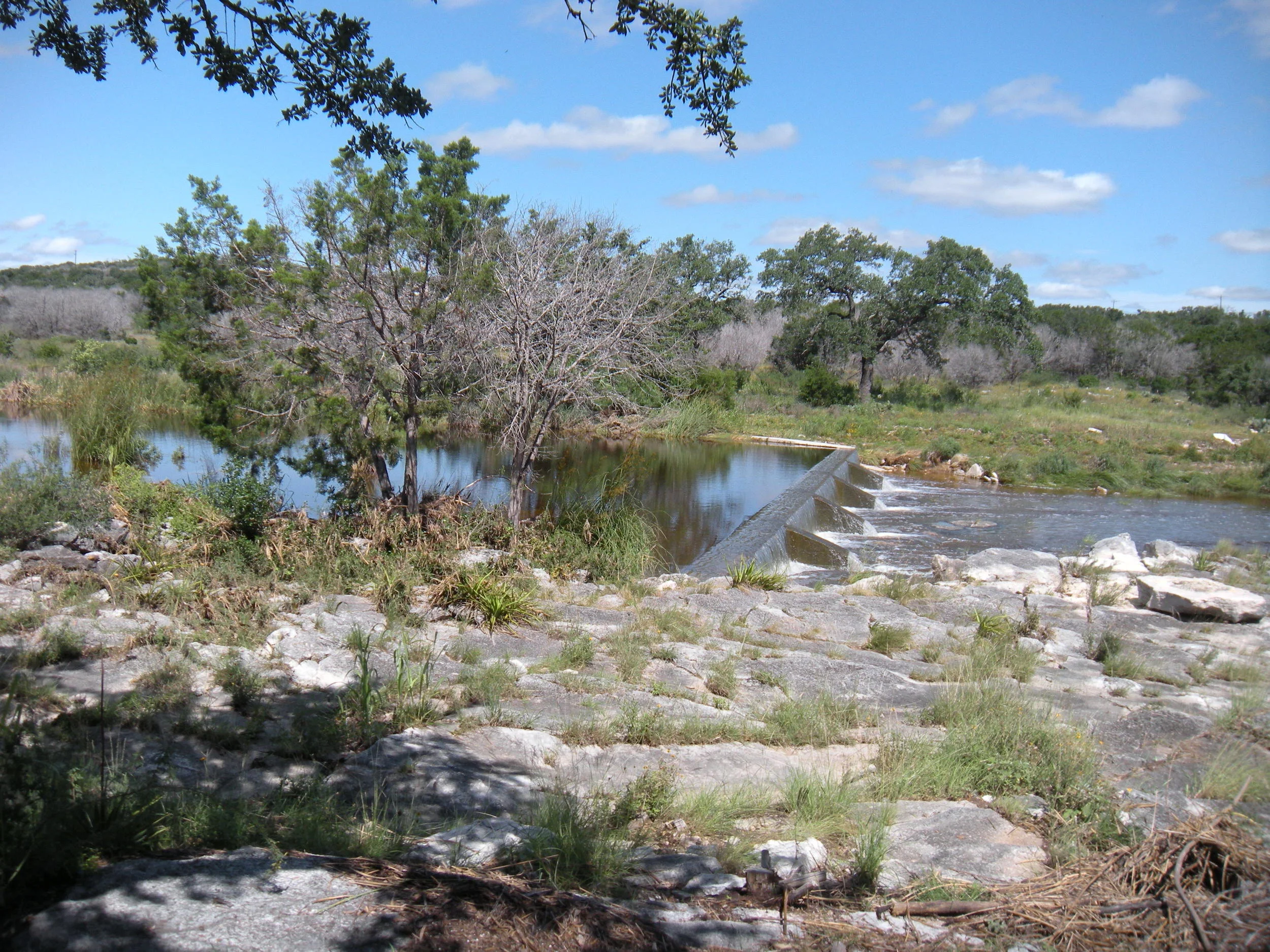
Double Horn Creek
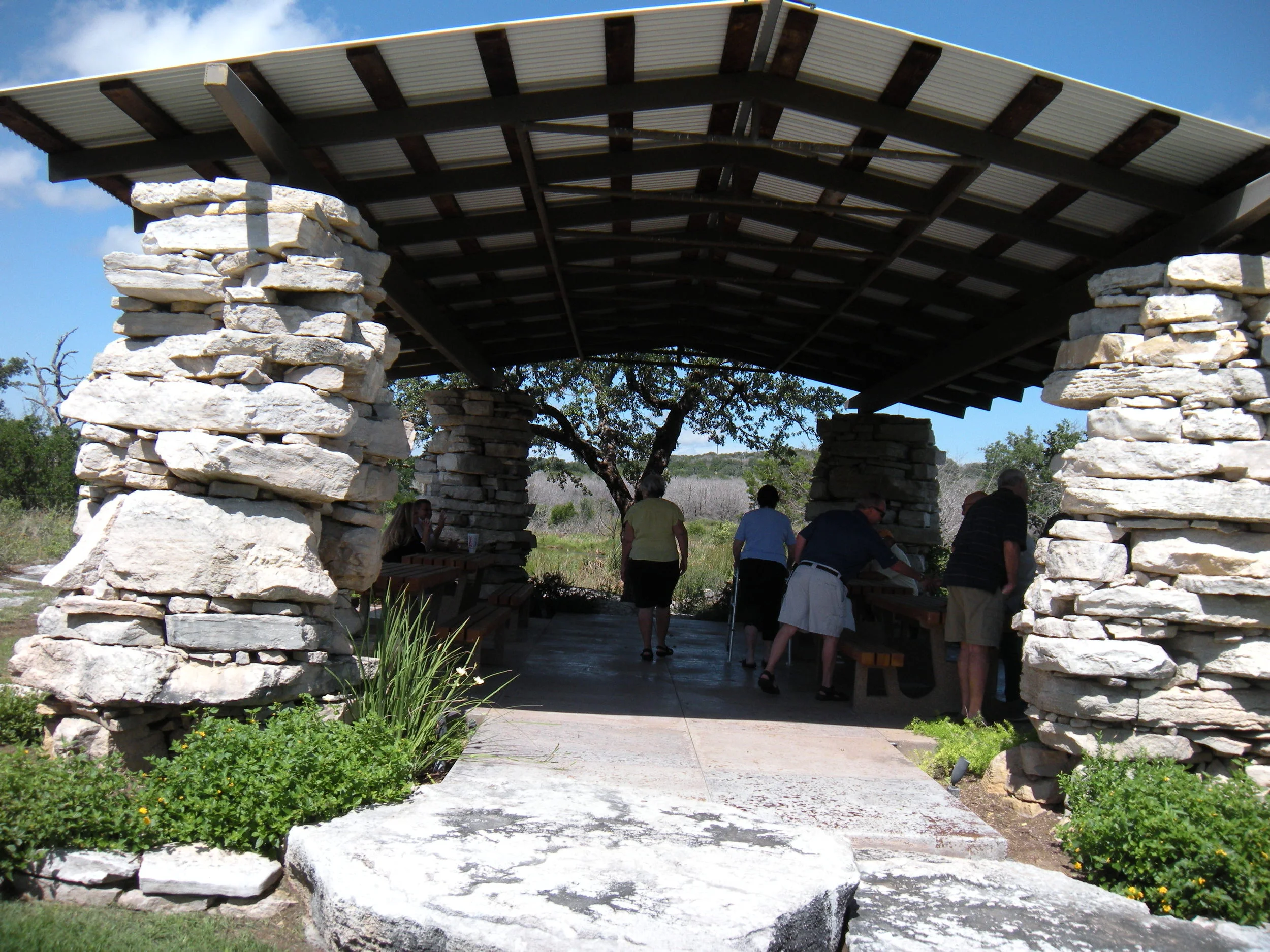
Double Horn Creek

The pavilion in our little park
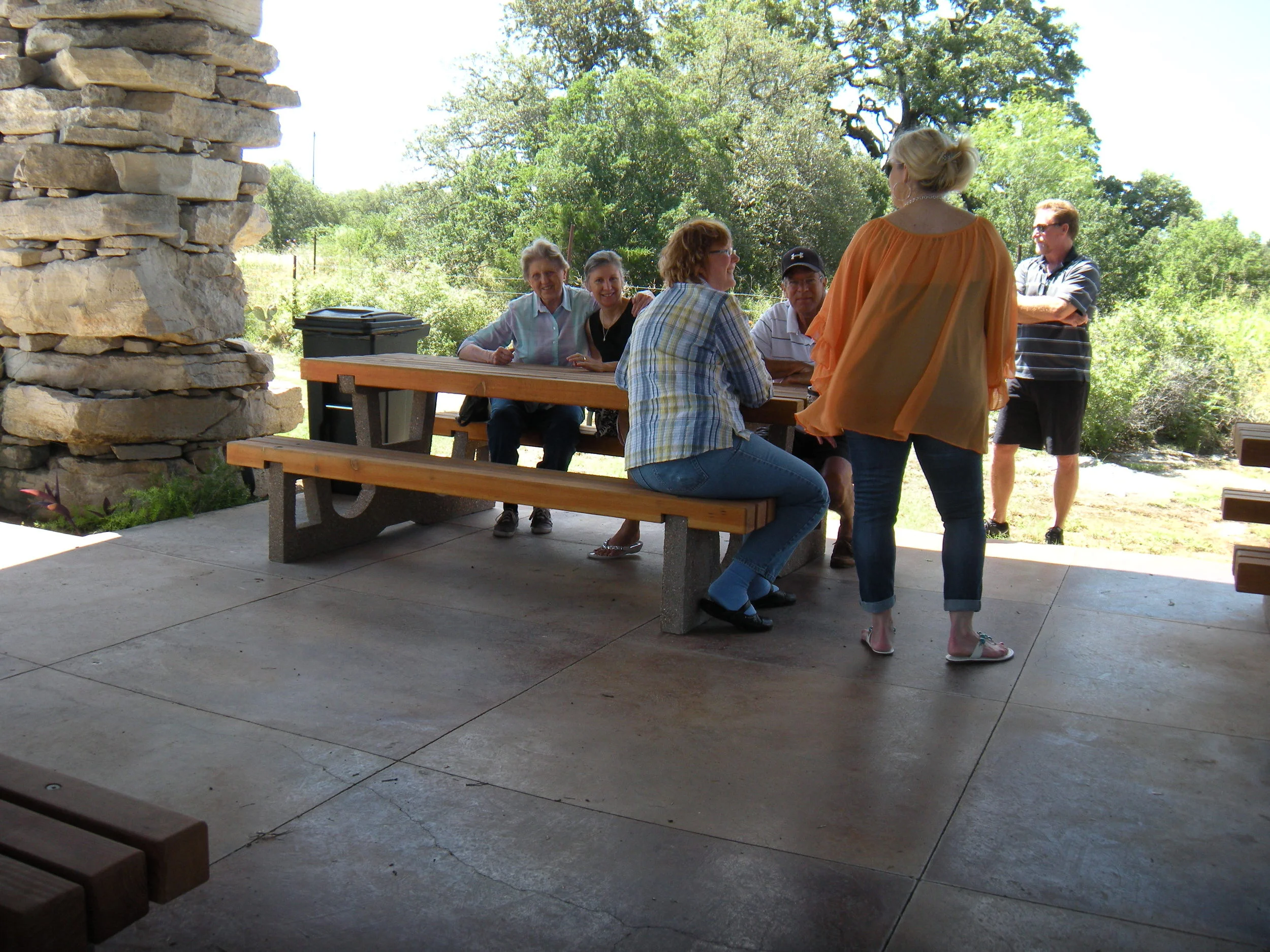
The pavilion in our little park

The woman in orange with her back to me is the one who's mad at me.  
The woman in orange with her back to me is the one who's mad at me.  
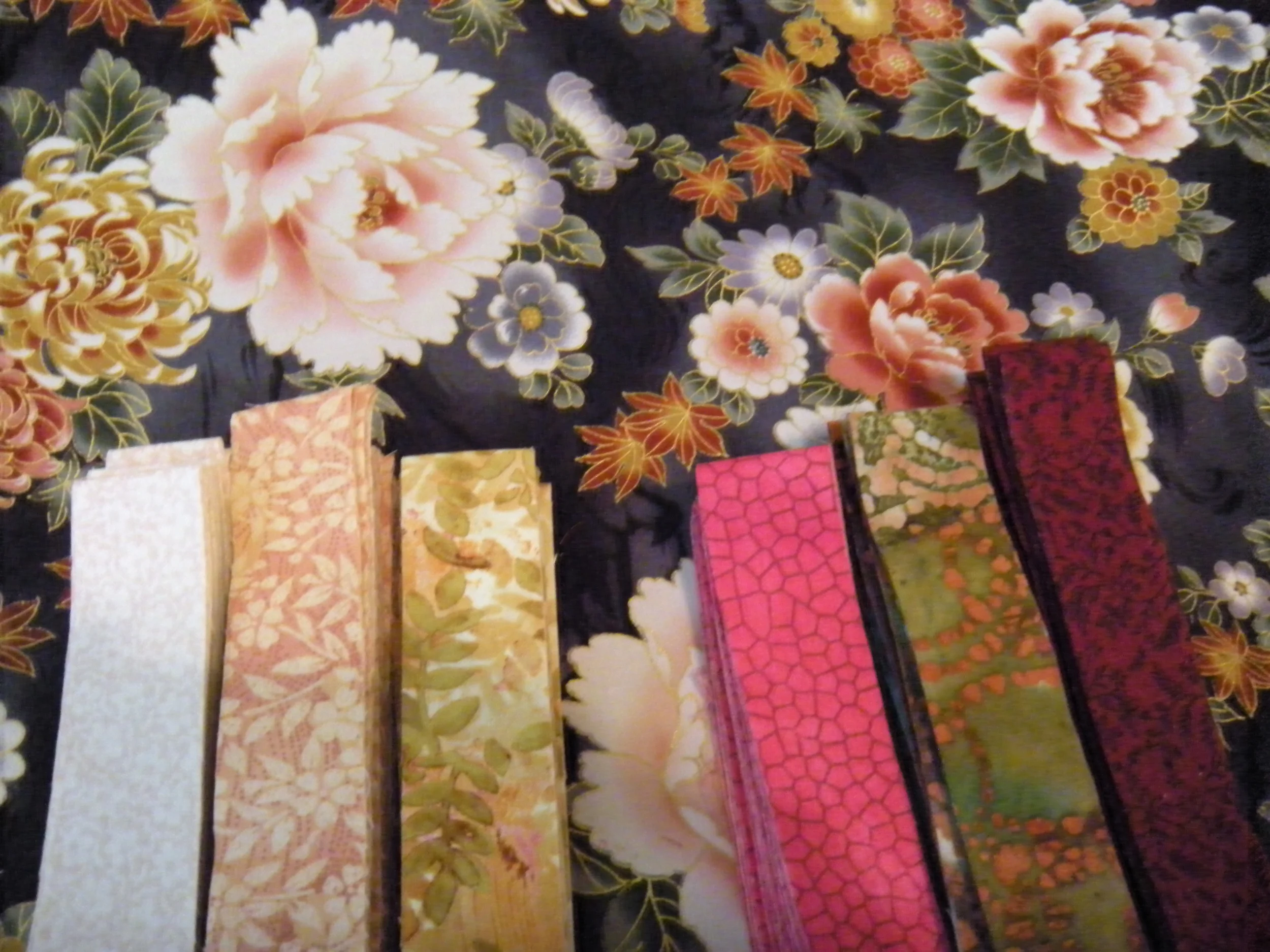

Quilt Start

David has gone out of town for a while and I quickly realize that I will be bored and lonely, stuck in a town I don’t know all that well, with no Mahjong group, no nearby lunch and shopping friends, only my little dog, and the hummingbirds, which are plentiful and ravenous. 

I need a project.  I’ll make a quilt.  I choose a pattern and assess the fabrics I already have in the hope that I’ll be able to make use of them.  I seem to have a lot of pink, rose, and burgundy, shades I can work with.

The quilt shop is forty minutes away, in Llano, and it closes at three.  The two carpenters who are replacing the attic door don’t leave until two (overcharged; won’t be calling them again), which means I’ll be arriving just as the store’s closing, when the clerks are harassed and tense, wanting me out the door so they can go home. 

I haven’t made the drive to Llano before and it’s lovely—green treetops, ups and downs, broad curves.  Very little traffic.  I arrive at the shop at two-forty and am met at the door by the owner.  I apologize for coming in just as they are preparing to close. 

“Oh no,” she says.  “Though the website says three, we’re here as long as we have customers.” 

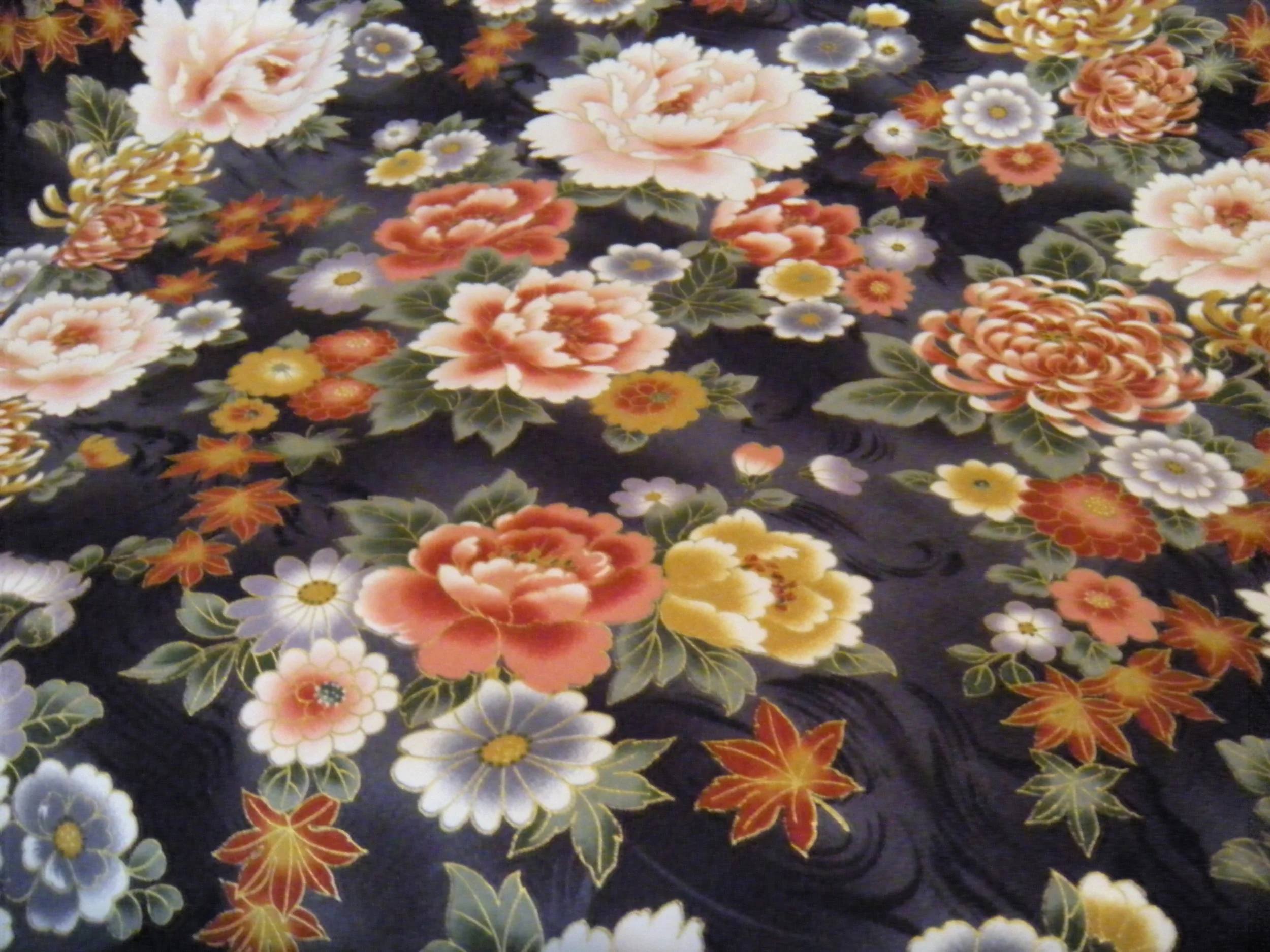
She follows me around, wanting to help.  But taste in fabric is subjective.  The selection is inspiring and I am like a chubby kid in a pastry shop.  I entered with a specific vision—a creamy gold and maroon floral, the color combo all the other shades will defer to.  But instead, burgeoning blossoms on a striking black-and-gray background catch my eye. 

I buy several yards of it, along with smaller amounts of accent colors.  I leave happy. 

But the next morning I realize I’m short a trim fabric, and I’m pretty sure I saw exactly what I need at Walmart earlier in the week.  I set out with a quick raid in mind.  It’s Sunday morning and nobody will be there.  Sure enough, the parking lot is practically empty. 

In the fabric department I easily find what I’m looking for—a mid-shade pink with a subtle cracked gray pattern.  I pull the bolt, carry it to the cutting table, and wait for a period too long to be deemed reasonable.  I walk around the three-row department.  No one seems to be working here.  Who will cut my fabric?  I could cut it myself, but that’s against every fabric-buying rule I know. 

I seek help from the woman behind the counter in the entertainment department.  She pages Iona to fabrics.  I return to the cutting table and wait and wait, but Iona never comes.  A middle-aged woman wearing a droopy Walmart shirt shuffles along in the main aisle.  I assume it’s Iona—but no, her nametag says Marilyn.  I ask her if she’ll cut and price my fabric. 

“This isn’t my department,” she says, approaching the table, wanting to help. 

“It’s easy,” I tell her.  I point out the wand, show her the bar code, tell her I want a yard and a quarter.  She sees another clerk walking by.

“Hey Wilma,” she calls.  “You know anything about this department?”

Wilma joins us, saying, “Let’s page Iona.”

“Someone already paged her,” I say, reaching for the scissors.  I spread and straighten my fabric, generously giving myself an extra four inches to make up for the crooked edge at the end, the result of previous sloppy cutting.

The two women gasp, horrified, when I cut.  If they don’t know how to cut, how can I, a person who doesn’t even work here, know how? 

I tell them how to scan and register the measurement.  But they can’t seem to grasp it.  I’d do it myself, but they’re withholding the equipment, hunching over it protectively, eyeing me with distrust.  Another woman walks past and they call her over.  This one’s named Maureen. 

“You should page Iona,” Maureen says.  "I don't know anything about this department."  By this time I’ve been hanging out in Fabrics for more than half an hour.

“We can’t figure how to register the quarter,” Wilma tells Maureen. 

I tell her to enter 1.25, which she does.  The black box hums and spits out a price tag.  On the way out of the store, I pick up Fritos and bean dip.  Then I grab some cherry tomatoes to counteract the junk food.  When I get home, it’s to find that I’ve received an email from a woman who plays Mahjong in Marble Falls, telling me when and where the group plays, and inviting me to join them.  Yay! 

Lovely, right?  

Lovely, right?  

Here it is with the trims.  The fourth from the left is the Walmart trim.  

Here it is with the trims.  The fourth from the left is the Walmart trim.  

And just for fun, here's David on his new lawnmower.

And just for fun, here's David on his new lawnmower.

Armadillo Leprosy

Around seven in the morning Trip and I go out for our walk.  This is the first time in his life of ten years that he’s allowed to wander without a leash, and he’s not sure what to do with his freedom.  Confused and fearful, he usually just sits at the bottom of the porch, gazing at the big world, until I lose patience, pick him up, and carry him a distance, at which point I put him down and he makes his way back home. 

As I stroll up the driveway, dog in arms, I notice that some small animal has uprooted a patch of grass out toward the street.  I suspect armadillos.  An expedition to our new favorite store, Tractor Supply, is in order.  But first David and I must go be the new people at church. 

Being unfamiliar with the routine at the First United Methodist Church of Marble Falls, we inadvertently attend the modern service.  The first song is ten minutes long, the same two verses and chorus over and over again, with the congregation standing the whole time.  No one is singing—how can we, when there are no notes, just words on a screen?  How can we possibly know where the melody is going?  It bothers me that the people who choose this service are never exposed to the great hymns of the faith.  They don’t sing the Doxology.  I guess you don’t miss what you never know—but to never sing A Mighty Fortress is Our God or It is Well With my Soul again?  A disheartening concept.  However, the people greet us with smiles and several introduce themselves.  We’ve come at a tumultuous time—the minister has just been diagnosed with breast cancer and everyone is saddened. 

After the service I ask the woman in front of me what she would do to get rid of an armadillo. 

“Put out a trap,” she tells me.  “They’re so dumb they just wander in.”

After church we go to Tractor Supply, which carries every necessity for rural living.  David approaches a sixteen-year-old boy in a red vest.

“We’ve got an armadillo tearing up our grass,” David tells him.  “How do we get rid of it?”

“Shoot it,” the kid says.  As we don’t own a gun, this is not an option.  Amused by our citified squeamishness, the kid gets his swagger on, adding, “Sure, they’re fun to shoot.  They explode.”

He leads us to the small animal traps, which are basically wire cages that cost sixty bucks.  Having just moved way too many possessions into the house, we’re reluctant to purchase one more item that’ll have to be stored in the garage. 

“You don’t really need a trap,” he tells us.  “They’re slow and easy to catch.  They give you leprosy, though, so you’ve got to be careful about that.”

Leprosy?  What?  This can’t be true.  This kid’s just trying to make fools out of the new people in town.  Having recently been taken in by Curtis’s joke, I will not be proven gullible again. 

“Ha,” I say.  “Tell me another one.” 

We thank him and turn away from the traps.  There has to be a better way.  As we go back through the store, we come across the gardening section where we decide to purchase a packet of wild flower seeds for the corner of the backyard that, for right now, is mostly weeds.  Just like the kid who showed us the traps, the girl at the checkout counter is about sixteen.  She’s pretty with clear skin, shiny copper hair, and straight white teeth. 

“What would you do to get rid of an armadillo?” I ask her.

“Shoot it,” she says.  Seeing our reluctance, she adds, “Of course, if you want to be humane about it, you can use repellent.”  She points a couple of aisles to the right and we head that way, where we select a formula composed of dried blood, putrescent whole egg solids, and garlic oil.  In addition to armadillos, it repels rabbits and squirrels, mice and chipmunks, raccoons and skunks.   And yes, putrescent means exactly what it looks like it means.  I looked it up. 

When we get home, I rush to my MacBook and type in a search for armadillos.  Several articles about armadillos and leprosy pop up.  The kid was telling the truth.  Armadillos possess the bacterium that causes Hansen’s disease.  It’s not like I longed to have a close relationship with the creepy little beasts. 

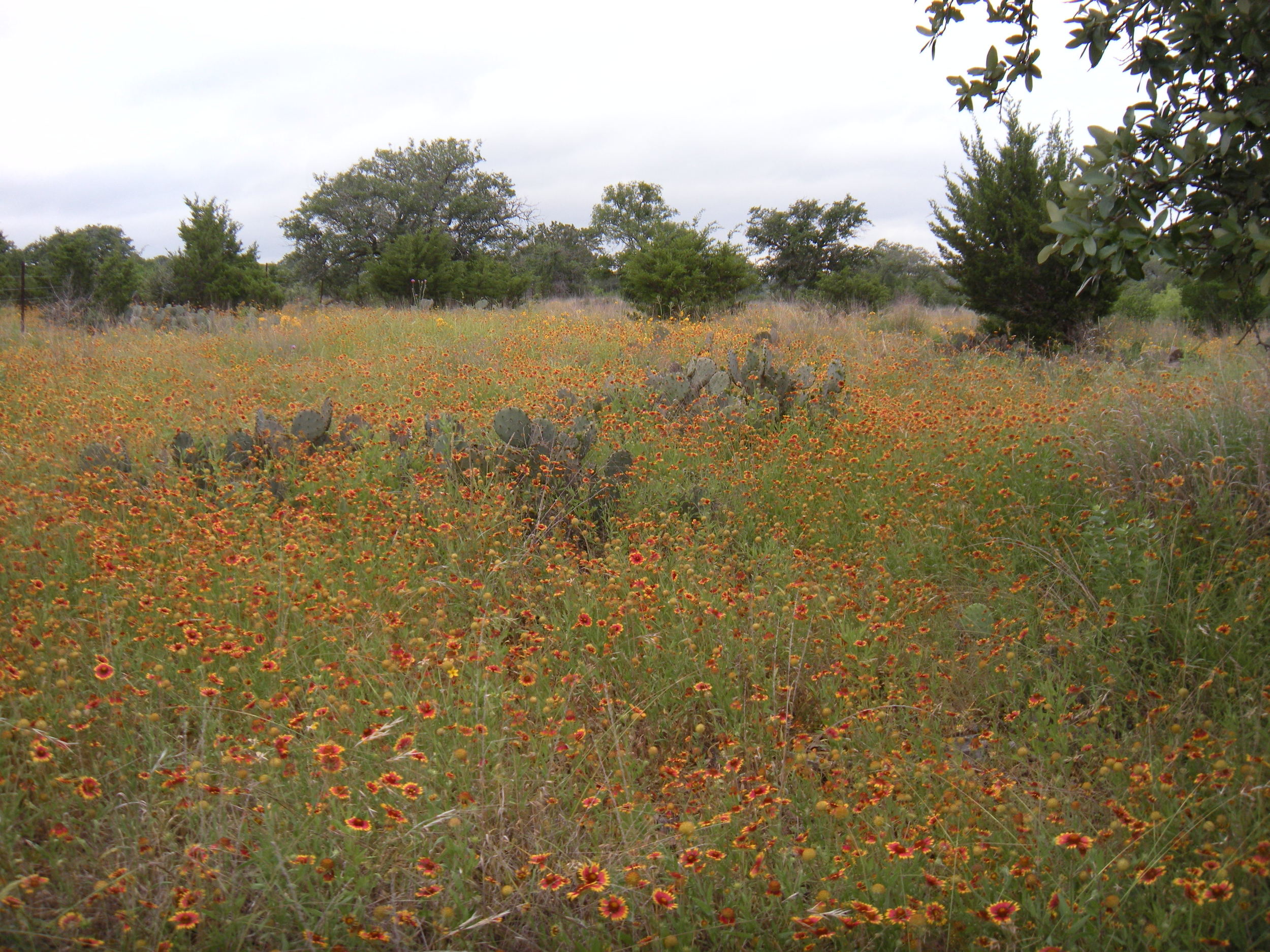
This field of wildflowers is right across the street from our house.  This part of Texas is beautiful this time of year.  

This field of wildflowers is right across the street from our house.  This part of Texas is beautiful this time of year.  

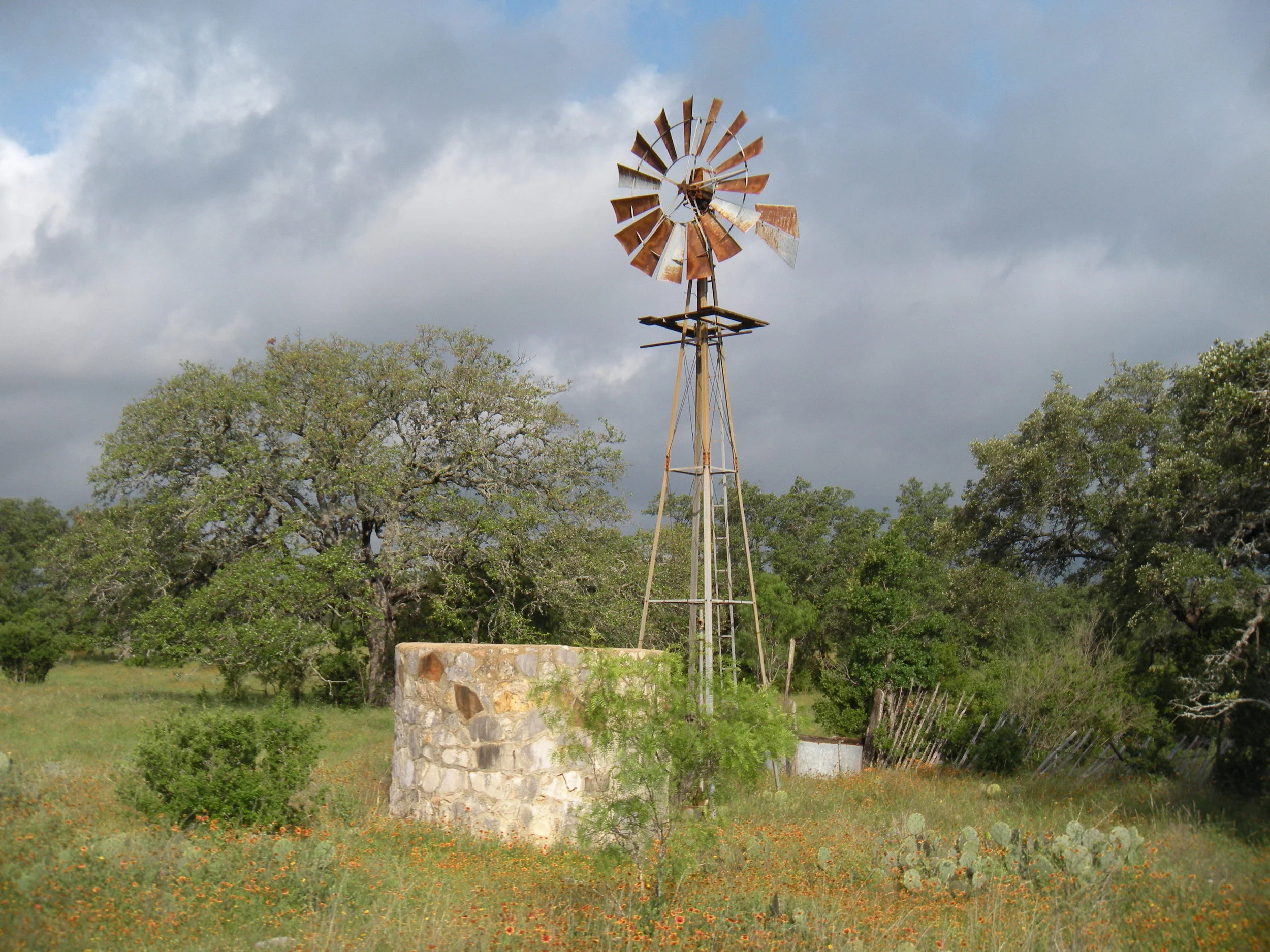
Another lovely scene right outside our gate.  

Another lovely scene right outside our gate.  

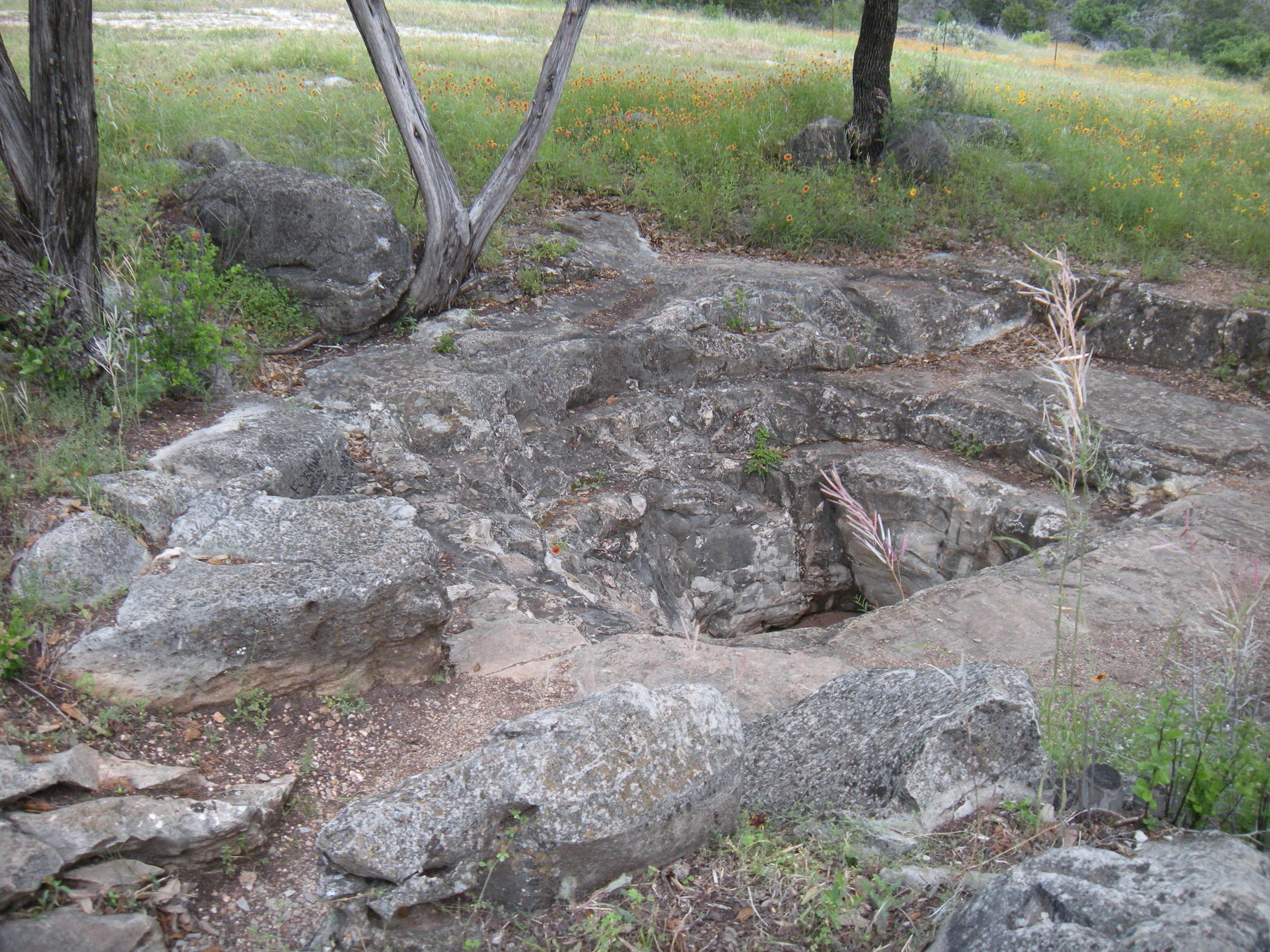
A local historic landmark, Deadman's Hole is about a quarter mile up County Road 401.  

A local historic landmark, Deadman's Hole is about a quarter mile up County Road 401.  

The reason why it's called Deadman's Hole is because it was an expedient place to get rid of bodies.  

The reason why it's called Deadman's Hole is because it was an expedient place to get rid of bodies.  

Curtis's Herb

David and I were not happy to discover the shack last time we were in Marble Falls.  Located just beyond our property line, on the backside of the estate’s water tank, it’s a splintering shed, twenty by twenty-two.  The roof has collapsed on one corner.  It’s stuffed with broken bed frames, discarded chests, and soiled mattresses; a cracked mirror hangs on the wall.  Bad mojo, indeed.   A fire hazard.  A skunk-and-snake bar. 

Curtis and Anna, going to the Texas hill country for a wedding, (Best wishes, Christine!) want to stay at our house in Marble Falls while they’re in the area.  We give them the gate and garage controls, and David tells them to check out the junky hovel out back.  He tells them it’s haunted. 

Here’s an excerpt from the email Curtis sends us from Marble Falls:  I met the guy who lives in the shed out back.  His name is Herb.  He seems passive enough.  He says it’s his job to look after the cacti.  

Oh no!  David and I are appalled.  Someone is living back there?  In that leaning rotten structure?  That’s not good.  I email the manager of the estate:  Bryan, our son tells us that someone is living in the derelict shack adjacent to the water tank, which we find disconcerting.  What can be done about this?  Thanks, Jenny Waldo

To which Bryan immediately responds:

Jenny, thanks for the heads-up.  I have called the sheriff and he’s sending someone out there today.  I’ll keep you posted.  Bryan

So I turn my mind to other issues, but I also keep worrying.  Somebody’s living back there?  Some passive man named Herb?  Maybe he’s using our water, which would explain why we’re being charged for so much (twenty-four thousand gallons last month) when we’ve not even moved in yet.  Also—and this creeps me out—I’ve been there by myself.  I’ve walked around out there alone, slept in the house alone.  Was passive Herb watching as I installed shelf paper?  Was he listening as I sang the Special Treat song to my dog? 

Bryan sends me another email:  Jenny, the water-maintenance people and the sheriff have both been out there and their reports indicate that, as far as they can see, no one is staying in the shack.  Bryan 

To which I respond:  Bryan, just because it looks like no one’s living there doesn’t mean that no one’s living there.  My son would not make this up.  The man’s name is Herb.  Thanks for taking action on this.  Jenny

At which point Bryan writes: Jenny, though there is no sign of habitation, the shack is being demolished and its contents hauled off.  Bryan

I don't get back to Bryan.  Somewhere between the time I wrote, "My son would not make this up," and Bryan's reply, I remembered the essence of the child I gave birth to, the kid who had no patience with untruth; this was a boy who didn't comprehend the concept of duplicity until he was nine years old.  Curtis believes that fabrication is the most foolish of mankind's creations; and in continuation of that thought, he disdains a blurry line between fact and fiction.  A thing is either true or it isn't.  He doesn't appreciate the way, in my writing, I play in the nebulous expanse between imagination and veracity:  a homeless man who disappears and reappears; an abused grandmother who takes up residence in her neighbor's closet, undetected for years; a depraved ghost who spies on her ex-lovers.  He was disappointed in me when he learned that my blog post about me giving my neighbor's dog to a stranger wasn't true.  So he decided to show me that he, too, can weave fiction into reality.  "My son would not make this up," I claimed, when that's exactly what he did.  I will never admit this to my new neighbors.  They will be confounded for years that once a man lived so near them and they never knew.  But on the upside, now, because of Curtis's venture into the world where actuality meets imagination, and also because of my gullibility, the offensive shack is gone.  So that's good.  

Curtis, who never tells stories, expect when he does.  Sorry, no picture of the shed.    

Curtis, who never tells stories, expect when he does.  Sorry, no picture of the shed.